


Key Takeaways
Flutter enables faster, cost-efficient app development with a single codebase while delivering near-native performance across platforms.
The framework supports diverse use cases from MVPs to enterprise-grade apps, making it suitable for long-term, scalable mobile products.
The top Flutter apps featured in this blog, including Google Ads, Alibaba, BMW, eBay Motors, and Reflectly, showcase Flutter’s real-world performance and versatility.
Successful Flutter projects rely on clear planning, realistic budgets, secure architecture, and experienced development teams.
With strong technical depth and a business-focused approach, JPLoft helps brands transform Flutter concepts into reliable, future-ready digital solutions.
Flutter has quickly become a go-to framework for building high-performance mobile apps across platforms. If you’re asking, is Flutter good for app development? The answer lies in how widely it’s being adopted by startups and global brands alike.
Today, many of the top Flutter apps serve millions of users with smooth performance and consistent design.
So, is Flutter used for app development at a business scale? Yes, and that’s exactly why it matters to entrepreneurs and companies planning to launch or modernize a mobile product.
Choosing Flutter can mean faster time-to-market, lower development costs, and easier scalability without compromising quality.
This blog explores the top apps using Flutter, breaks down what makes them successful, and helps you understand whether Flutter is the right foundation for your next app idea.
Benefits of Flutter App Development
Choosing the right framework directly impacts speed, cost, and scalability. For many businesses, the real question is is Flutter good for app development when measured against long-term outcomes, not just developer convenience. Flutter answers this by combining efficiency with production-grade performance.
1. Faster Development with a Unified Codebase
Flutter’s single codebase allows teams to build apps for multiple platforms without duplicating effort. This reduces reliance on fragmented mobile app development services and helps businesses launch faster, validate ideas earlier, and iterate based on real user feedback.
2. Cost-Efficient Without Sacrificing Quality
From a business standpoint, is Flutter good for mobile app development often comes down to ROI. Flutter minimizes engineering hours while maintaining near-native performance. This makes custom Flutter app development ideal for both MVPs and scalable products without inflating budgets.
3. Competitive Performance and UI Consistency
Among the top programming frameworks for app development, Flutter stands out with its own rendering engine. By controlling UI at the framework level, Flutter delivers consistent design, smooth animations, and predictable performance across platforms.
4. Versatility Across Real-World Use Cases
Flutter supports a wide range of Flutter app use cases, from fintech and eCommerce to SaaS dashboards and on-demand platforms. Its flexibility reassures businesses that Flutter can support both simple apps and complex, data-driven systems.
Kinds of Apps That Can Be Built with Flutter
Flutter’s flexibility allows businesses to turn a wide range of digital ideas into scalable, high-performing products. For teams evaluating is Flutter good for mobile app development, the variety of real-world applications built on Flutter clearly demonstrates its versatility across industries and business models.
1] Consumer-Facing and On-Demand Apps
Flutter is widely used to build consumer-facing apps such as eCommerce platforms, food delivery services, ride-hailing apps, and lifestyle solutions. These apps demand fast performance, smooth animations, and consistent UI across devices, all areas where Flutter excels.
Many apps built with Flutter successfully support real-time updates, secure payments, and location-based services, making them suitable for modern, user-centric digital experiences. For entrepreneurs exploring the best mobile app ideas, Flutter offers the speed and flexibility needed to validate concepts quickly without sacrificing quality.
2] Startup MVPs and Innovation-Driven Products
For startups, launching an MVP efficiently is often more important than building a feature-heavy product from day one. Flutter enables teams to create functional, visually appealing MVPs using a single codebase, reducing both development time and costs.
Numerous Flutter app examples highlight how early-stage companies have used Flutter to test ideas, gather user feedback, and iterate rapidly. Following a structured Flutter app development guide helps ensure that even MVPs are built with scalability and future enhancements in mind.
3] Enterprise and Internal Business Applications
Flutter isn’t limited to consumer apps; it’s equally effective for enterprise-grade solutions. Businesses use Flutter to build internal dashboards, CRM tools, employee management systems, and analytics platforms.
With strong support for APIs and data-driven interfaces, Flutter Android app development enables enterprises to deploy secure and reliable applications across diverse device ecosystems. This approach helps organizations streamline operations while maintaining consistent user experiences across teams and platforms.
4] Content, Media, and Community Platforms
Apps focused on content delivery, such as news platforms, streaming services, learning apps, and community forums, benefit from Flutter’s rich UI capabilities. Flutter allows developers to create engaging layouts, smooth transitions, and responsive designs that enhance content consumption.
Many popular Flutter app examples in this category rely on real-time updates and interactive elements, showcasing Flutter’s ability to handle dynamic user interactions at scale.
5] Utility, Productivity, and Service-Based Apps
Flutter is also well-suited for utility and productivity apps, including task managers, booking systems, fitness trackers, and financial tools. These Flutter app use cases often require seamless navigation, offline support, and integration with device features.
With strong tooling and native-like performance, Flutter Android app development makes it easier for businesses to deliver practical, reliable solutions that users can depend on daily. Clearly defining essential mobile app features during planning ensures these apps remain intuitive while meeting specific business goals.
Top 20 Apps Built with Flutter
These real-world products show how Flutter performs beyond theory. Each example highlights why many businesses trust Flutter for scalable, high-performance mobile applications.
1. Google Ads
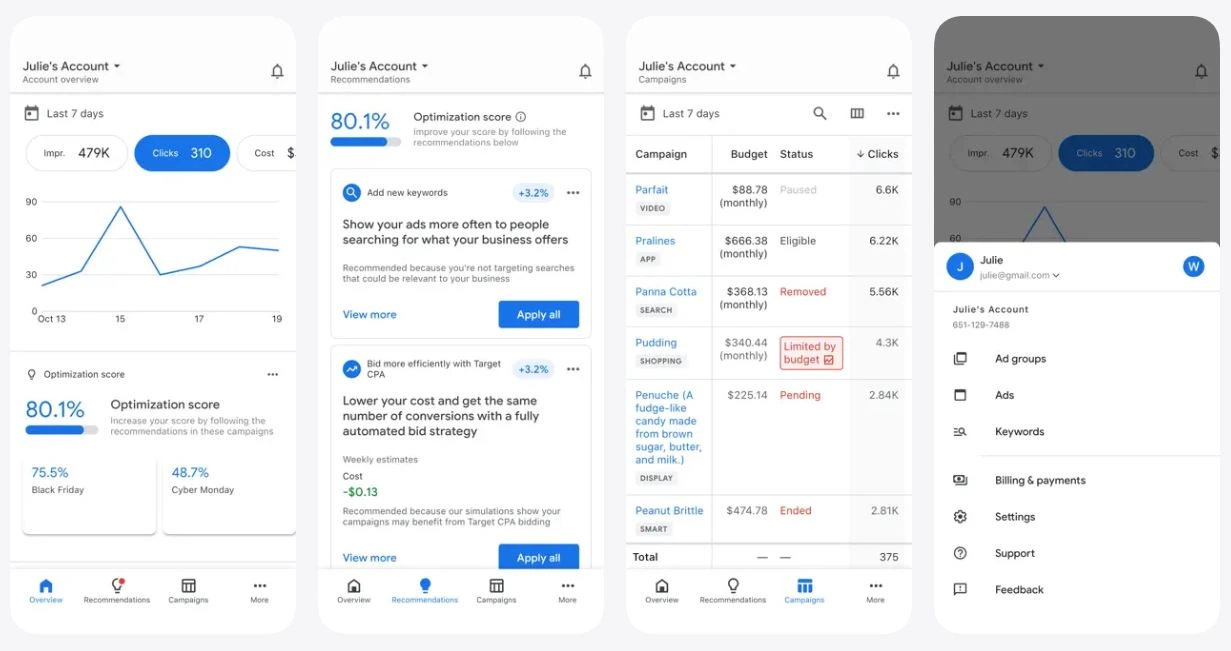
Google Ads is one of the most widely recognized apps developed using Flutter, enabling advertisers to manage campaigns, track performance, and adjust budgets directly from their mobile devices.
The app handles complex data sets, real-time updates, and interactive charts without compromising responsiveness. Flutter helps Google maintain a consistent interface across platforms while accelerating feature rollouts.
For businesses, this example proves Flutter can power enterprise-grade applications where reliability, speed, and usability are critical, even when dealing with data-heavy dashboards and continuous user interactions.
2. Alibaba (Xianyu App)
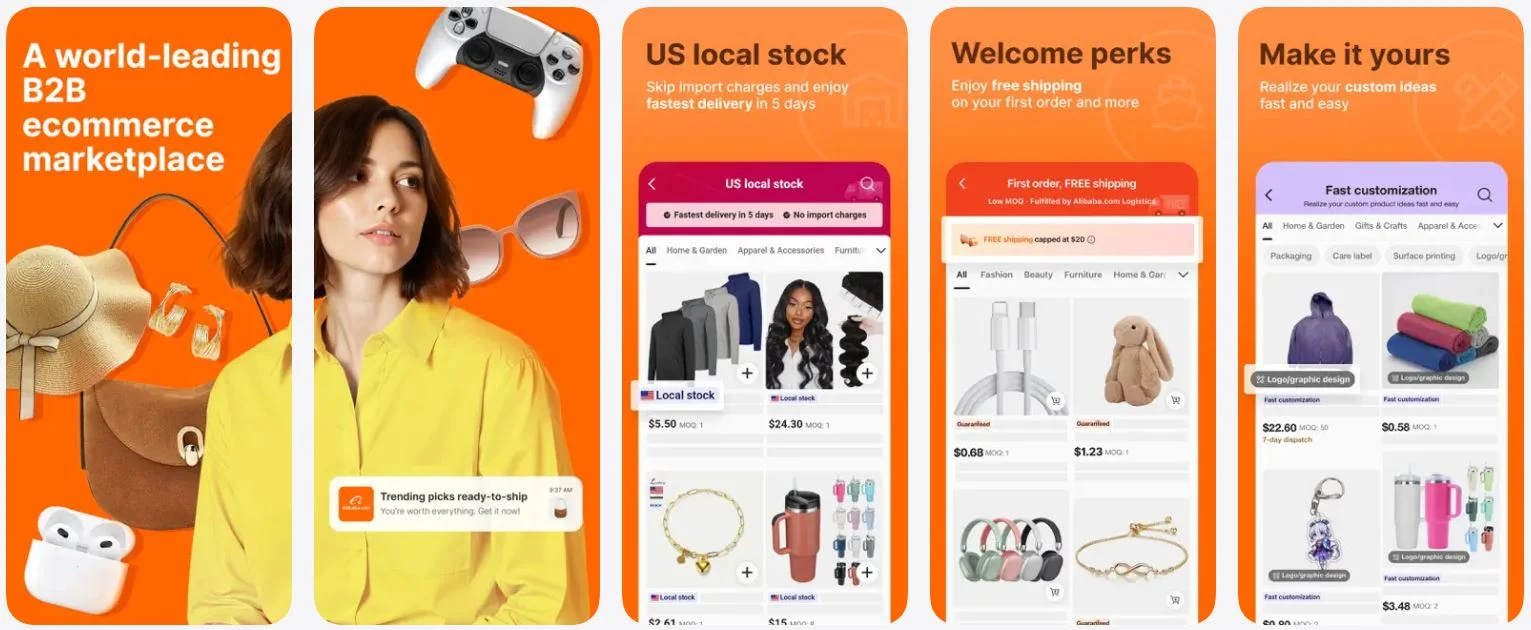
Alibaba’s Xianyu marketplace app is frequently referenced among popular apps built with Flutter due to its massive daily user base and high transaction volume. The platform supports real-time listings, messaging, and personalized recommendations, all of which demand smooth performance at scale.
Flutter enables faster UI updates and a consistent user experience across devices, helping Alibaba reduce development complexity.
For entrepreneurs, Xianyu demonstrates how Flutter can handle large-scale consumer apps that require rapid iteration and seamless performance under heavy traffic.
3. BMW Owner App

The BMW Owner App showcases how premium brands use Flutter to deliver refined digital experiences. Often listed among the top apps using Flutter, the app allows car owners to monitor vehicle status, plan services, and access connected features remotely.
Flutter supports rich animations and polished UI elements that align with BMW’s brand standards.
More importantly, it enables faster development cycles and cross-platform consistency, key advantages for companies building high-quality companion apps tied to physical products.
4. eBay Motors
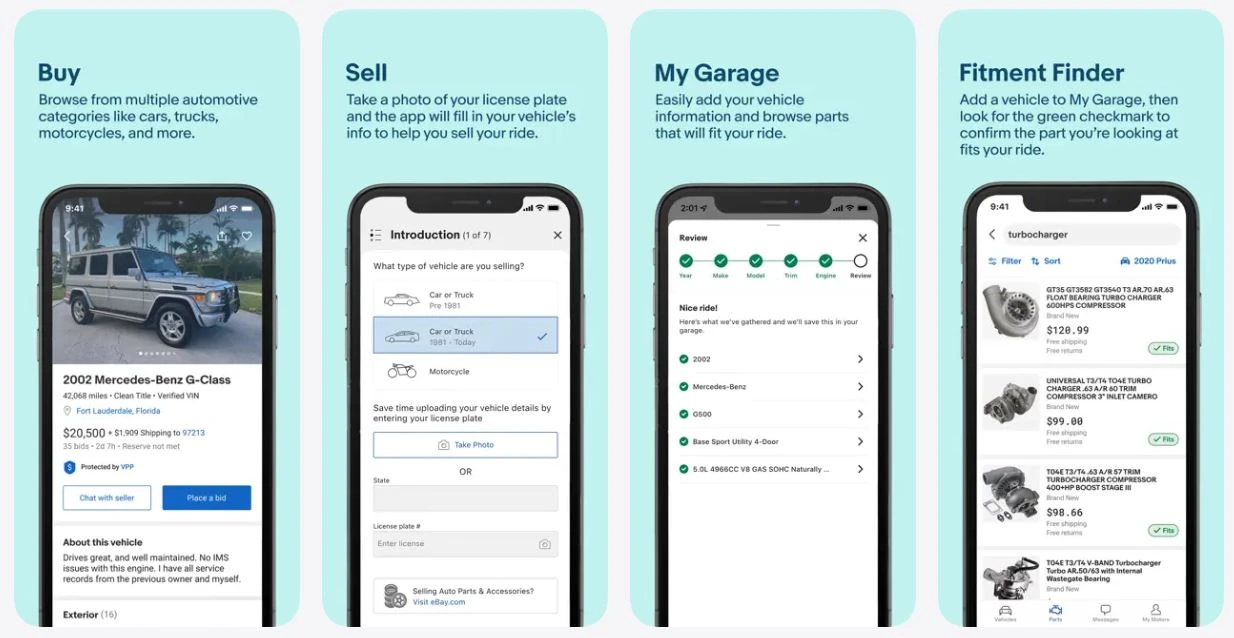
eBay Motors uses Flutter to provide a smooth experience for browsing, buying, and selling vehicles and auto parts. Recognized as one of the top apps developed using Flutter, the app manages complex workflows such as advanced search filters, product listings, and user interactions.
Flutter’s architecture allows the platform to roll out improvements quickly while maintaining performance across devices.
This example highlights Flutter’s ability to support feature-rich marketplaces without increasing development or maintenance overhead.
5. Nubank
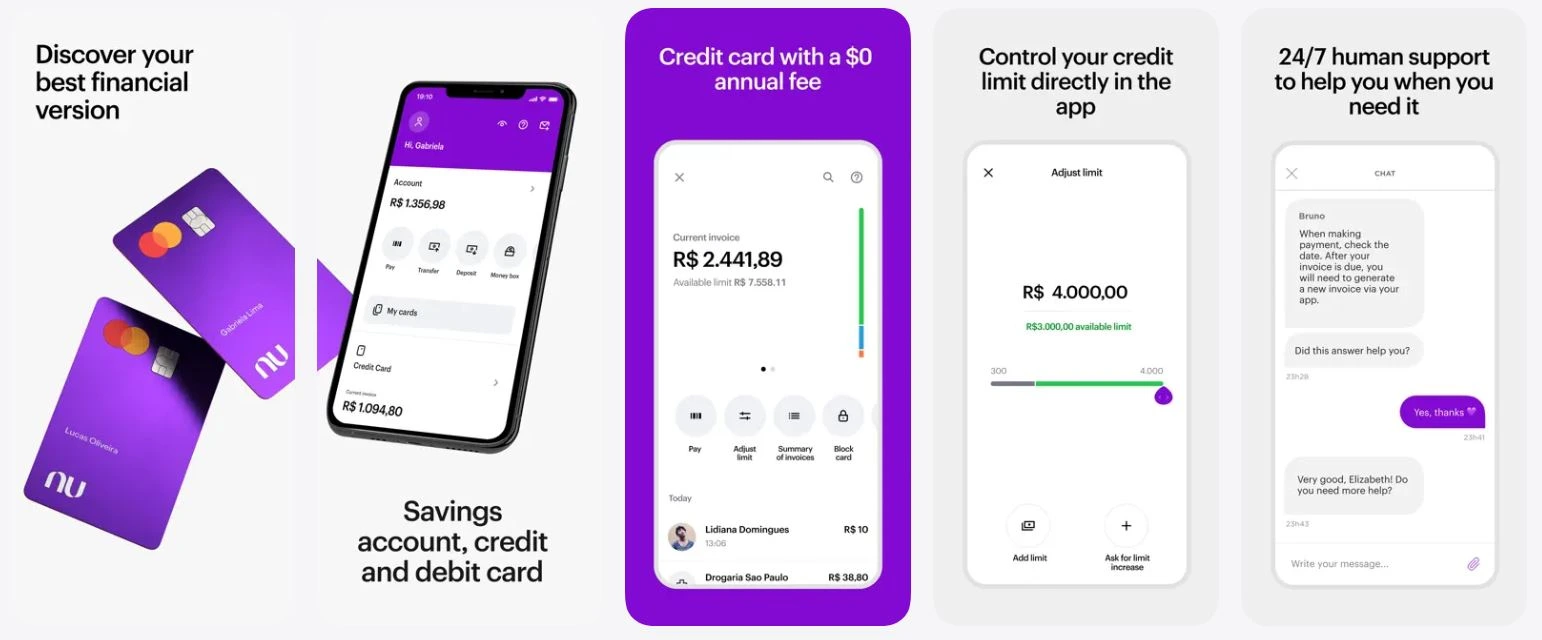
Nubank, one of the world’s leading digital banks, relies on Flutter to deliver fast and intuitive financial services. Frequently cited in Flutter app examples, Nubank’s app supports account management, payments, and real-time notifications for millions of users.
Flutter integrates well within a modern mobile app tech stack, allowing Nubank to scale efficiently while maintaining strict performance and reliability standards.
For businesses in regulated industries, this proves Flutter can support secure, high-traffic applications with complex backend integrations.
6. Google Pay
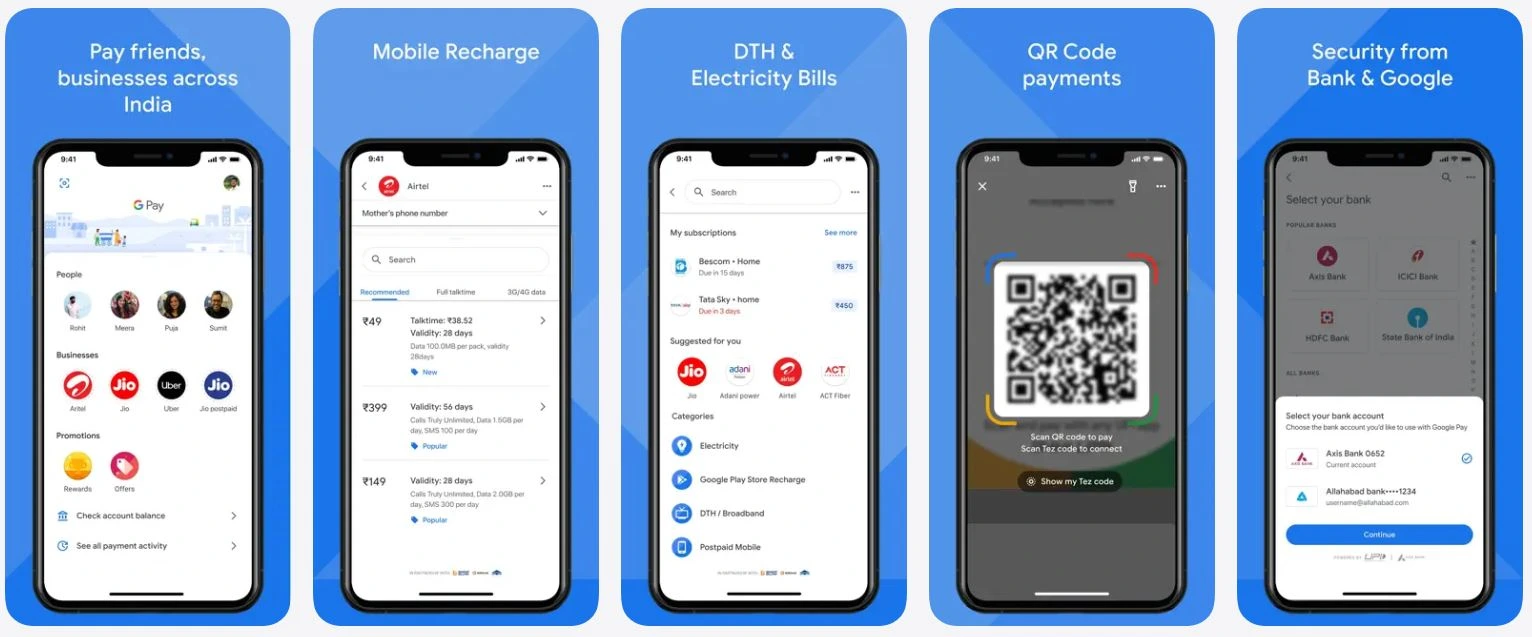
Google Pay leverages Flutter to deliver a fast, intuitive payment experience across devices. The app supports peer-to-peer transfers, bill payments, and transaction tracking while maintaining smooth performance.
As one of the top Flutter apps, Google Pay demonstrates Flutter’s ability to handle sensitive operations alongside complex UI flows. For businesses exploring how to develop an app like Google Pay, this example highlights Flutter’s strength in building secure, responsive, and high-traffic applications.
It proves that Flutter can support products where speed, reliability, and seamless user experience directly influence trust, retention, and daily usage at scale.
7. Reflectly
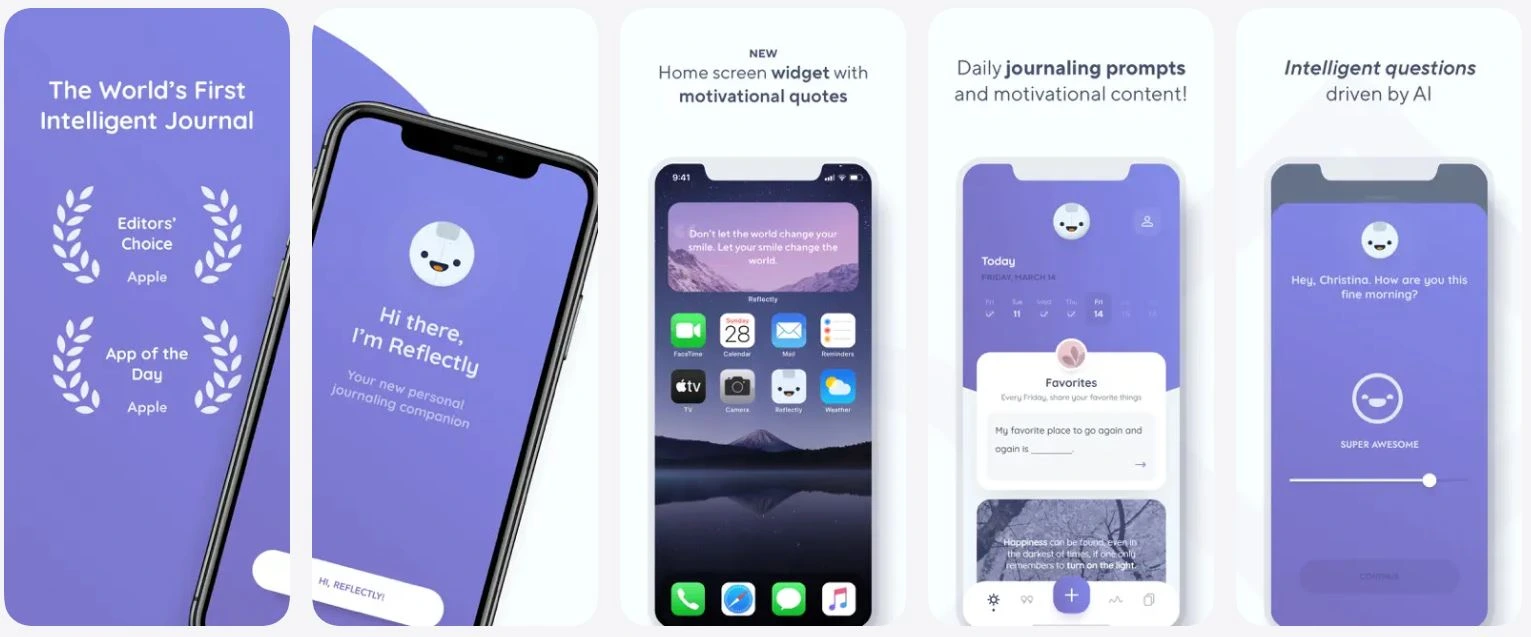
Reflectly is a popular AI-powered journaling app known for its visually rich and engaging interface. Frequently mentioned among popular apps built with Flutter, Reflectly uses Flutter to deliver fluid animations, personalized flows, and consistent UI across platforms.
The framework enables rapid iteration of design elements without compromising performance.
This app is a strong example for startups and product teams aiming to build experience-led applications where user engagement and interface quality are core to retention.
8. Google Earth
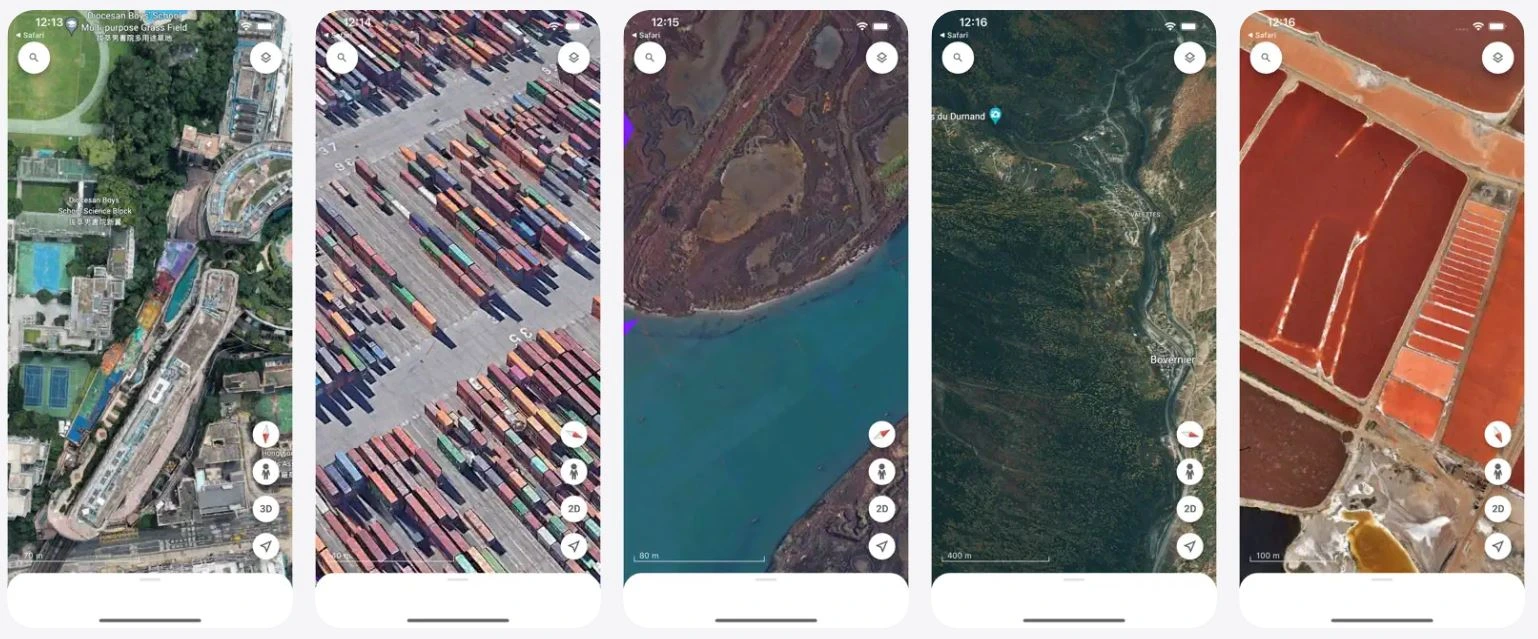
Google Earth demonstrates how Flutter can power visually rich, data-intensive applications at a global scale. Frequently featured among the top 10 Flutter apps, Google Earth enables users to explore 3D maps, satellite imagery, and immersive geographic data with smooth interactions.
Flutter helps Google deliver consistent performance across devices while rendering complex visuals and animations efficiently.
This use case shows how Flutter supports advanced visualization, making it a strong choice for apps that rely heavily on graphics, maps, and real-time data rendering.
9. Hamilton: The Official App
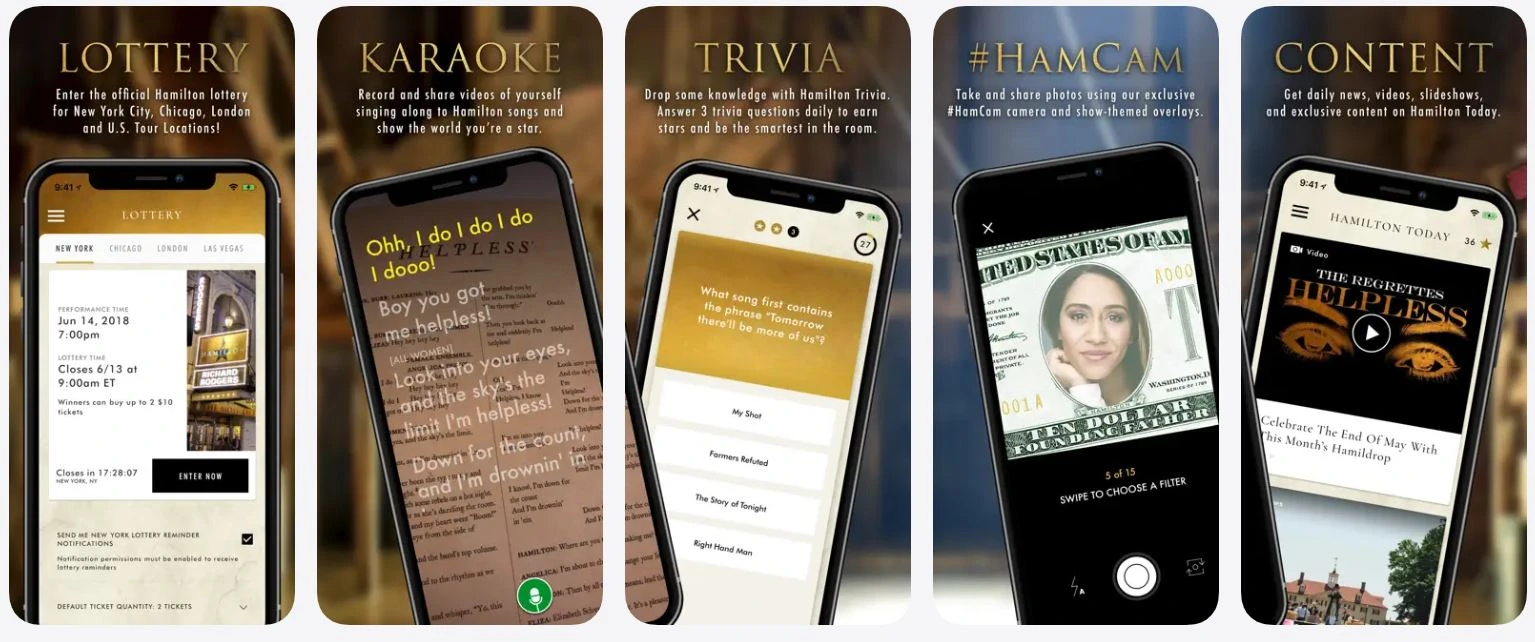
The official Hamilton musical app is a creative example of how Flutter supports content-rich experiences. Recognized as one of the top apps using Flutter, the app offers exclusive videos, music, merchandise, and interactive content for fans.
Flutter enables smooth navigation, immersive layouts, and consistent design across platforms.
Its success shows how Flutter works well for storytelling-focused apps that rely heavily on user experience, branding, and seamless content delivery.
10. Philips Hue
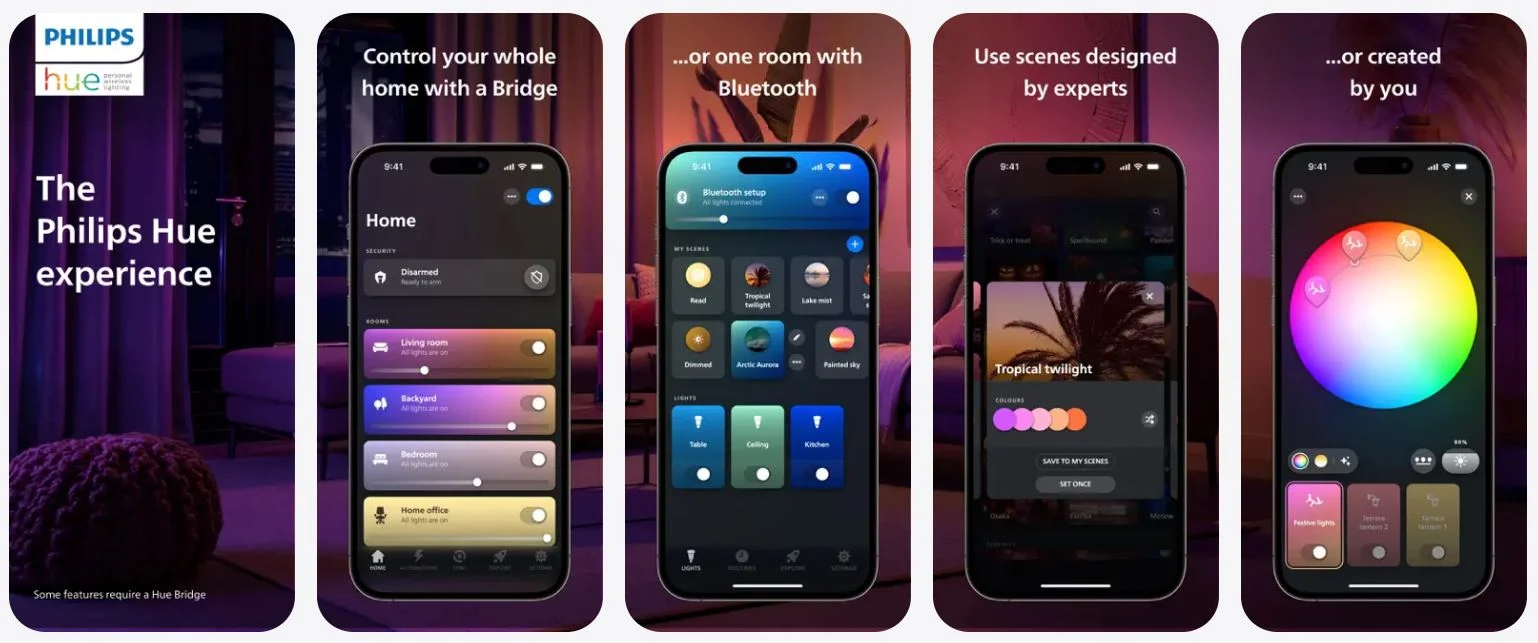
The Philips Hue app allows users to control smart lighting systems through their mobile devices. Frequently highlighted in Flutter app examples, the app manages device connectivity, real-time controls, and automation features.
Flutter’s flexibility helps Philips maintain a clean, intuitive interface while supporting frequent feature updates.
By leveraging the best Flutter libraries, tools, packages, and plugins, the app integrates hardware controls and a responsive UI efficiently, making it a strong reference for IoT and smart home applications.
11. Headspace

Headspace is a globally popular wellness app that delivers guided meditation, sleep support, and mindfulness tools to millions of users worldwide. The app focuses on simplicity, calm visuals, and intuitive navigation to support daily mental wellness habits.
Flutter helps enable smooth animations, responsive layouts, and consistent performance across devices, which is essential for maintaining a distraction-free user experience.
For businesses exploring the cost to create an app like Headspace, this example shows how Flutter can support content-driven wellness platforms that rely on polished design, scalability, and frequent feature updates.
12. PUBG MOBILE

PUBG MOBILE is one of the most downloaded mobile games globally and serves as a strong example of Flutter’s ability to scale. Often cited among top apps developed using Flutter, the app supports massive concurrent usage, real-time updates, and visually complex interfaces.
Flutter enables efficient UI rendering while integrating seamlessly with native components and game engines.
This demonstrates Flutter’s strength in supporting high-traffic applications that demand stability, speed, and global reach.
13. Realtor.com
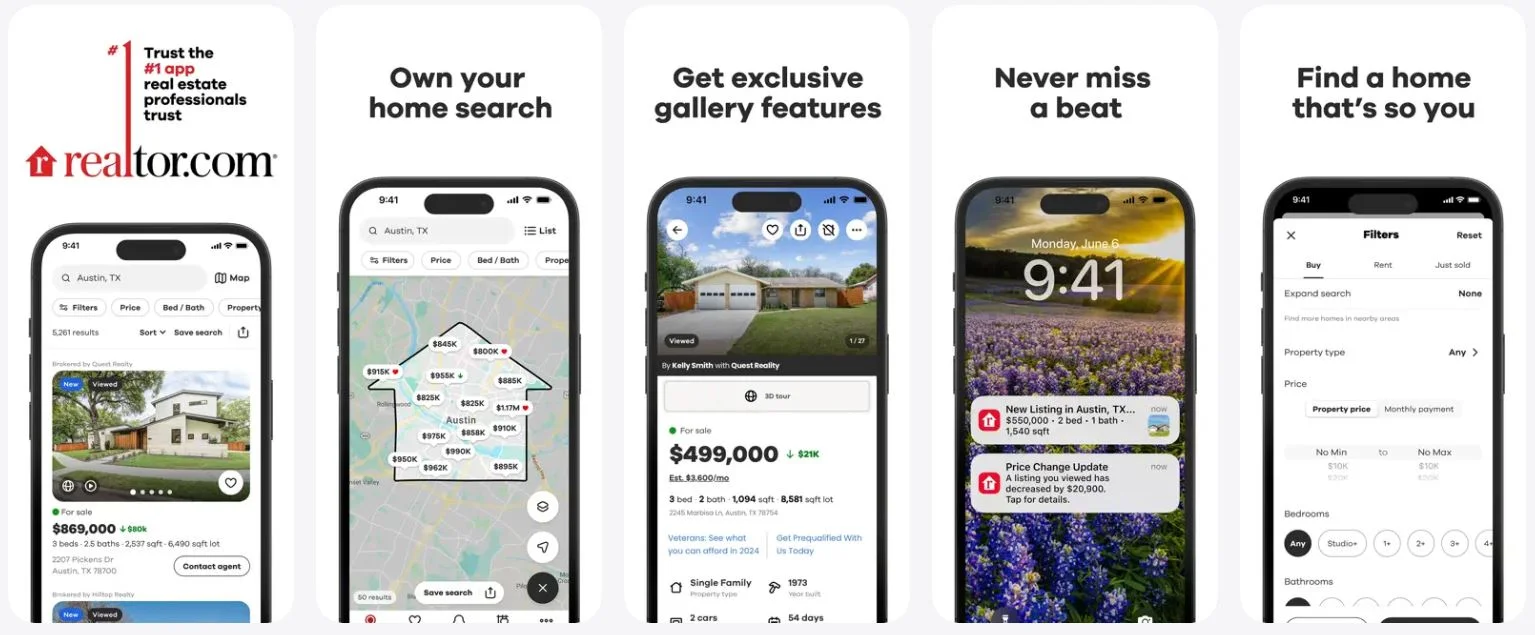
Realtor.com uses Flutter to enhance parts of its mobile experience, focusing on speed and usability for property search and discovery.
As one of the apps built using Flutter in the real estate space, it handles location-based search, listings, and interactive user journeys.
Flutter enables smoother transitions and faster iteration cycles, which are essential for platforms competing on user experience and responsiveness in highly competitive digital marketplaces.
14. Google NotebookLM
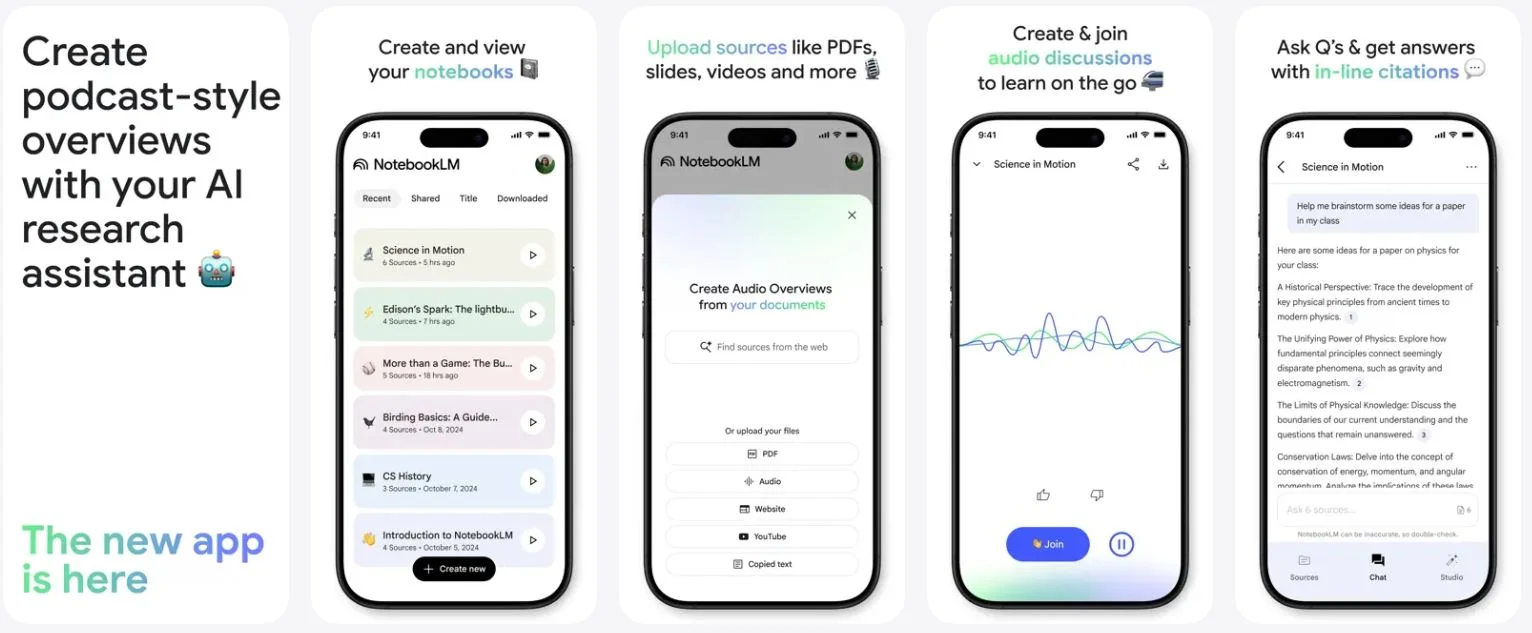
Google NotebookLM is an AI-powered research and note-taking tool designed to help users organize, summarize, and interact with information more effectively. Built around large language model capabilities, the app focuses on clarity, speed, and seamless content interaction.
Flutter supports clean UI rendering and rapid iteration, allowing Google to experiment with data-driven interfaces while maintaining consistency across platforms.
This example highlights Flutter’s suitability for AI-first applications where usability, performance, and tight integration with advanced backend systems are critical to the overall product experience.
15. Grab (Rides, Food & Pay)
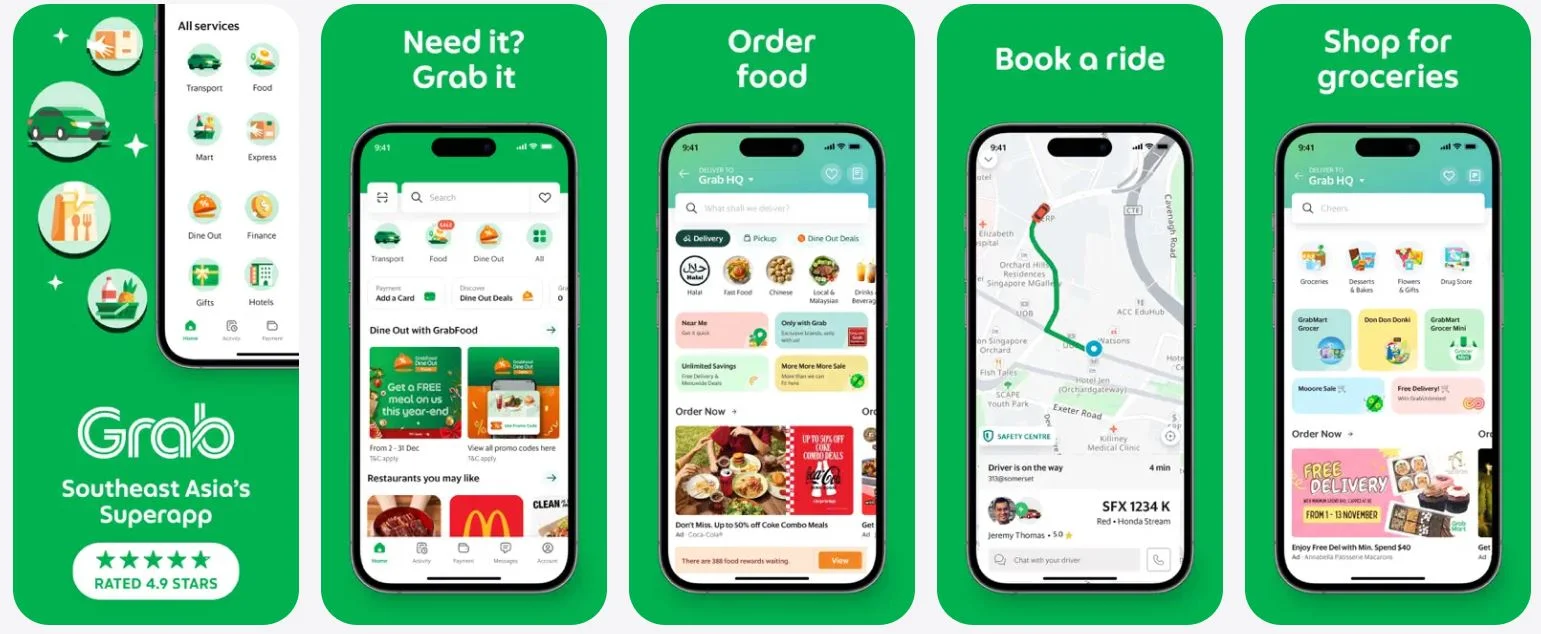
Grab is a multi-service super app used across multiple countries, offering ride-hailing, food delivery, and digital payments. It is frequently referenced in Flutter app examples due to its ability to manage diverse services within a single interface.
Flutter allows Grab to maintain a unified user experience while rapidly rolling out new features across regions.
For companies building super apps, this highlights how Flutter simplifies complex mobile app design challenges without sacrificing performance or scalability.
16. Insight Timer
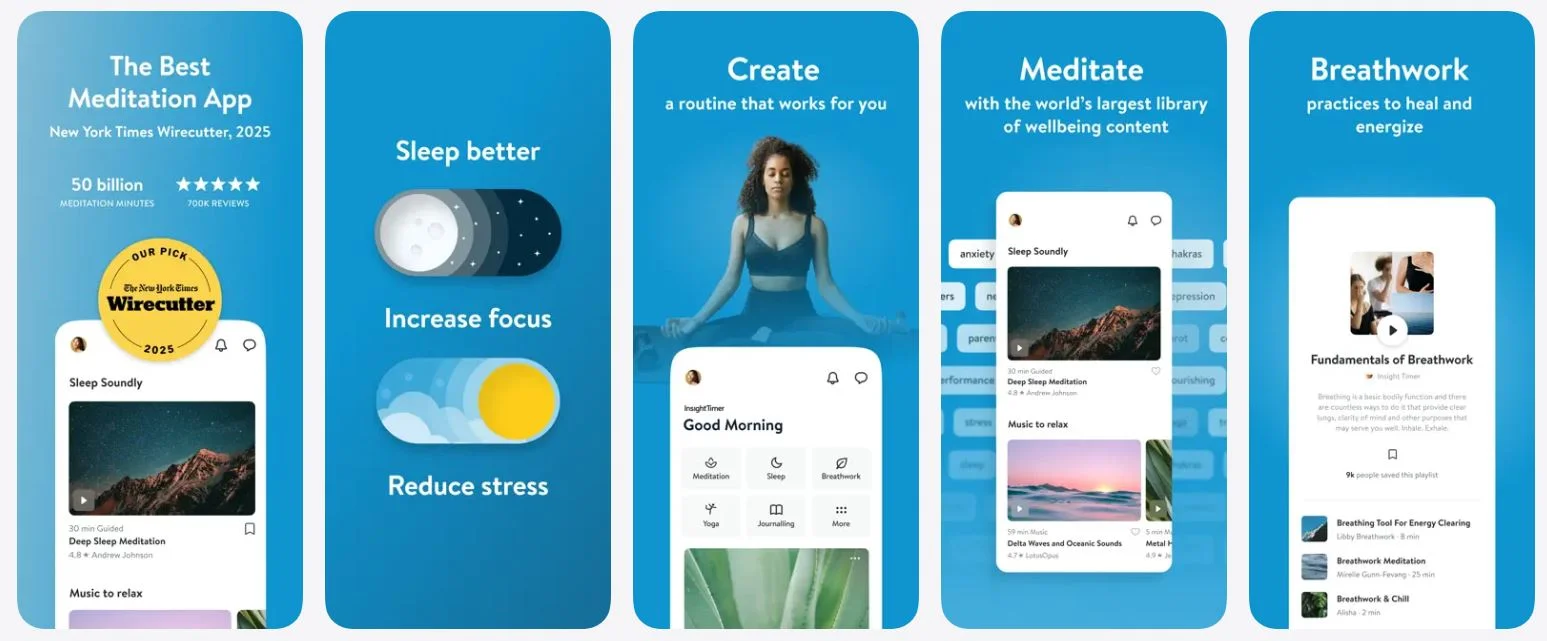
Insight Timer is one of the world’s most popular meditation and wellness apps, serving millions of users globally. Frequently counted among popular apps built with Flutter, the app delivers audio content, live sessions, and community features with smooth navigation and reliable performance.
Flutter helps maintain consistent experiences across platforms while supporting frequent feature updates.
For businesses in wellness or content-driven markets, Insight Timer proves Flutter can handle large content libraries and high daily engagement without compromising user experience.
17. DiDi – Rides & Taxi
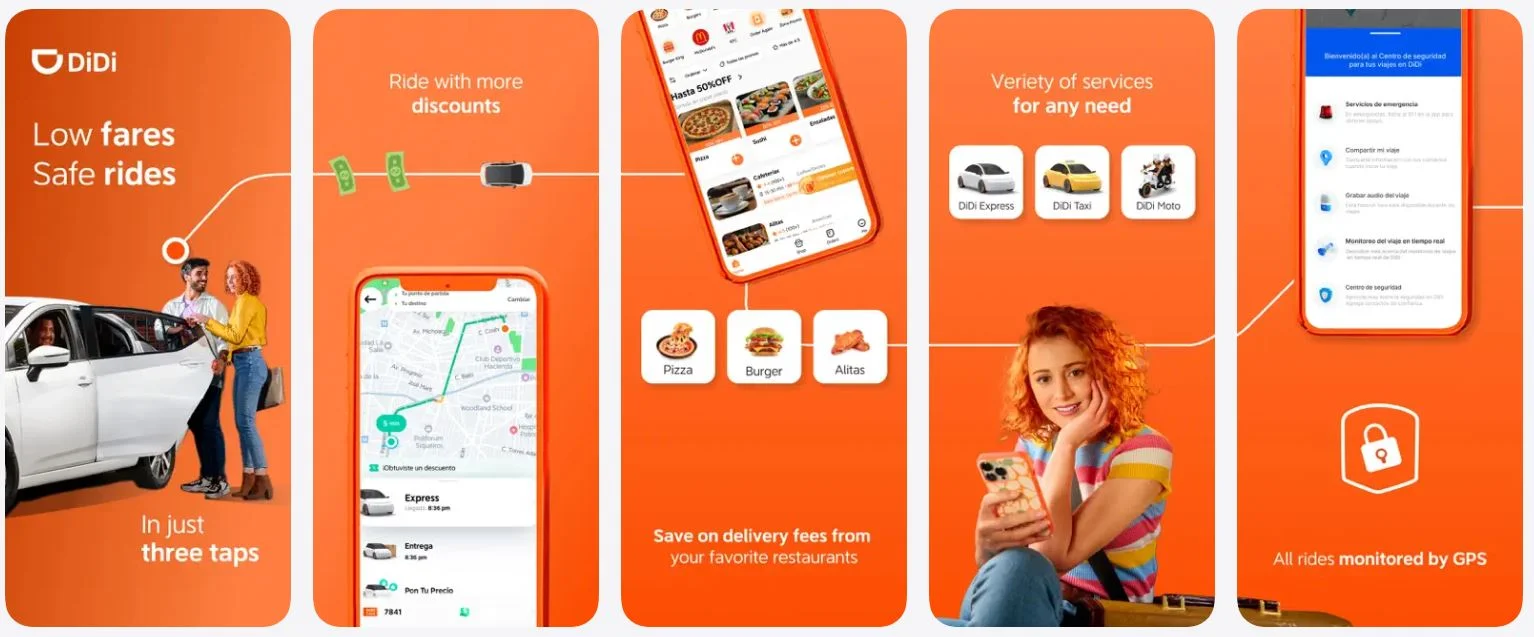
DiDi relies on Flutter to deliver reliable ride-hailing services across international markets. Commonly listed among the top apps developed using Flutter, the app manages real-time location tracking, trip updates, and dynamic pricing models efficiently.
Flutter enables faster iteration cycles while keeping UI performance consistent across a wide range of devices.
This example reinforces Flutter’s suitability for on-demand platforms that require accuracy, speed, and seamless user interactions.
18. Toyota App
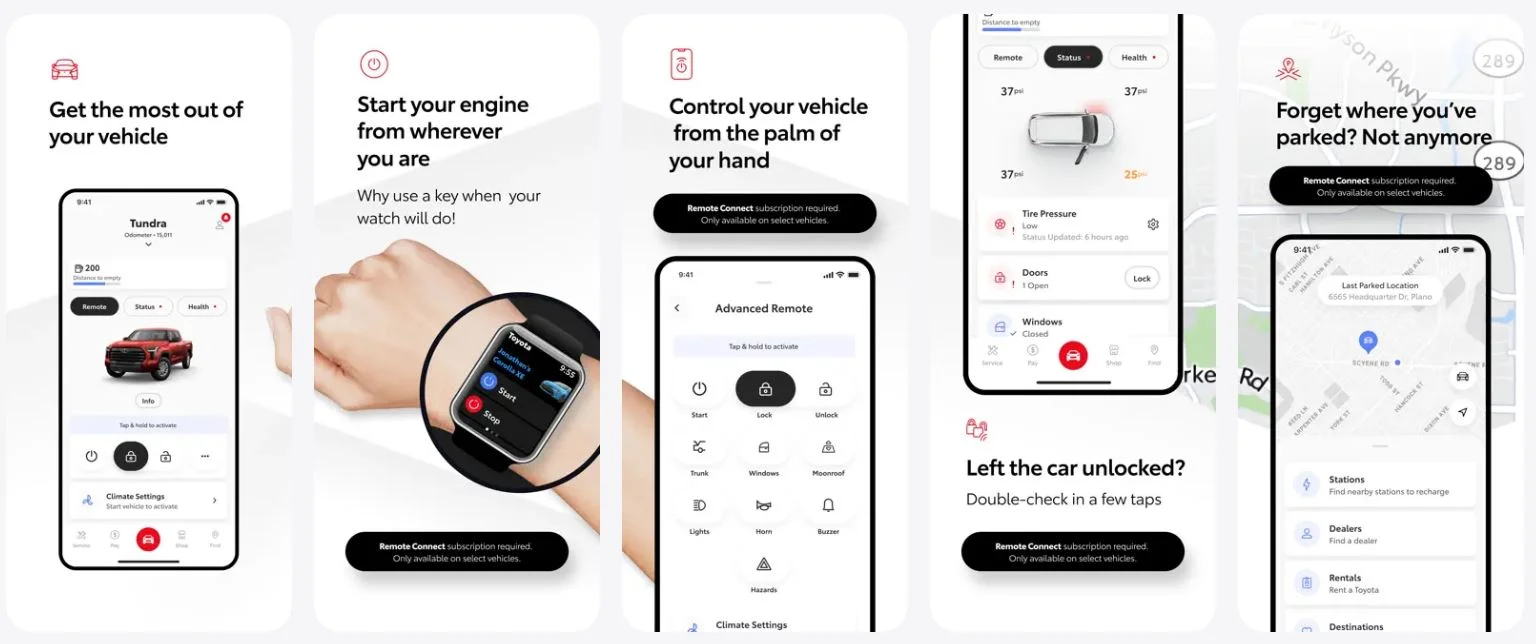
Toyota relies on Flutter to deliver a connected and reliable digital experience for vehicle owners across global markets. Often recognized among premium brand companion apps using Flutter, the app enables users to monitor vehicle status, schedule maintenance, and access remote features seamlessly.
Flutter supports faster update cycles while maintaining a polished and consistent interface across devices.
This example highlights Flutter’s suitability for connected-product ecosystems where performance, usability, and brand consistency are essential.
19. Binance
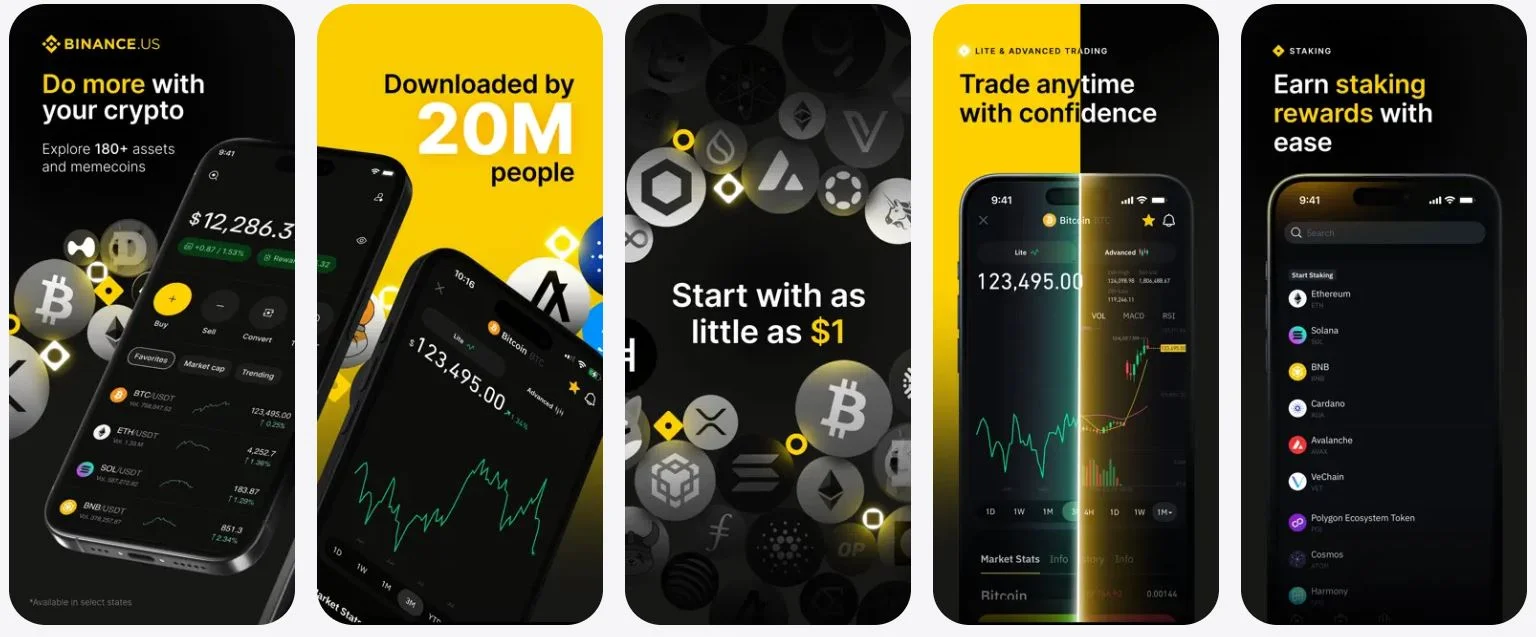
Binance, one of the world’s largest cryptocurrency platforms, uses Flutter to provide a secure and responsive trading experience. The app supports real-time price tracking, transactions, and account management for millions of users globally.
Flutter’s performance and cross-platform consistency allow Binance to scale efficiently while maintaining a clean and intuitive interface.
This proves Flutter can support fintech applications where security, reliability, and speed are critical to user trust.
20. Groupon
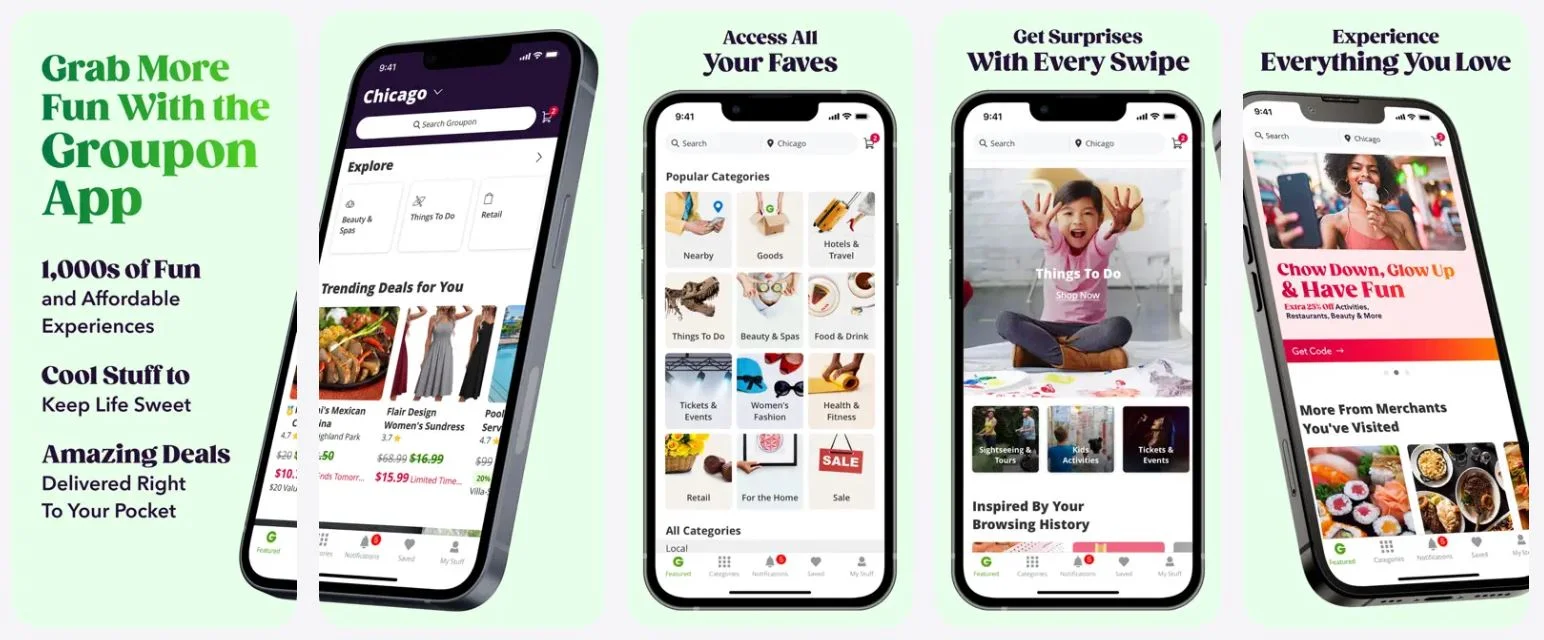
Groupon uses Flutter to enhance its mobile marketplace experience for users across multiple regions. Frequently referenced among consumer-facing apps adopting Flutter, the platform manages dynamic deals, personalized offers, and high user traffic efficiently.
Flutter allows Groupon to iterate quickly on user-facing features while keeping performance stable across a wide range of devices.
This reinforces Flutter’s ability to support large-scale marketplace apps that depend on speed, flexibility, and smooth user interactions.
Key Factors to Consider During Flutter App Development
Before starting a Flutter project, it’s important to evaluate more than just the framework’s popularity. While many businesses ask is Flutter used for app development at scale, the real success of a Flutter app depends on how well strategic decisions are made during planning, execution, and long-term maintenance.
► Define Clear App Goals and Scope
The foundation of successful custom Flutter app development lies in clarity. Businesses should define their target users, core features, and success metrics early.
Flutter works well across many industries, but vague requirements often lead to scope creep and delayed launches. Clear planning ensures Flutter’s flexibility is used strategically rather than reactively, especially when aligning features with real-world Flutter app use cases.
► Understand Development Costs and Budget Expectations
Cost is a primary concern for founders and product owners. The cost to build a Flutter app depends on complexity, integrations, design depth, and backend needs.
While Flutter’s single codebase reduces effort, businesses should also consider long-term mobile app development costs, including updates, scaling, and maintenance. Evaluating total ownership cost, not just initial build, leads to smarter investment decisions.
► Plan for Timelines and Speed to Market
Project timelines play a critical role in competitive markets. Many teams ask how long does it take to build a mobile app using Flutter. While Flutter generally accelerates development, timelines still depend on app scope, team experience, and approval cycles.
Setting realistic milestones ensures faster releases without sacrificing quality, especially for MVPs and phased launches.
► Choose the Right Development Team
Flutter’s advantages are fully realized with the right expertise. Businesses may decide to hire Flutter developers internally or work with an external partner.
Some also consider regional expertise, such as a mobile app development company in Denver, for collaboration or market familiarity. Regardless of location, the priority should be proven Flutter experience, transparent processes, and scalability readiness.
► Prioritize Security and Compliance from Day One
Security should never be an afterthought. Even with Flutter’s strong architecture, businesses must implement robust mobile app security best practices such as secure authentication, data encryption, and API protection.
This is especially critical for apps handling payments, personal data, or enterprise information. Early security planning helps prevent costly fixes after launch.
Why Partner with JPLoft for Flutter App Development?
Choosing the right technology is only half the journey; choosing the right execution partner defines long-term success. At JPLoft, we don’t just build apps; we help businesses transform Flutter’s flexibility into scalable, production-ready solutions.
As a trusted Flutter app development company, JPLoft specializes in custom Flutter app development tailored to your business goals. From MVP launches to enterprise-grade platforms, our team focuses on clean architecture, performance optimization, and future-ready scalability.
Whether you’re a startup validating an idea or an established brand modernizing its product, JPLoft ensures your Flutter app is built to grow, securely, efficiently, and with measurable business impact.
Conclusion
Flutter has clearly moved beyond being just another cross-platform framework. Today, it powers real-world products across industries, proving that performance, scalability, and cost-efficiency can coexist in modern app development.
For businesses evaluating, is Flutter good for app development, the success stories highlighted in this guide offer a clear answer backed by execution, not hype.
From startups launching faster MVPs to enterprises streamlining multi-platform development, Flutter enables teams to build consistent, high-quality user experiences with a single codebase.
When paired with the right strategy, design thinking, and technical expertise, Flutter becomes a long-term growth enabler, not just a development shortcut.
If your goal is to build a future-ready mobile product that balances speed, performance, and flexibility, Flutter is well worth serious consideration.
FAQs
Yes, Flutter is a strong choice for modern app development due to its single codebase, near-native performance, and growing ecosystem. It supports rapid development, consistent UI across platforms, and scalability, making it suitable for startups, enterprises, and long-term digital products.
Flutter is ideal for startups launching MVPs quickly, SaaS companies building cross-platform products, and enterprises aiming to reduce development and maintenance costs. Industries such as fintech, eCommerce, healthcare, travel, and media commonly leverage Flutter for faster go-to-market and consistent user experiences.
Absolutely. Many popular apps built with Flutter successfully handle millions of users. With proper architecture, state management, and backend integration, Flutter apps can scale efficiently while maintaining performance, making them suitable for both growing startups and high-traffic enterprise applications.
Flutter offers faster development and lower costs by using a single codebase, while still delivering near-native performance. Native development may be preferred for highly platform-specific features, but for most business use cases, Flutter provides an optimal balance of speed, flexibility, and performance.
Yes. Flutter’s stable framework, strong community support, and frequent updates from Google make it reliable for long-term projects. Maintaining one codebase simplifies updates, feature additions, and bug fixes, reducing overall maintenance effort compared to managing separate native apps.

Meet Yashwant, the CTO of JPLoft. With 18+ years of industry experience, he brings deep technical expertise and visionary leadership to complex digital challenges. From scalable software architectures to emerging technology implementations, Yashwant drives innovation that empowers businesses across diverse industries to build future-ready, secure, and high-performing digital solutions.



Share this blog