


Key Takeaways :
Every music streaming app offers unique strengths, making the right choice depend on your listening preferences and daily habits.
The best music streaming apps stand out through personalized recommendations, smooth navigation, and high-quality audio experiences.
Some platforms focus on independent artists, while others excel in podcasts, live radio, premium sound, or exclusive content.
Features like AI-powered recommendations, offline listening, and cross-device support improve the overall music streaming experience.
Comparing features, pricing, and audio quality helps you choose a platform that best matches your entertainment needs.
If you plan to launch a music streaming platform in the future, JPLoft can help turn your idea into a scalable, feature-rich application.
Music streaming has changed how people discover, listen to, and enjoy songs every day. Users now expect personalized recommendations, smooth experiences, and access to millions of tracks anytime across devices.
The demand for digital music platforms continues to grow, creating new opportunities for businesses entering this space. Today, competition is strong, and platforms are focusing on innovation, better user experience, and smarter features to stay ahead in the market.
Modern users also look for seamless navigation, high-quality audio, and personalized content that matches their taste. These expectations are shaping how music apps are built and improved.
This blog explores the best music streaming apps in 2026 and highlights what makes these platforms successful. It also covers key factors businesses should consider when building a modern music streaming solution.
List of the Best Music Streaming Apps in 2026
With so many platforms available today, choosing the right music app depends on factors like audio quality, personalization, content library, pricing, and user experience.
If you are exploring what are the best music streaming apps, the answer depends on what users expect from a modern music platform.
From AI-powered recommendations to high-quality streaming, the top music streaming platforms continue to compete by offering unique experiences.
Here are the best platforms that have built a strong position in the global music streaming market.
1. Spotify
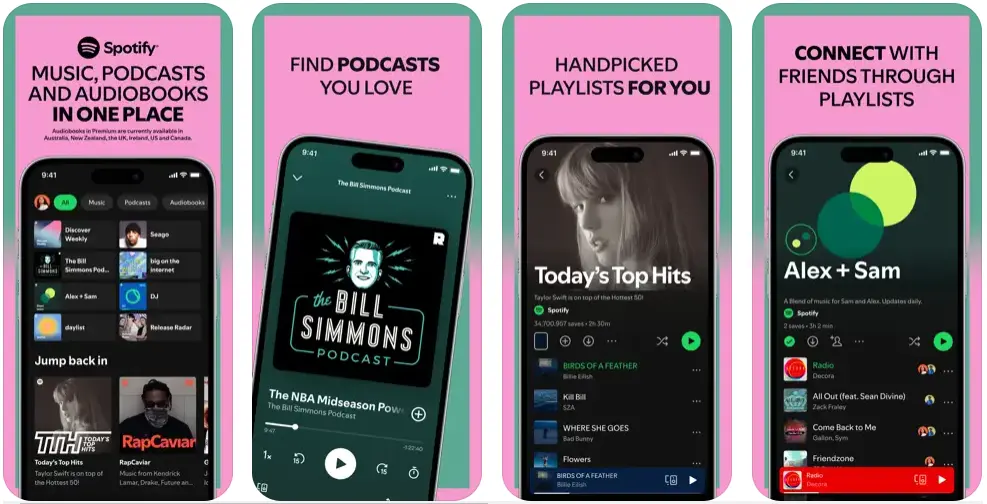
Spotify is one of the most popular music streaming platforms worldwide. It serves 761 million monthly active users and 293 million Premium subscribers as of Q1 2026, while offering access to more than 100 million songs, podcasts, playlists, and audiobooks. Its simple interface and AI-powered discovery features help users find new music easily. Spotify focuses on creating a personalized listening experience by understanding user preferences and listening behavior.
Why it stands out:
-
AI-powered music recommendations
-
Personalized playlists like Discover Weekly
-
Podcast and audiobook support
-
Cross-device accessibility
Businesses often study Spotify’s model while understanding how to develop an app like Spotify. Its AI-driven recommendations, personalized playlists, and seamless cross-device experience provide valuable development insights. These features help create engaging music streaming platforms that encourage long-term user retention.
Best for: Users who want customized playlists and a complete entertainment experience.
2. Apple Music
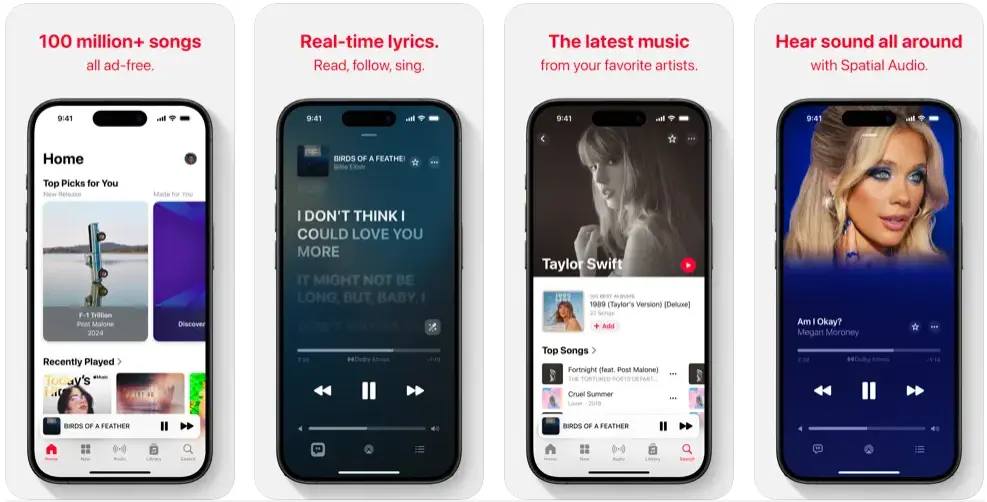
If you are asking, What is the best music streaming app for iPhone? Apple Music is often the first platform that comes to mind because of its seamless integration with the Apple ecosystem.
It is a premium streaming platform available in more than 160 countries with a catalog of over 100 million songs. Apple Music also supports Lossless Audio and Spatial Audio with Dolby Atmos, alongside exclusive releases and curated playlists. The platform delivers a clean interface with reliable performance across Apple products.
Why it stands out:
-
Lossless and spatial audio support
-
Seamless iOS integration
-
Exclusive artist content
-
Expert-curated playlists
For businesses planning to enter this market, understanding how to create an app like Apple Music helps identify important elements such as subscription models, content libraries, and premium user experiences.
Best for: iPhone and Apple users looking for a refined music experience.
3. YouTube Music
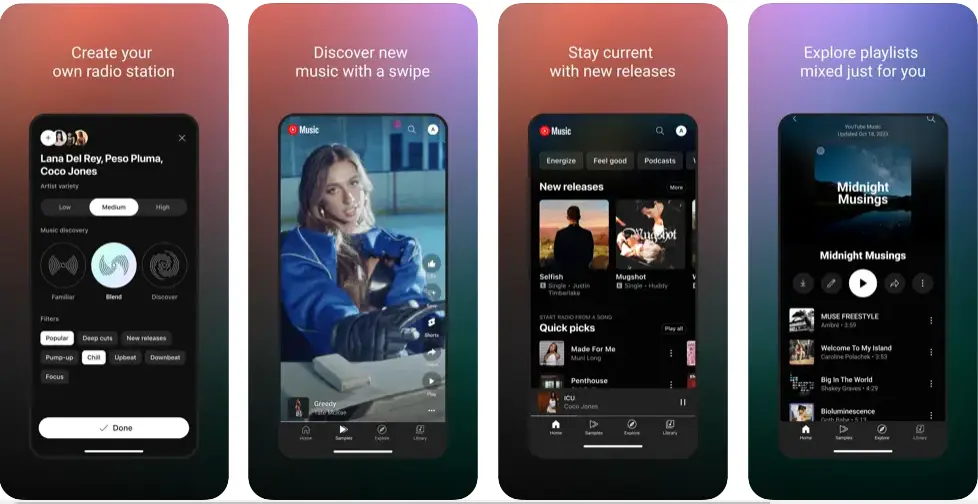
YouTube Music offers a unique combination of music streaming and video-based content. Users can access more than 100 million official songs, live performances, covers, remixes, and music videos through one platform. Its connection with YouTube allows listeners to discover exclusive creator content alongside traditional music catalogs.
Why it stands out:
-
Music videos and audio in one place
-
Personalized recommendations
-
Large creator content library
-
Easy music discovery
It is among the top music apps for streaming because it supports different types of listeners. The platform shows how combining multiple content formats can improve engagement and create a stronger user experience.
Best for: Users who enjoy music videos and unique content formats.
4. Amazon Music
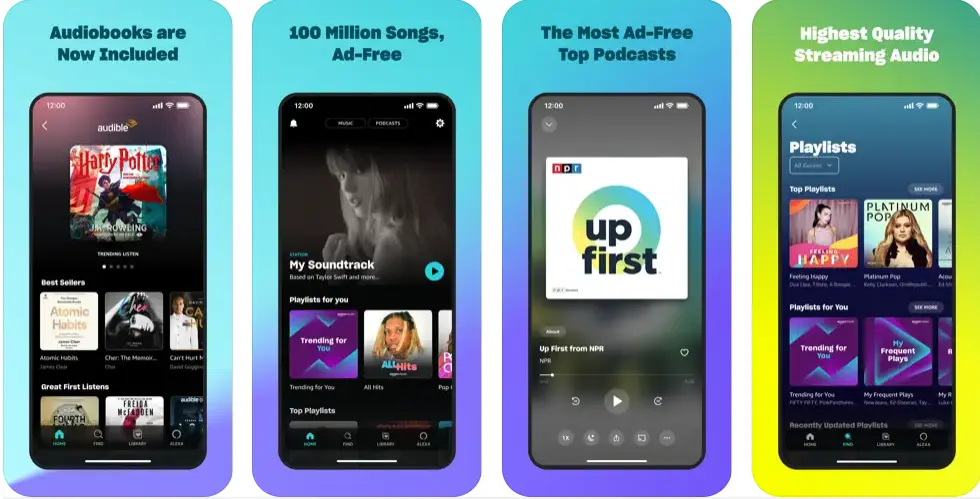
Amazon Music is a global streaming platform offering more than 100 million songs, podcasts, and flexible subscription options. It connects with Amazon's ecosystem, including Alexa-enabled devices, while supporting HD, Ultra HD, and Spatial Audio. The platform focuses on convenience, personalized recommendations, and easy access across different devices.
Why it stands out:
-
Alexa and smart device support
-
Multiple subscription plans
-
High-quality audio options
-
Personalized listening experience
Businesses interested in this model can explore how to develop an app like Amazon Music.
It helps understand features like music libraries, subscriptions, voice integration, and scalable streaming infrastructure.
Best for: Users who prefer smart integrations and flexible listening options.
5. TIDAL
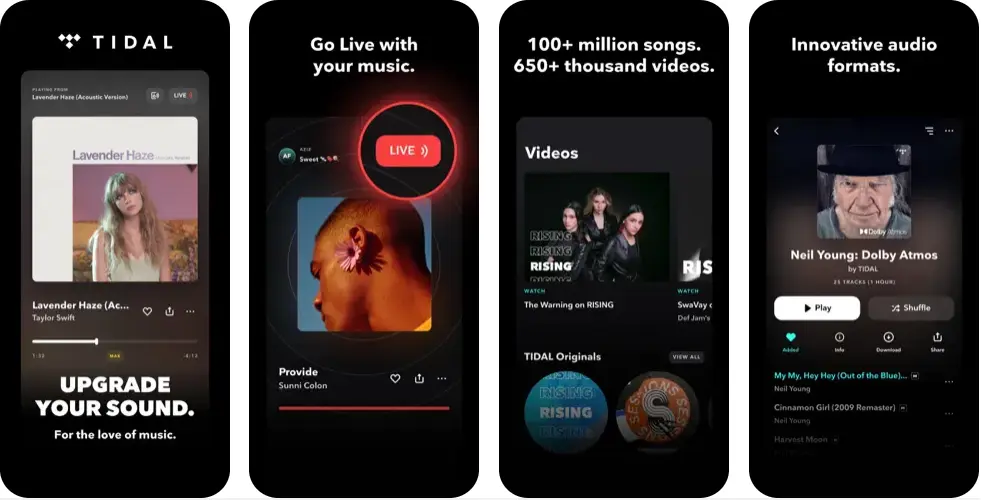
TIDAL is a premium music streaming service focused on high-quality audio and exclusive artist experiences. The platform offers more than 110 million tracks with support for HiRes FLAC and Dolby Atmos audio. Instead of competing only through content volume, TIDAL focuses on delivering studio-quality sound and premium features for serious music enthusiasts.
Why it stands out:
-
High-fidelity audio streaming
-
Lossless sound quality
-
Exclusive music releases
-
Artist-focused content
TIDAL is a strong example of how niche positioning can help a platform stand out. It highlights why premium features and unique value are important when building modern, best music streaming apps. Therefore, businesses analyze the cost to build an app like Tidal Music, to roll out music app based on this model.
Best for: Listeners who prioritize audio quality and premium experiences.
6. SoundCloud
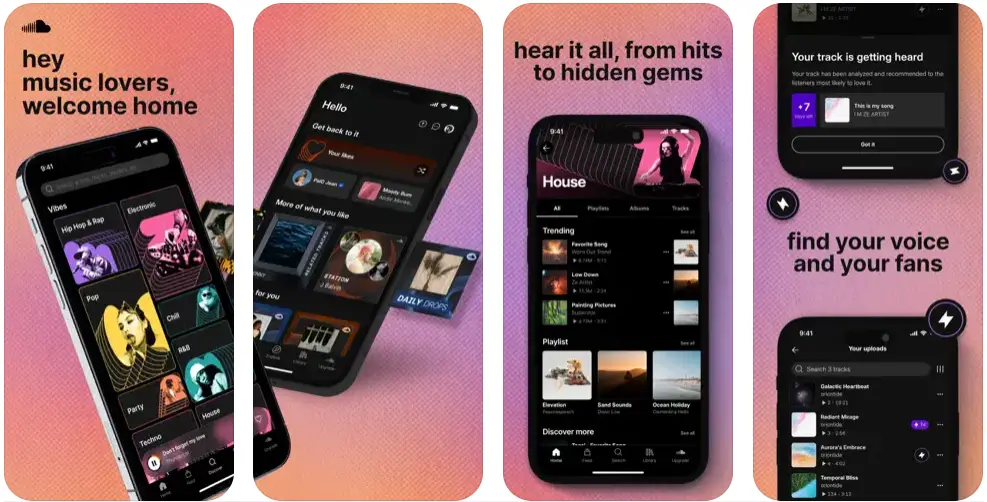
SoundCloud is one of the largest creator-first music platforms, hosting more than 400 million tracks from independent artists, emerging musicians, and established creators. Unlike traditional streaming services, it allows artists to upload and distribute music directly while helping listeners discover fresh talent. The platform has built a strong community around independent music and user-generated content, making it a preferred choice for creators worldwide.
Why it stands out:
-
Large independent music community
-
Direct artist-to-listener connection
-
User-generated audio content
-
Strong discovery experience
Businesses studying creator-driven platforms often explore how to create an app like SoundCloud to understand features like content uploads, community engagement, and artist interactions. creator-focused ecosystem makes it one of the most recognized platforms among the best music streaming services.
Best for: Users who enjoy discovering independent artists and new music.
7. Deezer
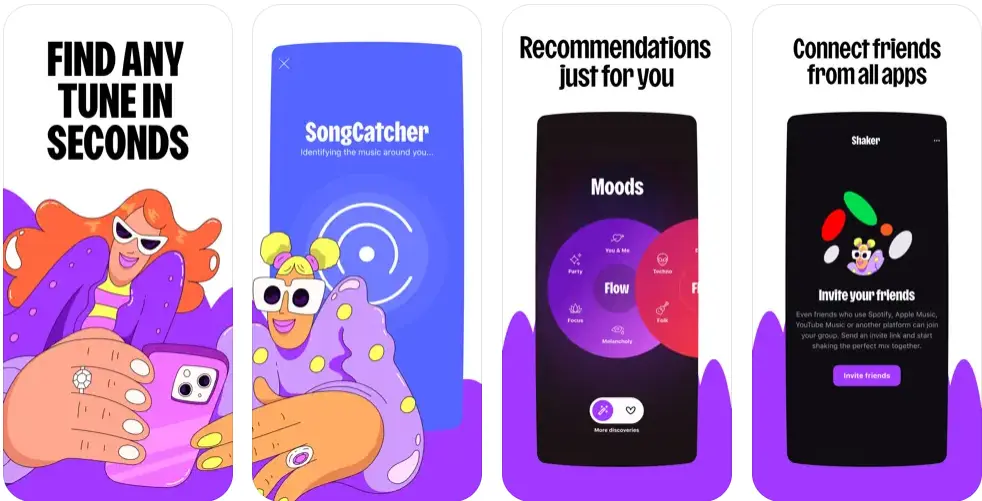
Deezer is a global music streaming platform offering more than 120 million tracks, podcasts, playlists, and personalized recommendations. Available in over 180 countries, it focuses on delivering a smooth listening experience through intelligent music discovery. Its signature Flow feature creates an endless personalized soundtrack by combining listening habits with editorial recommendations.
Why it stands out:
-
Personalized Flow recommendations
-
Large global music catalog
-
High-quality audio options
-
Podcast and playlist support
Deezer shows how personalization and content organization can improve user experience. Businesses exploring the cost to create an app like Deezer can learn how subscription models, music libraries, and recommendation systems contribute to a successful streaming platform.
Best for: Users looking for personalized music discovery with flexible listening options.
8. Pandora

Pandora is a popular music streaming service known for its radio-style listening experience. Powered by its Music Genome Project, the platform analyzes hundreds of musical attributes to deliver highly personalized radio stations. Instead of only selecting songs, users can create stations based on artists, genres, and preferences, making music discovery simple and engaging.
Why it stands out:
-
Personalized radio stations
-
Music discovery features
-
Simple user experience
-
Curated playlists and podcasts
Pandora’s recommendation-based approach makes it different from traditional streaming platforms. Companies interested in building similar solutions often study the cost to develop an app like Pandora to understand the technology behind personalized streaming and user-focused content delivery.
Best for: Users who enjoy automated music discovery and radio-style experiences.
9. Qobuz
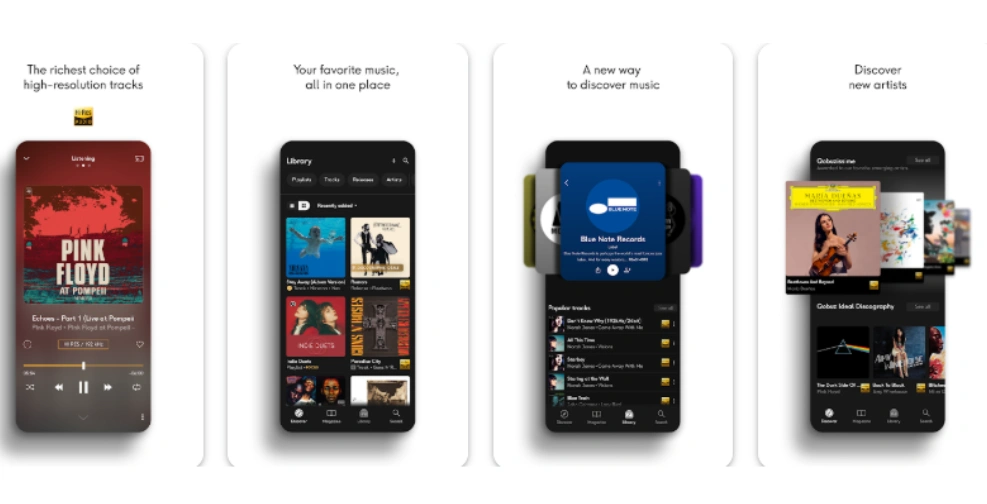
Qobuz is a premium music streaming platform designed for listeners who value audio quality. The platform offers more than 100 million tracks with Hi-Res Audio streaming up to 24-bit/192 kHz, making it a preferred choice for audiophiles. It focuses on delivering exceptional sound quality while providing detailed album notes, artist information, and expert editorial content.
Why it stands out:
-
High-resolution audio streaming
-
Premium music experience
-
Detailed artist information
-
Curated editorial content
Qobuz highlights how focusing on a specific audience can create a strong market position. Its premium approach shows that best music platforms for streaming can compete through quality, user experience, and specialized features.
Best for: Audiophiles who prioritize sound quality and detailed music experiences.
10. iHeartRadio
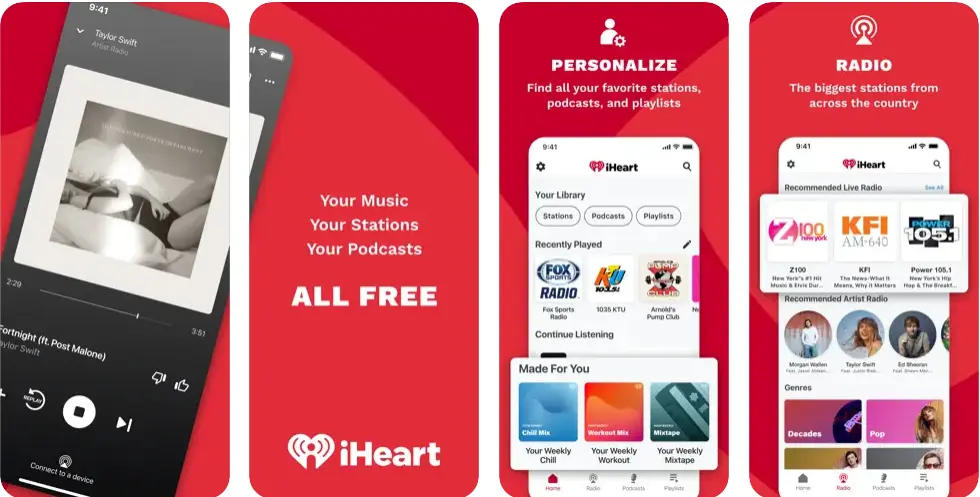
iHeartRadio is a digital audio platform combining more than 2,000 live radio stations, podcasts, playlists, and music streaming in one place. It provides access to local and national radio alongside personalized listening options. The platform successfully blends traditional radio broadcasting with modern streaming features for a wider entertainment experience.
Why it stands out:
-
Live radio streaming
-
Podcast library
-
Personalized stations
-
Multiple audio formats
iHeartRadio demonstrates how combining different audio services can increase user engagement. Businesses looking at the cost to develop an app like iHeart can understand the importance of integrating radio, streaming, and content discovery features into one platform.
Best for: Users who enjoy radio content along with music streaming.
11. TuneIn Radio
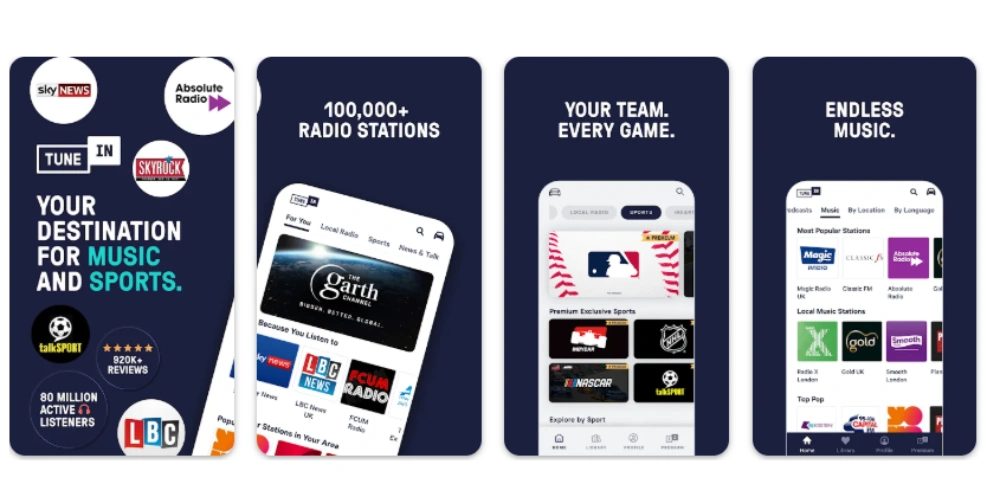
TuneIn Radio is a global audio streaming platform focused on live radio, podcasts, sports, and news content. It provides access to more than 100,000 live radio stations and millions of podcasts from around the world. The platform combines traditional broadcasting with digital streaming, giving users a wider range of audio experiences through a single application.
Why it stands out:
-
Live radio streaming worldwide
-
News and sports content
-
Podcast access
-
Wide audio content variety
TuneIn shows how combining multiple audio formats can create strong user engagement. Businesses exploring how to develop an app like TuneIn Radio can understand the importance of content variety, live streaming features, and scalable audio infrastructure.
Best for: Users who enjoy radio, podcasts, and live audio experiences.
12. Audiomack
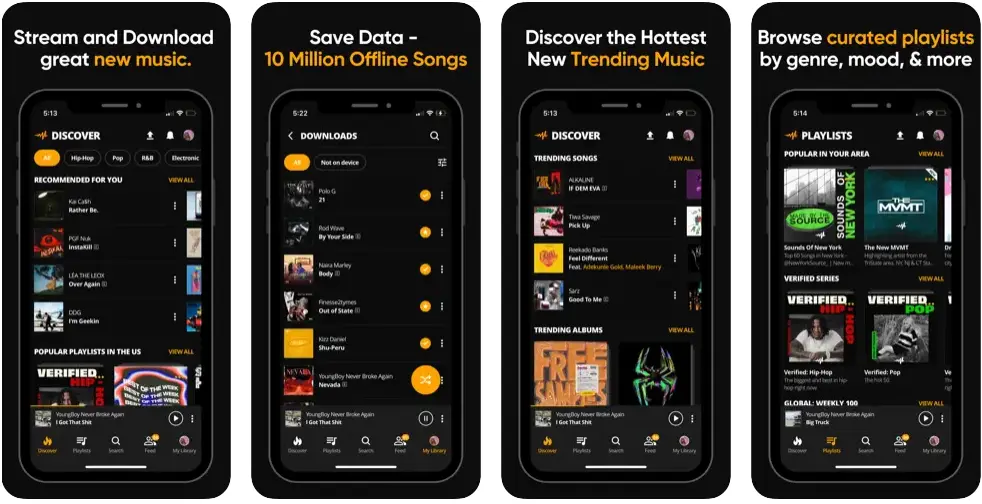
Audiomack is a music streaming platform popular among emerging artists and listeners looking for new releases. The platform has been downloaded over 100 million times on Google Play and provides free access to songs, albums, playlists, and trending tracks. It focuses on music discovery while helping independent creators grow their audience through direct uploads.
Why it stands out:
-
Free music streaming options
-
Strong support for upcoming artists
-
Trending music discovery
-
Creator-focused features
Audiomack highlights how free access and creator engagement can help platforms grow. Businesses studying the cost to develop an app like Audiomack can learn about features like music uploads, user engagement, and community-driven streaming experiences.
Best for: Users discovering new artists and trending music.
13. Bandcamp
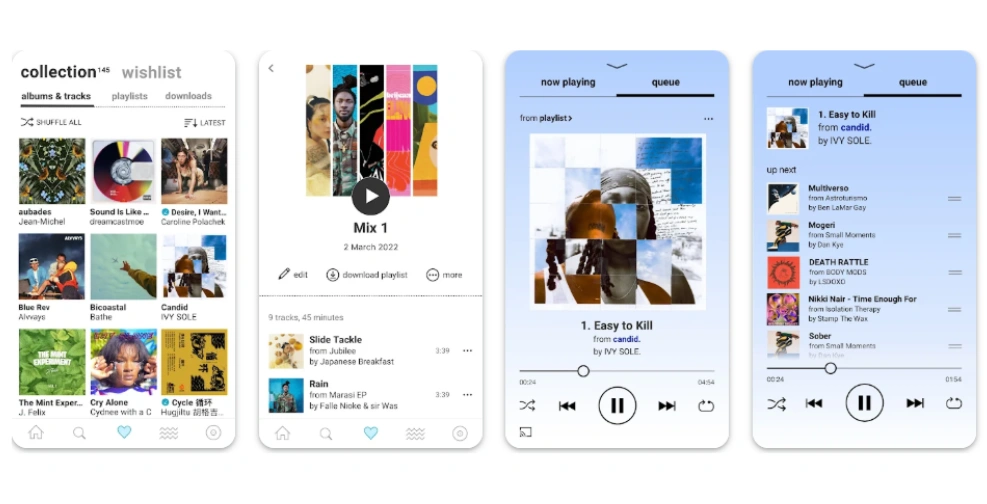
Bandcamp is a unique music platform that connects independent artists directly with fans. It allows musicians to upload music, sell digital albums, merchandise, and vinyl while building stronger relationships with listeners. Unlike traditional streaming services, it focuses heavily on artist ownership, with creators having greater control over pricing and distribution.
Why it stands out:
-
Direct artist-to-fan connection
-
Music purchases and support options
-
Independent artist discovery
-
Community-focused experience
Bandcamp shows how best music platforms for streaming can create value beyond streaming. Its creator-first approach can inspire businesses looking for new music app ideas that focus on stronger artist relationships and community engagement.
Best for: Listeners who want to support independent musicians.
14. Napster
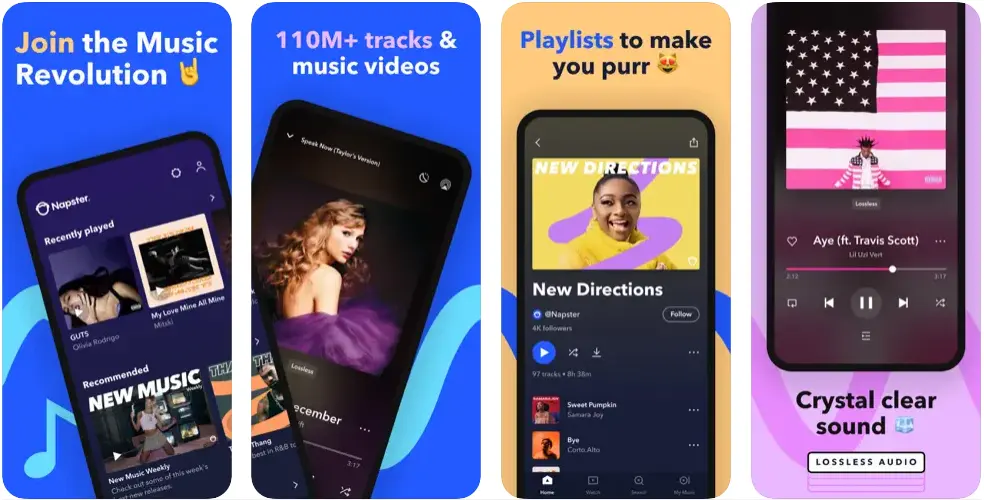
Napster is one of the oldest names in digital music and has evolved into a modern streaming platform after pioneering peer-to-peer music sharing in 1999. Today, it offers access to more than 110 million tracks through a subscription-based model. The platform focuses on delivering a straightforward listening experience with reliable streaming across multiple devices.
Why it stands out:
-
Large music catalog
-
Subscription streaming model
-
Playlist creation
-
Multi-device support
Napster’s evolution shows how music platforms can adapt with changing user expectations. Businesses analyzing successful streaming models can learn how continuous updates and user-focused improvements help older platforms remain competitive.
Best for: Users who prefer a simple streaming experience with a large music collection.
15. SiriusXM
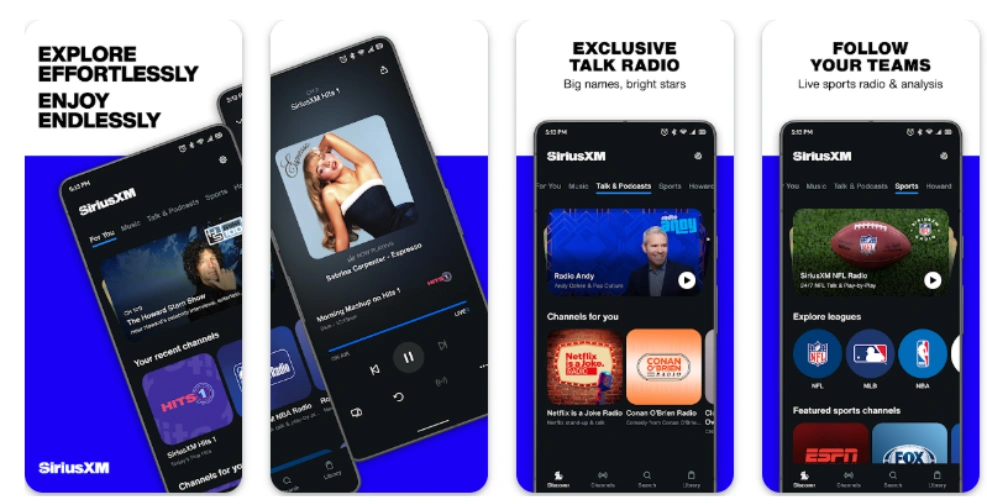
SiriusXM is a subscription-based audio platform offering music channels, podcasts, live shows, sports, and entertainment content. The service reaches more than 33 million subscribers across North America while combining satellite radio with digital streaming. Its exclusive channels, celebrity hosts, and live broadcasts create an experience that goes beyond traditional on-demand music.
Why it stands out:
-
Exclusive channels and shows
-
Live entertainment content
-
Personalized recommendations
-
Podcast and music combination
SiriusXM represents how premium content can strengthen user loyalty. Businesses looking to develop an app like SiriusXM can learn from its focus on exclusive content, subscriptions, and long-term listener engagement.
Best for: Users who enjoy curated channels and premium audio content.
16. Mixcloud
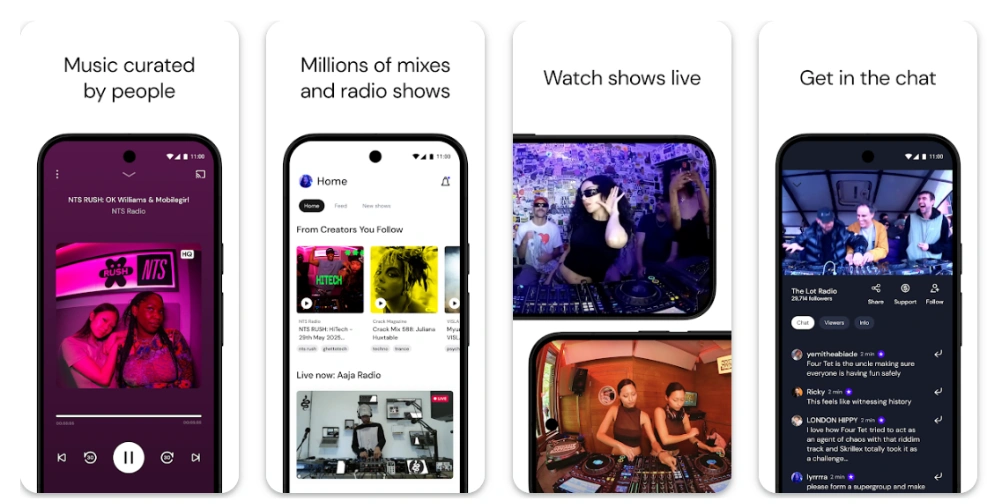
If you are exploring, what is the best music streaming app for Android? Mixcloud is a renowned name. It is an audio streaming platform focused on DJ mixes, radio shows, podcasts, and long-form audio content. The platform hosts over 50 million DJ mixes, radio shows, and podcasts, making it a preferred destination for creators sharing curated listening experiences. Unlike traditional music streaming services, Mixcloud emphasizes continuous mixes instead of individual tracks.
Why it stands out:
-
DJ sets and curated mixes
-
Long-form audio content
-
Creator-focused publishing
-
Community-driven discovery
Mixcloud shows how niche platforms can succeed by targeting specific listener groups. Businesses exploring how to develop an app like Mixcloud can understand the importance of creator tools, content discovery, and community engagement features.
Best for: Users who enjoy DJ mixes, radio shows, and curated audio experiences.
17. Musixmatch
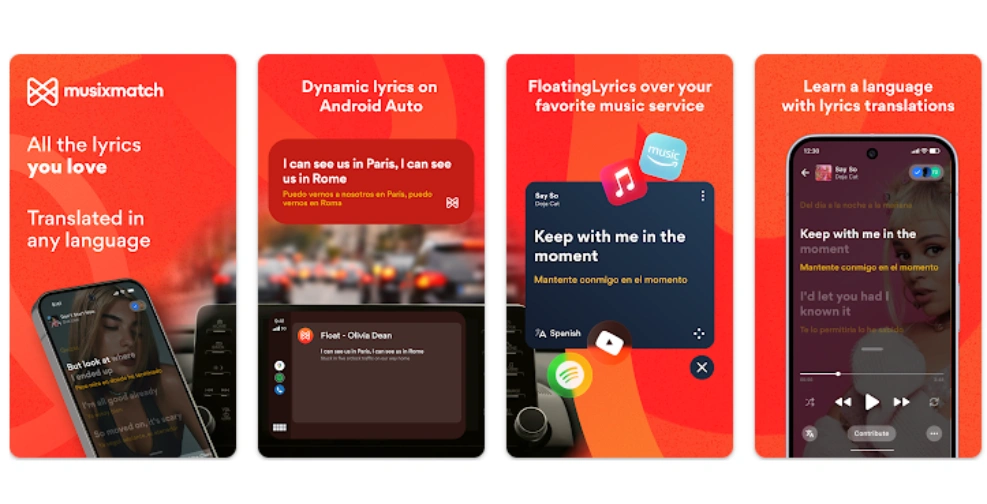
Musixmatch is a music platform best known for its lyrics-based experience. It features a catalog of over 14 million song lyrics in more than 80 languages, helping users discover, read, and translate lyrics while listening to music. The platform integrates with leading streaming services to deliver synchronized lyrics and create a more interactive music experience.
Why it stands out:
-
Real-time synced lyrics
-
Multi-language lyric support
-
Music discovery features
-
Interactive listening experience
Musixmatch highlights how adding unique features can improve engagement within music platforms. Businesses studying the cost to develop an app like Musixmatch lyrics can explore features like content synchronization, user interaction, and additional value beyond basic music streaming.
Best for: Users who enjoy singing along and exploring song meanings.
18. Boomplay
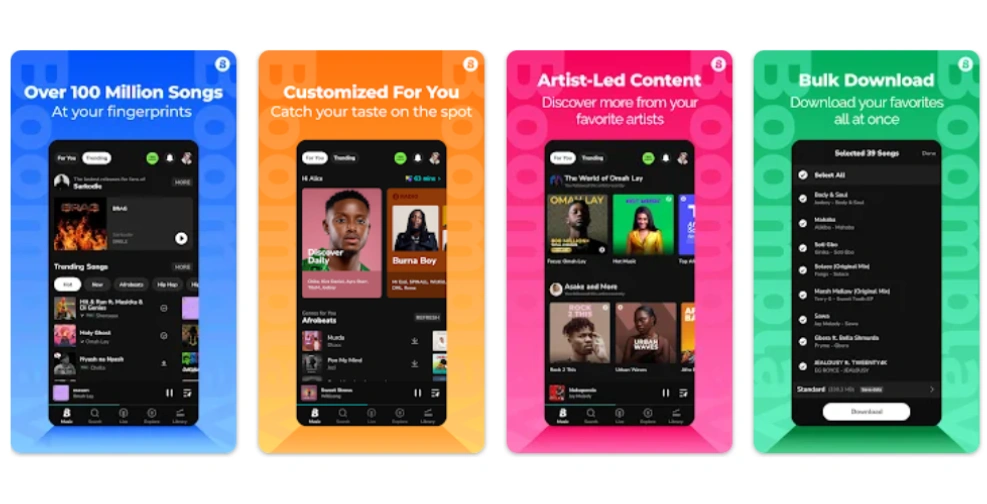
Boomplay is a popular music streaming platform with a strong presence across Africa. The platform serves over 95 million monthly active users and offers access to more than 100 million songs, including local and international music. It focuses on regional music discovery, affordable subscriptions, and strong partnerships with African artists and record labels.
Why it stands out:
-
Strong local music library
-
Artist promotion features
-
Offline listening options
-
Personalized recommendations
Boomplay shows how regional-focused platforms can build loyal audiences. Businesses planning to develop an app like Boomplay can learn from its approach to content localization, artist support, and user-focused streaming experiences.
Best for: Users looking for regional music and diverse global content.
The best music streaming apps in 2026 are competing through better personalization, unique content, audio quality, and smoother user experiences. While some platforms focus on music discovery, others stand out with premium sound, creator support, or regional content. The answer to the question, which app is best for streaming music? depends on user preferences, listening habits, and desired features.
What Makes a Music Streaming App Among the Best?’
A successful music streaming app requires more than a large music library. User experience, technology, innovation, and continuous improvements decide whether a platform can compete in the market.
These are the key factors that help a music streaming app deliver better experiences and achieve long-term growth. Businesses planning music streaming platform development should focus on these elements to build scalable, user-centric, and future-ready solutions.
1. Focus on Latest Industry Trends
The music industry keeps changing with new user expectations and technologies. Businesses need to follow music streaming app trends to create platforms that feel modern and relevant.
Personalization, smart discovery, and new engagement methods help apps compete with the top music streaming platforms while meeting evolving listener demands.
2. Smooth User Experience and Personalization
A great listening experience depends on simple navigation, fast performance, and relevant recommendations. Leading platforms focus on understanding user behavior and delivering personalized content.
This is why best music streaming services invest in better interfaces, smart playlists, and features that make music discovery easier for every listener.
3. AI-Powered Features and Smart Recommendations
Artificial intelligence is changing how users discover and interact with music. Platforms now use AI in music apps for recommendations, voice search, and content personalization.
Adding advanced capabilities through AI features for music streaming apps helps businesses improve engagement and deliver experiences based on individual listening patterns.
4. Strong Feature Set and Scalable Technology
A competitive music platform needs the right features supported by reliable infrastructure. Offline access, playlists, sharing, and multi-device support are among the important top music app features users expect today.
Besides, the performance, security and future expansion are managed by the incorporation of a powerful music streaming app tech stack.
5. Continuous Updates and Maintenance
User expectations continue changing after an app launch. Regular improvements, testing, and updates help maintain quality and performance.
Businesses exploring how to design a music streaming app should focus on building a flexible platform. It should support future feature upgrades, technical improvements, and long-term maintenance.
6. Strong User Retention Strategies
Building a loyal audience requires more than attracting downloads. Platforms need to create reasons for users to return through better experiences and engaging content.
Strong user retention in music apps depends on personalization, interaction, and understanding listener preferences over time.
A music streaming app becomes successful by balancing user experience, advanced technology, personalization, and continuous improvements. The leading platforms continue evolving with user needs while delivering seamless and engaging listening experiences.
Final Words
The music streaming industry continues to grow with changing user expectations and new technology advancements. Successful platforms are focusing on personalization, better experiences, and innovative features to stay competitive.
The best music streaming apps are not only built around large music libraries. They also deliver smooth performance, smart recommendations, and engaging user experiences.
For businesses planning to enter this market, understanding user needs and choosing the right development approach is important. A well-designed platform can create strong customer connections and long-term growth opportunities.
With the right features, technology, and continuous improvements, a music streaming app can stand out and build a strong position in this competitive digital space.
FAQs
Spotify, Apple Music, YouTube Music, Amazon Music, TIDAL, Deezer, and SoundCloud are among the most popular music streaming apps in 2026. Each platform offers unique features, making the right choice depend on your listening preferences, budget, and preferred devices.
Spotify, YouTube Music, Audiomack, and SoundCloud are excellent options for free music streaming. While free plans include advertisements and some feature limitations, they still provide access to large music libraries and personalized listening experiences.
TIDAL and Qobuz are widely recognized for delivering exceptional audio quality with high-resolution and lossless streaming options. Apple Music also offers Lossless Audio and Spatial Audio, making it a strong choice for listeners who value premium sound.
Spotify is widely known for helping users discover new music through personalized playlists, AI-powered recommendations, and curated mixes. YouTube Music and SoundCloud also make discovering emerging artists and trending tracks easy through their recommendation systems.
Choose a music streaming app based on your budget, preferred devices, audio quality, offline listening, and music discovery features. Comparing subscriptions, content libraries, and user experience helps you find the platform that best matches your listening habits.

Rahul Sukhwal is the CEO and Founder of JPLoft, a visionary technologist with 18+ years at the forefront of emerging tech innovation and software engineering. He channels deep software engineering and AI expertise into building smarter, scalable solutions that shape how forward-thinking businesses worldwide harness the true power of AI.


Share this blog