


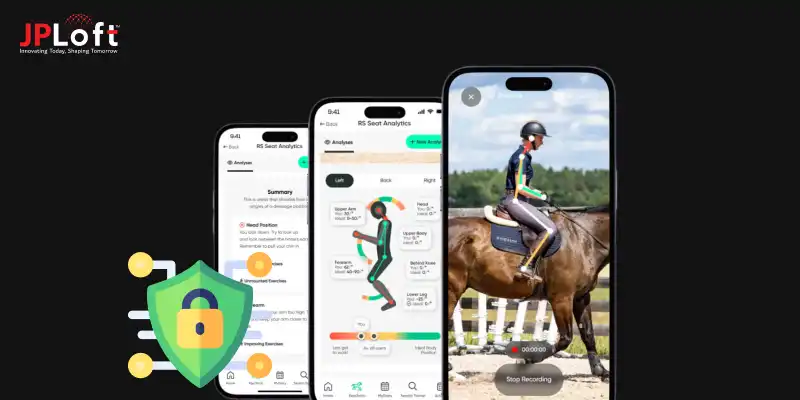
Key Takeaways
Equine app security is essential to protect sensitive data, prevent cyber threats, maintain user trust, and ensure reliable performance.
Common threats include data breaches, weak authentication, insecure APIs, and malware, which cause data loss and reputation issues.
Steps to secure equine app development include planning, encryption, authentication, testing, monitoring, and regular updates.
Best practices like strong authentication, encryption, regular testing, and monitoring help maintain high security standards.
AI and advanced technologies enhance security by detecting threats early, analyzing behavior, and automating monitoring.
Cost of mobile app security for equines is between USD 2,000 to USD 20,000+, depending on features and level of security required.
Choosing JPLoft ensures expert security solutions, advanced technologies, and reliable protection to build long-term success.
Recently, equine apps have been transforming how horse owners, trainers, and stable managers handle daily tasks. The market is currently worth USD 1.2 billion in the year 2025-2026, showing robust growth.
From health tracking to training schedules and payments, these apps store valuable and sensitive data. With growing usage comes a rising risk of cyber threats. A single security gap can expose user data, damage trust, and impact your business reputation.
That’s why following best equine app security practices to secure your app is not just an option, it has become a necessity.
Whether you are launching a new app or improving an existing one, solid security practices and a reliable mobile app development company must be part of the development process. Simple steps like data encryption, secure login systems, and regular updates can make a big difference.
In this blog, you will learn how to secure equine app from risks and ensure a safe experience for every user.
Why is Security Critical for Equine App?
A guide to secure an equine app is the backbone of any successful app. As these apps handle sensitive data and transactions, even small vulnerabilities can create serious risks.
Knowing why equine app cybersecurity matters helps you build a safer, more reliable platform that users can trust:
1. Protection of Sensitive User Data
Equine apps store personal details, payment data, and horse health records. Without proper security, this information can be exposed to hackers. Strong protection ensures user privacy, prevents data misuse, and builds confidence among horse owners, trainers, and stable managers using the app.
2. Building User Trust and Loyalty
Users trust apps that keep their information safe. A secure app builds long-term relationships by protecting user data and maintaining privacy. With equine app data privacy compliance, users feel confident about security. This likely keeps users continuing to use the app and recommending it to others.
3. Protection Against Cyber Attacks
Equine apps are vulnerable to threats like hacking, malware, and phishing. Without strong security, attackers can disrupt services or steal data. Implementing security practices by hiring mobile app developers with experience helps protect the app from these risks and ensures continuous, safe operation for users.
4. Safeguarding Business Reputation
A security breach can damage your brand image and reduce user trust. Negative experiences spread quickly and may lead to user loss. Keeping your equine app secure protects your reputation and ensures your business remains reliable and trusted in the market.
5. Compliance with Data Protection Regulations
Following equine app data privacy compliance for data protection helps to avoid legal issues. Proper security measures help meet compliance standards and prevent penalties. Following regulations also shows that your business values user privacy and operates responsibly in handling sensitive information.
6. Prevention of Financial Loss
Many equine app features include payment for services, bookings, or subscriptions. Weak security can lead to fraud, unauthorized transactions, or data theft. Securing your app helps avoid financial losses for both users and businesses while ensuring safe and smooth transactions.
With best practices to secure an equine app, you can deliver reliable performance, meet compliance needs, and maintain a strong reputation in the market. Now that we know the importance of security, it is equally important to identify the common threats that can put your equine and user data at risk.
Common Security Threats in Equine Apps
Every equine app faces hidden security risks that can disrupt operations and compromise user data. Knowing about these threats is the first step toward protection
Let's explore the most common equine app security threats and the risks they bring to your app and users:
A. Data Breaches
Data breaches occur when unauthorized users gain access to sensitive information such as user profiles, horse medical records, and payment details. This often happens due to weak security controls, poor encryption, or system vulnerabilities.
Risk: This can lead to identity theft, financial fraud, and loss of user trust. It may also result in legal penalties and long-term damage to your app’s credibility.
B. Insecure Payment Gateways
Insecure payment systems may lack proper encryption or compliance with payment standards. This makes financial transactions vulnerable to interception or manipulation during processing, especially when security protocols are not properly implemented.
Risk: This can result in financial losses, chargebacks, and reduced user confidence in your app’s payment system.
C. Malware and Ransomware Attacks
Malware can enter the app through unsafe downloads, infected links, or compromised integrations. Ransomware can lock systems or data until payment is made. These attacks can spread quickly if security measures are weak.
Risk: Attackers can lock systems, steal data, or demand ransom, leading to service disruption and financial loss for the business.
D. Phishing Attacks
Phishing involves fake emails, messages, or links that trick users into sharing login details or sensitive information. These attacks often appear legitimate and target users who are unaware of such tactics.
Risk: Stolen credentials can lead to account takeovers, data misuse, and unauthorized transactions within the app.
E. Lack of Data Encryption
When sensitive data is not encrypted during storage or transmission, it becomes easier for attackers to read and misuse it. This includes personal data, financial information, and health records of horses.
Risk: Sensitive information can be exposed during transmission, leading to privacy violations and compliance issues.
F. Unsecured Third-Party Integrations
Equine apps often rely on third-party services for payments, analytics, or communication. If these services are not secure, they can introduce vulnerabilities into the system and expose sensitive data indirectly.
Risk: A breach in a third-party service can expose your app’s data, creating vulnerabilities beyond your direct control.
By identifying risks early and applying strong equine app security measures, you can protect user data and prevent financial losses. Hire dedicated developers to ensure a safe and reliable experience that builds long-term user trust. The next step is to learn how to prevent them with a structured security approach.

Step-by-Step Process to Secure Your Equine App
Following an equine app security guide is not just a one-time task. It is an ongoing process that starts from development and continues even after launch. By following a structured approach, businesses can reduce risks and protect both user data and app performance.
Follow the steps of the top equine app security practices to build a strong, secure app:
Step 1: Conduct a Detailed Risk Assessment
Start your app security by identifying all possible security risks in your equine app. Analyze how data flows, where it is stored, and who can access it. This helps uncover weak points early and allows you to prioritize security efforts based on real threats.
Step 2: Design a Secure App Architecture
Build your app with a security-first architecture. Separate critical components like databases, APIs, and user interfaces. Use secure frameworks and follow proven equine app design principles to reduce vulnerabilities and ensure that one compromised layer does not affect the entire system.
Step 3: Implement Data Minimization Techniques
Collect only the data that is necessary for your app to function. Avoid storing excessive personal or financial information. By reducing the amount of stored data, you lower the chances of exposure and make your mobile app security for equine less attractive to attackers.
Step 4: Set Up Secure Session Management
Ensure that user sessions are properly managed with timeouts and secure tokens. Automatically log users out after inactivity and prevent multiple unauthorized sessions. This reduces the risk of session hijacking and keeps user accounts protected during active usage.
Step 5: Apply Input Validation and Data Sanitization
Validate all user inputs to prevent malicious data from entering your system. Use filters and validation rules to block harmful scripts or commands. This protects your equine app idea from common attacks like injection and ensures that only safe data is processed.
Step 6: Enable Logging and Audit Trails
To proceed further with how to secure equine app, maintain detailed logs of user activities, system changes, and access attempts. Audit trails help track suspicious behavior and identify the source of potential threats. This also supports faster investigation and response in case of a security incident.
Step 7: Integrate Secure Cloud Practices
If your equine app uses cloud services, configure them securely. Use access controls, encryption, and monitoring tools provided by cloud platforms. Proper cloud security ensures that your data remains protected even when stored or processed remotely.
Step 8: Establish an Incident Response Plan
Prepare a clear plan to handle security breaches or attacks. Define roles, actions, and communication steps in advance. A strong equine app cybersecurity strategy helps minimize damage, recover quickly, and maintain user trust during unexpected security incidents.
Step 9: Perform Regular Backup and Recovery Testing
Create frequent backups of your app data and test recovery processes. Ensure backups are stored securely and can be restored quickly. App testing protects your business from data loss caused by cyber attacks, system failures, or accidental deletion.
Step 10: Continuously Improve Security Measures
Security is an ongoing process that requires regular updates and improvements. Monitor new threats, update your strategies, and upgrade tools when needed. Continuous improvement ensures your equine app stays protected against evolving cyber risks and challenges.
By following these steps, businesses can create an equine app that protects user data, ensures smooth performance, and builds trust. After exploring the process of securing your equine app, let’s now look at the cost involved in implementing these security measures.
Cost of Securing an Equine App
The cost to secure an equine app ranges between USD 2,000 and USD 20,000+. To secure equine app development, it involves multiple layers, such as encryption, authentication, monitoring, and regular testing. The actual cost depends on the complexity and features, which further add to the total equine app development cost.
Below is a breakdown of key equine app cybersecurity components and their estimated costs:
|
Security Component |
Estimated Cost (in USD) |
How It Impacts Cost |
|
Secure Architecture & Planning |
$500 – $2,000 |
Involves risk assessment and designing a secure app structure from the start. |
|
Data Encryption Implementation |
$500 – $2,500 |
Secures data in transit and storage using standard encryption protocols. |
|
Authentication & Access Control |
$400 – $2,000 |
Includes multi-factor authentication, role-based access, and login security. |
|
Secure API Development |
$500 – $3,000 |
Protects data exchange between systems and third-party integrations. |
|
Payment Security Integration |
$500 – $3,500 |
Ensures safe transactions using secure payment gateways and compliance standards. |
|
Security Testing & Audits |
$1,000 – $4,000 |
Includes penetration testing and vulnerability assessments to find risks. |
|
AI-Based Threat Detection |
$1,500 – $5,000 |
Uses AI tools to detect unusual activity and prevent cyber threats. |
|
Monitoring & Incident Response |
$500 – $2,500 |
Real-time tracking and alert systems for quick threat response. |
|
Regular Updates & Maintenance |
$300 – $1,500/year |
Covers security patches, updates, and ongoing protection. |
Cost to Secure App Based on App Complexity
Below, we have estimated the cost to secure an app for equines based on the security requirements complexity:
-
Basic Security Setup (in USD): $2,000 – $7,000
-
Mid-Level Security Implementation (in USD): $7,000 – $15,000
-
Advanced Security with AI & Automation (in USD): $15,000 – $20,000+
Investing in security may seem costly, but it is far less expensive than dealing with data breaches or loss of user trust. A properly secured equine app ensures safe operations, protects sensitive data, and builds reliability. But applying the right strategies and top equine app security practices that truly ensure protection.
Best Practices for Equine App Security
Keeping your equine app secure requires more than basic protection. It demands a proactive approach with smart strategies and regular updates.
By following the below proven best practices to secure an equine app, which can protect user data, reduce risks, and deliver a safe, reliable experience:
[1] Use Strong Authentication Methods
Implement multi-factor authentication and enforce strong password rules. Add features like biometric login or OTP verification. This makes it harder for unauthorized users to access accounts and protects sensitive data stored within your equine app.
[2] Encrypt Data at All Levels
Ensure all sensitive data is encrypted both during transmission and storage. Use trusted encryption protocols to secure user details, payment data, and horse records. Encryption prevents attackers from reading or misusing data even if they gain access.
[3] Secure APIs and Third-Party Services
Protect all APIs with authentication tokens and limit access permissions. One of the other top equine app security practices is to regularly audit third-party integrations to ensure they meet security standards. This prevents external vulnerabilities from affecting your app and keeps data exchange safe.
[4] Perform Regular Security Testing
Conduct frequent vulnerability scans and penetration testing to identify risks. Fix issues quickly before they can be exploited. Continuous testing helps maintain a high level of security and prepares your app against evolving cyber threats.
[5] Keep Systems and Libraries Updated
Always update your app, frameworks, and third-party tools. Apply equine app security patches without delay. Outdated systems are easy targets for hackers, so staying updated ensures better protection and improves overall app performance.
[6] Implement Role-Based Access Control
Limit user access based on roles and responsibilities. Ensure users can only access the data they need. This reduces the chances of data misuse and adds an extra layer of control within your equine app.
[7] Monitor App Activity in Real Time
Use monitoring tools to track unusual behavior such as repeated login attempts or suspicious data access. Early detection helps prevent attacks and allows a quick response to potential security threats, according to a guide to secure an equine app.
[8] Backup Data Regularly
Maintain secure and regular backups of your app data. In case of a cyber attack or system failure, backups help restore data quickly. This ensures business continuity and reduces the impact of data loss.
By following these best equine app security practices, you can strengthen the security of your equine app and protect valuable data. Leveraging AI and advanced technologies takes protection to the next level with smarter and proactive threat management.
Role of AI and Advanced Technologies in Equine App Security
Modern equine apps handle sensitive data and complex operations, making advanced security essential and becoming the latest equine app development trends. Technologies like AI/ML and automation help detect threats early, improve response time, and strengthen overall protection.
Let's look at how these technologies enhance mobile app security for equine apps, reduce manual effort, and improve accuracy:
► AI Threat Detection
AI in equine app security can analyze large volumes of data in real time to identify unusual patterns or suspicious activities. It detects threats that traditional systems may miss. This helps prevent data breaches, unauthorized access, and system misuse before they cause serious damage.
► Machine Learning for Behaviour Analysis
Machine learning studies user behavior over time, such as login habits and usage patterns. If any unusual activity occurs, the mobile app security for equine can flag or block it instantly. This reduces the risk of account takeovers and ensures that only genuine users access the equine app.
► Predictive Risk Analysis
Advanced technologies like AI in equine apps can predict potential security risks before they occur. By analyzing historical data and trends, AI can identify weaknesses in the system. This allows businesses to fix vulnerabilities early and stay ahead of possible cyber threats.
► Automated Security Monitoring
Automation tools continuously monitor app activity without human intervention. They track system performance, login attempts, and data access in real time. This equine app cybersecurity ensures faster threat detection and enables immediate action, reducing the risk of major security incidents.
► Biometric Authentication
Technologies like fingerprint scanning and facial recognition add an extra layer of security. These methods are harder to bypass compared to passwords. They improve user authentication and reduce the risk of unauthorized access to sensitive equine app data.
► Smart Alerts and Incident Response
Smart alerts of AI in equine app security systems can send instant alerts when a potential threat is detected. They can also trigger automated responses such as blocking access or logging out users. This quick action minimizes damage and keeps the app secure at all times.
► Blockchain for Data Security
Blockchain technology can be used to store and manage data securely. It creates tamper-proof records that cannot be easily altered or hacked. This ensures transparency, data integrity, and higher trust levels among users of the equine app.
By using the best equine app security practices like AI and advanced technologies, it can move from reactive security to proactive protection. These tools help businesses stay prepared, protect user data, and deliver a safe and reliable digital experience.

Why Choose JPLoft to Secure Your Equine App?
Getting started with how to build a secure equine marketplace app requires the right expertise, proven strategies, and a deep understanding of modern security challenges. JPLoft stands out as a trusted technology partner that delivers reliable and scalable app security solutions tailored to your business needs.
With years of experience in building secure digital products, the team focuses on protecting sensitive data while ensuring smooth app performance. JPLoft, a custom equine app development company, follows a security-first approach from the initial stage of development.
Our experts implement advanced measures such as data encryption, secure authentication, and API protection to safeguard your app from potential threats. We conduct regular security audits and testing to identify and fix vulnerabilities before they become serious issues.
What makes JPLoft a strong choice is its ability to combine advanced technologies like AI-based threat detection with practical security practices. This ensures your equine app stays protected against evolving cyber risks.
By choosing JPLoft, you get a dedicated team that prioritizes your app’s safety, builds user trust, and supports long-term business growth with a secure and reliable solution.
Conclusion
Following an equine app security guide is not an optional task nowadays. With sensitive user data, financial transactions, and horse health records, strong security measures are essential for long-term success.
From applying encryption and secure authentication to using AI-driven threat detection, each plays a key role in protecting the app. A proactive approach of how to secure equine app reduces the risk of cyberattacks and also builds trust among users.
When people feel confident that their data is secure, they are more likely to engage with the app and be loyal. Regular updates, continuous monitoring, and user awareness further strengthen the app’s security.
Investing in security may require time and budget, but it prevents bigger losses in the future. By following best practices and adopting advanced technologies, businesses can create a safe, reliable, and scalable equine app that delivers a seamless user experience.
FAQs
Secure an equine app by using strong authentication, encrypting data, protecting APIs, and integrating secure payment systems. Regular testing, updates, and monitoring are also essential. Following secure coding practices and educating users further helps protect the app from potential cyber threats.
Common threats include data breaches, weak authentication, insecure APIs, malware attacks, phishing, and a lack of encryption. These vulnerabilities can expose sensitive data, allow unauthorized access, and disrupt app functionality, leading to financial loss and damage to user trust.
Security is important to protect sensitive user data, prevent financial fraud, and maintain trust. A secure app ensures safe transactions, avoids legal issues, and protects business reputation. It also helps provide a reliable and smooth experience for all users.
The cost to secure an equine app typically ranges from USD 2,000 to USD 20,000+. It depends on app complexity, features, security level, and integrations. Advanced security measures like AI monitoring can further increase the overall cost.
AI and advanced technologies improve security by detecting threats in real time, analyzing user behavior, and automating monitoring. They help identify risks early, prevent fraud, and respond quickly to attacks, ensuring stronger and more proactive protection for equine apps.

Kris Jacobs brings 20+ years of experience in digital product strategy, user-focused design, and solving complex product challenges. She has worked across on-demand services, travel, entertainment, sports, insurance, education, and service marketplaces, including handyman, dog-walking, courier, event-management, and equine platforms. Her focus is on shaping practical, scalable digital experiences that align user needs with business goals and long-term product growth.





Share this blog