


Key Takeaways
Restaurant menu management software streamlines menu updates, pricing, and availability across POS systems, websites, and delivery platforms efficiently.
AI-powered features analyze customer behavior, optimize menus, and improve revenue through data-driven recommendations and predictive insights.
Multi-location control ensures consistency in pricing, promotions, and menu items across all outlets for stronger brand management.
Custom software development allows flexibility, scalability, and tailored features to match unique restaurant workflows and operational requirements.
Following best practices, including security, usability, and continuous updates, ensures long-term system efficiency and seamless operational performance.
Partnering with an experienced development team like JPLoft guarantees scalable, robust, and future-ready solutions supporting growth and innovation.
The restaurant industry is evolving faster than ever, and digital transformation is no longer optional.
From dynamic pricing to real-time inventory syncing, technology is reshaping how menus are created, updated, and optimized.
This is where restaurant menu management software development becomes a strategic investment rather than just a technical upgrade.
Modern restaurants need centralized control over pricing, ingredients, availability, and promotions across multiple platforms.
Whether you operate a single outlet or a multi-location chain, the right system ensures consistency, accuracy, and better customer experiences.
With rising competition and delivery-driven demand, investing in menu management software development helps restaurants stay agile, data-driven, and future-ready.
In this complete guide, we’ll break down everything you need to know, from features and benefits to development steps and cost considerations.
Understanding Restaurant Menu Management Software
At its core, restaurant menu management software is a digital solution that allows foodservice businesses to design, update, and distribute menus from a centralized platform.
Whether you’re updating prices, adjusting item availability, or tailoring offerings by location, this system streamlines what was once a manual, error-prone process.
Today’s operators use it to improve accuracy across POS systems, digital menus, and delivery platforms while aligning menus with real-time inventory and customer preferences.
As technology becomes more integral to daily operations, learning how to build a modern restaurant management system is essential for restaurants aiming to stay efficient, data-driven, and competitive in an increasingly digital landscape.
Key Data Stats & Insights
-
The global restaurant management software market is estimated to be worth around USD 7.49 billion in 2026 and is projected to nearly double by 2031 as adoption accelerates across all restaurant formats.
-
From 2026 to 2031, this market is expected to grow at a CAGR of about 14.52%, indicating robust demand for integrated operations solutions.
-
North America remains a leading region, reflecting high digital adoption, while Asia-Pacific restaurants show one of the fastest uptake rates, especially for cloud and mobile-first solutions.
-
By 2032, industry forecasts project the overall segment to reach above USD 15 billion globally, highlighting expanding opportunities as restaurants embrace automation and real-time insights.
These insights show that digital menus and integrated operational software have moved beyond experimentation and are now core tools for efficiency, customer experience, and competitive advantage.
Types of Restaurant Menu Management Software
Restaurant menu systems aren’t one-size-fits-all. Depending on operational scale, service model, and growth vision, businesses can choose or develop a custom software solution tailored precisely to their needs.
Below are the different types of restaurant menu management software available for modern food businesses:
Type 1: Cloud-Based Menu Management Software
Cloud-based systems allow restaurants to manage menus centrally and update items in real time across POS systems, websites, and delivery platforms.
Ideal for multi-location brands, they simplify pricing control, inventory syncing, and performance tracking without heavy infrastructure investments.
Type 2: On-Premise Menu Management Software
On-premise solutions are hosted locally on restaurant servers, offering complete control over data security and system customization.
They are suitable for restaurants with strict compliance needs, limited internet reliability, or businesses preferring internal IT management structures.
Type 3: POS-Integrated Menu Management Systems
These systems integrate directly with point-of-sale platforms, ensuring menu updates are instantly reflected during billing and order processing.
They reduce pricing discrepancies, improve checkout efficiency, and maintain synchronization between front-of-house operations and kitchen workflows.
Type 4: AI-Driven Menu Optimization Software
Built around AI-powered restaurant menu software development, these systems analyze sales patterns, ingredient performance, and customer preferences to suggest profitable pricing and placement strategies.
They support upselling, dynamic pricing, and predictive demand forecasting for data-backed decision-making.
Type 5: QR Code & Digital Menu Platforms
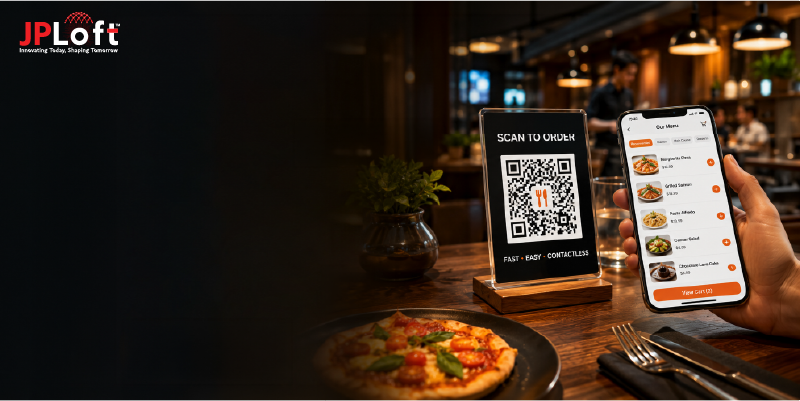
Designed for contactless dining, QR-based systems allow guests to access menus via smartphones.
They enable real-time edits, multilingual options, promotional banners, and seamless integration with online ordering systems to enhance convenience and customer engagement.
Type 6: Multi-Channel Delivery Menu Management Software
These platforms synchronize menus across food aggregators, mobile apps, and websites.
Often built through on-demand restaurant menu software development, they prevent item mismatches, automate availability updates, and help restaurants manage promotions consistently across third-party marketplaces.
Type 7: Enterprise-Level Smart Menu Systems
Enterprise solutions focus on scalability, analytics, and centralized governance for large restaurant chains.
Through smart restaurant menu system development, brands can manage regional variations, dynamic pricing, compliance standards, and performance dashboards from a unified control center.
When selecting the right solution, partnering with an experienced restaurant management software development company ensures your menu system aligns perfectly with operational goals and long-term scalability plans.
Benefits of Restaurant Menu Management Software
A modern menu system does far more than display food items. It becomes a central control hub that connects operations, inventory, pricing, and customer experience seamlessly.
Here are the key benefits of restaurant menu management software.
A. Real-Time Menu Updates
Restaurants can instantly update prices, item availability, or descriptions across POS systems, websites, and delivery platforms.
This eliminates manual errors, prevents outdated listings, and ensures customers always see accurate information, improving operational consistency and customer satisfaction significantly.
B. Improved Operational Efficiency
When restaurants develop restaurant menu management software, they streamline workflows between the kitchen, inventory, and billing systems.
Integrated software development services ensure automation, reduce manual intervention, minimize order discrepancies, and accelerate service speed across single and multi-location restaurant operations.
C. Centralized Multi-Location Control
For restaurant chains, centralized dashboards allow managers to control menus across all outlets from one platform.
This consistency strengthens brand identity, simplifies pricing adjustments, and reduces the complexity of managing region-specific variations or promotional campaigns.
D. Data-Driven Decision Making
Through advanced analytics embedded during menu management software development, restaurants gain insights into top-performing dishes, seasonal trends, and profit margins.
These actionable insights help optimize menu engineering, improve upselling strategies, and maximize overall revenue generation effectively.
E. Better Inventory Synchronization
Integrated systems automatically adjust menu availability based on stock levels.
This prevents overselling, reduces food wastage, and enhances kitchen efficiency while maintaining customer trust through reliable order fulfillment and transparent item availability management.
F. Enhanced Customer Experience
Digital menus enable personalized recommendations, dynamic pricing, and interactive displays.
When businesses build restaurant menu management software strategically, they create smoother ordering journeys, faster service, and tailored promotions that increase repeat visits and long-term customer loyalty.
G. Scalability and Future Readiness
As restaurants expand, menu systems scale effortlessly to support new locations, delivery channels, and evolving technologies.
A well-architected solution ensures flexibility, seamless upgrades, and adaptability to changing market demands without operational disruptions.
Ultimately, investing in the right menu management solution empowers restaurants to operate smarter, serve faster, and grow sustainably in an increasingly competitive market.
Key Features of Restaurant Menu Management Software
A powerful menu system is built on functionality and custom software features that simplify operations while improving accuracy and performance.
The right feature set determines how effectively restaurants manage updates, analytics, and customer interactions.
These are the key features of restaurant menu management software.
1. Centralized Menu Dashboard
A centralized dashboard allows operators to manage pricing, descriptions, images, and availability from one interface.
During restaurant menu management software development, this feature ensures seamless synchronization across POS systems, websites, mobile apps, and third-party delivery platforms.
2. Real-Time Inventory Integration
This feature automatically updates menu availability based on ingredient stock levels.
It reduces overselling, minimizes waste, and improves kitchen coordination by linking inventory data directly to menu listings, ensuring customers only see items currently available.
3. AI-Based Menu Optimization
Built through AI-powered restaurant menu software development, this feature analyzes purchasing behavior, seasonal trends, and profit margins to uncover actionable insights.
It then recommends strategic pricing, optimized dish placement, and promotional bundles, helping restaurants maximize revenue while delivering more personalized customer experiences.
4. Multi-Location Menu Control
For restaurant chains, multi-location control enables region-specific pricing, language customization, and promotional variations.
It ensures brand consistency while providing flexibility to adapt menus according to local demand patterns and compliance requirements.
5. Role-Based Access Management
This feature allows administrators to assign permissions based on staff roles, maintaining data security and operational discipline.
It prevents unauthorized changes, enhances accountability, and supports smooth collaboration between management, marketing teams, and kitchen staff.
6. Customization & Scalability
Through custom restaurant menu management software development, businesses can tailor workflows, integrations, and interface designs to match unique operational needs.
Scalable architecture also helps overcome common software development challenges, ensuring long-term flexibility and future system upgrades.
7. Analytics & Reporting Tools
Advanced reporting tools provide insights into item performance, peak ordering times, and customer preferences.
These analytics support data-driven decisions, enabling restaurants to refine pricing strategies, reduce waste, and improve overall operational efficiency consistently.
Together, these features create a smart, adaptable system that transforms menu management from a routine task into a strategic growth driver.
How to Build A Restaurant Menu Management Software?
Building a powerful menu management system requires careful planning, strategic development, and long-term scalability considerations.
A structured roadmap ensures technical stability, user satisfaction, and business growth alignment.
Follow this step-by-step process to build restaurant menu management software successfully.
Step 1: Define Business Requirements and Objectives
Understanding business goals and operational workflows is the foundation of successful restaurant menu software planning.
► Analyze Restaurant Operations
Study kitchen workflows, inventory cycles, POS integrations, and delivery dependencies.
Clear documentation prevents confusion during development and ensures the final solution aligns with daily restaurant operations and long-term scalability requirements.
► Identify Target Users
Define primary users, including restaurant owners, managers, kitchen staff, and customers.
Understanding user behavior helps design intuitive dashboards, access levels, and customer-facing interfaces that enhance usability and overall operational efficiency.
► Finalize Feature Scope
Outline must-have and advanced features such as inventory sync, analytics dashboards, AI recommendations, and multi-location control.
This structured approach simplifies decisions when planning how to build restaurant menu management software effectively.
Step 2: Plan System Architecture and Technology Stack
Selecting the right technical foundation ensures performance, scalability, and seamless integration across platforms and devices.
► Choose Cloud or On-Premise Infrastructure
Decide between cloud-based scalability or on-premise control depending on budget, compliance requirements, and operational complexity.
Cloud systems offer flexibility, while on-premise solutions provide complete internal control over data management.
► Select Development Frameworks
Choose robust frontend and backend technologies that support real-time updates, API integrations, and analytics processing.
The right frameworks directly influence how to develop restaurant menu management software efficiently and sustainably.
► Design Database Structure
Create a structured database supporting menu items, pricing, inventory mapping, and analytics tracking.
Clean architecture prevents data redundancy and ensures high-speed performance even as restaurants scale operations.
Step 3: Design UI/UX for Efficiency
User-friendly design determines how easily teams and customers interact with the system daily.
► Build Admin Dashboard
Create an intuitive dashboard for menu edits, price changes, promotional banners, and analytics access.
Clear navigation reduces training time and improves operational control across single or multi-location restaurant businesses.
► Optimize Customer Interface
Develop responsive digital menus with QR support, smart recommendations, and multilingual capabilities.
A seamless interface improves engagement and helps restaurants understand how to build menu software for restaurants that enhances customer satisfaction.
► Test Usability Flows
Conduct usability testing with real staff and customers to identify navigation gaps.
Refinements at this stage ensure the product remains intuitive and practical for real-world restaurant environments.
Step 4: Develop Core Features and Integrations
This stage focuses on turning plans into functional modules with secure integrations.
► Integrate POS and Inventory
Enable real-time synchronization between POS systems and inventory databases.
Accurate updates prevent overselling, reduce waste, and strengthen operational coordination between kitchen and front-of-house teams.
► Implement Analytics and Reporting
Embed analytics modules to track item performance, seasonal trends, and profitability.
Data-driven insights simplify decisions when teams explore how to create a restaurant menu management system strategically.
► Add Security and Access Controls
Implement encryption, role-based permissions, and secure APIs to protect operational data.
Strong security architecture ensures safe expansion as businesses build restaurant menu management software for larger audiences.
Step 5: Develop the Restaurant Menu Management Software
This phase transforms planning and design into a fully functional and scalable restaurant menu management solution.
► Hire Technical Experts
Partner with experienced engineers or hire dedicated developers who understand restaurant workflows, cloud architecture, and scalable system design.
Skilled professionals ensure efficient coding practices, seamless integrations, and optimized database structures while reducing development risks and accelerating delivery timelines.
► Follow Agile Development Process
Adopt sprint-based development cycles with regular reviews and iterative improvements.
An agile methodology ensures flexibility, faster feature releases, and continuous stakeholder feedback throughout the restaurant menu management software development lifecycle.
► Conduct Continuous Testing
Perform unit testing, integration testing, and performance testing regularly.
Ongoing quality assurance strengthens system stability, prevents functional errors, and ensures a reliable product ready for deployment in real-world restaurant environments.
Step 6: Deployment, Optimization, and Maintenance
Launch preparation and ongoing improvements ensure long-term performance and growth.
► Perform Final Quality Checks
Conduct system audits, stress tests, and security validation before launch. Proper evaluation guarantees stability and user confidence at release.
► Deploy and Monitor Performance
After launch, monitor performance metrics, server loads, and user feedback.
Continuous tracking refines system stability and answers critical concerns about how to develop restaurant menu management software effectively.
► Plan Regular Updates
Introduce periodic feature enhancements, AI upgrades, and scalability improvements.
A proactive update strategy helps stakeholders confidently understand how to build restaurant menu management software that evolves with industry demands.
By following these structured steps, restaurants can confidently move from concept to launch while ensuring long-term operational success and scalability.
Cost To Build A Restaurant Menu Management Software
The cost to build a restaurant menu management software typically ranges from $25,000 to $80,000, depending on complexity, features, and integrations.
Factors such as design, functionality, and technology choice significantly impact the final investment.
[1] Key Factors Affecting Cost
- Feature Complexity: Advanced analytics, AI recommendations, multi-location support, and custom workflows increase the cost.
- Platform Choice: Cloud-based systems provide flexibility, while on-premise solutions require dedicated infrastructure.
- Design & User Experience: Interactive menus, mobile optimization, and intuitive dashboards demand higher design investment.
- Third-Party Integrations: POS systems, inventory management, and delivery platforms influence pricing.
- Ongoing Maintenance: Security updates, performance optimization, and regular enhancements add to annual expenses.
When planning your budget, understanding the cost to create restaurant software helps align expectations with operational goals. This also ensures you don’t overspend on features that aren’t immediately necessary.
[2] Development Type & Cost Estimates
|
Component |
Estimated Cost (USD) |
Notes |
|
Basic Menu System |
$10,000–$15,000 |
Core menu management, pricing updates, and simple POS integration |
|
Advanced Features |
$15,000–$35,000 |
AI recommendations, analytics dashboards, multi-location support |
|
Mobile & Digital Menus |
$5,000–$10,000 |
QR code menus, responsive design, customer-facing interface |
|
Integrations |
$5,000–$10,000 |
POS, inventory, and delivery platform synchronization |
|
Maintenance & Updates |
$3,000–$5,000/year |
Security patches, feature enhancements, and performance monitoring |
Considering the custom software development cost ensures transparency and prevents unforeseen expenditures during development. Businesses can tailor the system to their exact requirements without exceeding the budget.
[3] Timeline & Effort
Depending on feature complexity, how long does it take to develop restaurant menu software ranges from 3 to 6 months. AI-enabled systems or multi-location operations may extend development time.
Proper budgeting guarantees that when restaurants develop restaurant menu management software, the solution is scalable, efficient, and aligned with business growth strategies.
USP for a Successful Restaurant Menu Management Software
A successful restaurant menu management software must combine operational efficiency, customer engagement, and data-driven insights.
USPs distinguish high-performing systems from standard solutions, ensuring measurable business growth and improved guest satisfaction.
Here are the key USPs of a restaurant menu management software.
1. Real-Time Menu Updates
A system enabling instant menu edits across POS, apps, and delivery platforms enhances accuracy.
Errors are minimized, and customers always see updated, consistent information without delays or manual intervention.
2. AI-Powered Insights
Advanced analytics powered by AI in software development provide actionable recommendations for pricing, promotions, and inventory.
Restaurants can optimize menus, reduce waste, and maximize revenue using predictive data and intelligent suggestions.
3. Multi-Location Consistency
A platform supporting multiple outlets ensures uniform pricing, promotions, and menu structure.
Smart restaurant menu system development allows centralized control, keeping brand standards consistent across all restaurant branches effortlessly.
4. Customer Engagement Features
Digital menus, interactive interfaces, and personalized recommendations improve customer experience.
Features like QR code access and loyalty integration encourage repeat visits and higher order values consistently.
5. Scalability and Flexibility
Flexible systems accommodate new outlets, menu changes, and seasonal promotions.
On-demand restaurant menu software development ensures restaurants can expand or modify operations without technical bottlenecks or disruptions.
6. Seamless Integrations
Top-tier software integrates with POS, inventory, and third-party delivery platforms.
Synchronization prevents discrepancies, simplifies operations, and allows managers to focus on strategic decision-making rather than manual updates.
7. Data Security and Compliance
Role-based access and secure encryption protect sensitive business and customer data.
Compliance features help meet regional regulations while maintaining operational transparency and secure information flow across the system.
With these USPs, restaurants can leverage menu management software to drive efficiency, enhance customer satisfaction, and maintain a competitive advantage in a fast-evolving market.
Best Practices in Restaurant Menu Management Software Development
Following industry best practices ensures restaurant menu management software is reliable, efficient, and scalable.
Adhering to standards improves usability, operational performance, and customer satisfaction while reducing errors and long-term technical challenges.
Here are the key best practices to follow.
1. Conduct Detailed Requirement Analysis
Before development, gather all operational needs, user roles, and menu complexities.
Proper analysis guides restaurant menu management system development. Many businesses hire software developers during this phase to prevent costly changes and align systems with real-world restaurant workflows accurately.
2. Choose Scalable Architecture
Design software to accommodate future growth, multi-location outlets, and increased menu items.
Scalable systems reduce downtime, support new features, and make menu management software development sustainable as business requirements evolve.
3. Focus on User-Friendly Design
Intuitive dashboards, mobile-friendly interfaces, and clear navigation reduce staff training time.
A user-centric approach ensures that AI-powered restaurant menu software development provides efficient workflows and smooth customer interactions consistently.
4. Integrate Real-Time Inventory Management
Linking inventory directly with menu items prevents overselling and food waste.
Accurate synchronization ensures kitchens operate efficiently while keeping menu updates aligned with actual ingredient availability seamlessly.
5. Prioritize Security and Access Control
Implement role-based permissions, encryption, and secure APIs.
Protecting sensitive operational and customer data maintains trust, prevents breaches, and ensures compliance with industry regulations and data privacy requirements.
6. Implement Continuous Testing
Conduct unit, integration, and performance tests throughout development.
Early detection of bugs ensures reliability, enhances stability, and supports smoother deployment for both front-of-house and kitchen management operations.
7. Plan for Regular Updates and Maintenance
Schedule software updates, feature enhancements, and performance optimizations.
Continuous improvement keeps the system aligned with market trends, operational needs, and evolving customer expectations effectively.
Adhering to these best practices ensures restaurants achieve operational excellence, enhance customer experience, and maximize ROI with a robust and future-ready menu management system.
Why Partner With JPLoft for Restaurant Menu Management Software?
Partnering with the right team ensures your menu system is efficient, scalable, and tailored to your restaurant’s needs.
JPLoft excels in delivering robust restaurant menu management software development solutions.
Our experts understand how to develop restaurant menu management software that integrates seamlessly with POS, inventory, and delivery platforms.
They focus on intuitive interfaces, real-time updates, and AI-powered insights to optimize operations and enhance customer experience.
As a trusted restaurant app development company, JPLoft combines industry expertise, technical skills, and best practices to ensure successful project delivery.
We provide ongoing support, regular updates, and scalable solutions to accommodate future growth, helping restaurants stay competitive.
With JPLoft, restaurants gain a reliable technology partner who ensures operational efficiency, improved customer satisfaction, and measurable business outcomes through advanced, customized menu management solutions.
Conclusion
Investing in the right technology is crucial for modern restaurants to stay competitive and efficient. Restaurant menu management software development transforms manual operations into automated, data-driven workflows.
A well-designed system ensures accurate pricing, real-time inventory updates, and consistent menus across multiple outlets. It enhances customer experience while reducing errors and operational inefficiencies.
Advanced features like AI-powered recommendations, analytics dashboards, and multi-location control help restaurants optimize menus and increase profitability.
Following best practices during development ensures scalability, security, and long-term operational success.
Ultimately, a thoughtfully built menu management system enables restaurants to operate smarter, serve customers faster, and grow sustainably in an increasingly digital dining landscape.
FAQs
Restaurant menu management software is a digital tool that allows restaurants to create, update, and manage menus efficiently across multiple platforms.
Development typically ranges from 3 to 6 months, depending on complexity, features, integrations, and AI-based enhancements.
Yes, custom restaurant menu management software development allows tailored features, workflows, and interfaces to match unique operational needs.
Benefits include real-time updates, inventory synchronization, multi-location consistency, analytics insights, improved customer experience, and operational efficiency.
Yes, advanced systems use AI to suggest pricing, promotions, and dish placement, maximizing revenue and reducing food waste.

Conor has 10+ years of experience in software development, application engineering, solution design, and UX/UI. He has worked across digital products in restaurant technology, food and grocery delivery, healthcare, media, streaming, and social platforms, bringing both technical and user-experience perspectives to product development. His experience working with large organizations and growth-focused digital products helps businesses translate complex requirements into practical, user-focused solutions.


Share this blog