


Key Takeaways
Fuel delivery apps earn millions through delivery charges, subscriptions, surge pricing, corporate contracts, and white-label solutions.
Top apps like Booster, Yoshi, and Cafu stack 4-5 revenue streams to maximize profit and resilience.
B2B fleet contracts deliver the highest income; single deals can bring $5,000 to $50,000+ monthly.
Smart fuel apps add EV charging, vehicle maintenance, and data monetization to future-proof their business.
Startups should start with delivery fees; mature apps must layer subscriptions, partnerships, and corporate deals.
Fuel delivery apps are the billion-dollar opportunity you were waiting for.
Today, despite the Iran-US war, people are still looking at the industry as the most important pillar of modern on-demand convenience.
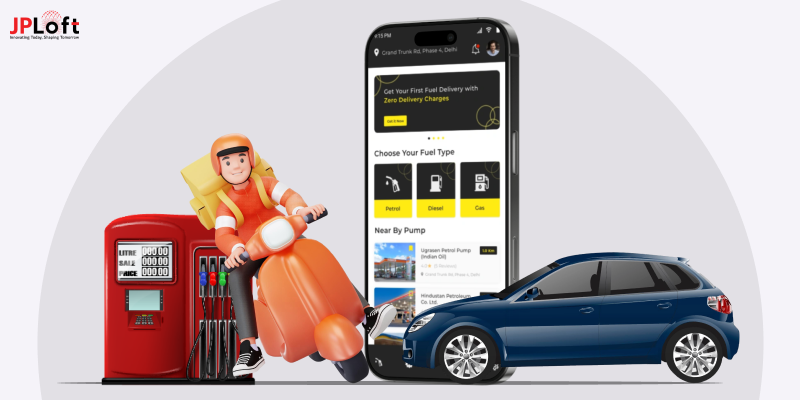
Consumers no longer want to waste hours at gas stations; they want fuel delivered straight to their doorstep, office parking lot, or any location, just with some taps on the phone.
Apps like Booster and Yoshi have proven one thing- customers will happily pay extra to skip the gas station altogether. But the real magic isn’t just the delivery fee.
The top fuel delivery apps use multiple revenue streams working together to generate millions in profit every year.
So, how do fuel delivery apps make money? This is exactly what we are going to cover in this blog to help you gain better knowledge.
Why Should You Invest in a Fuel Delivery App in 2026?
Let’s explore why developing a fuel delivery app is a smart business move, focusing more on the market potential, key benefits, and future growth opportunities.Here are some reasons to invest:
1. Growing Market
Looking at the fuel market statistics, it is clear that the market is going to grow at a tremendous rate, expectedly to $11.93 billion by 2035.
This presents a great opportunity for businesses to enter a market with high growth potential.
2. Huge Money-Making Market
With ongoing Middle-East tensions shaking the global oil supply, Chinese export policies tightening the energy trade, and fuel prices swinging unpredictably every week.
Customers are no longer willing to chase gas stations during peak hours or panic-buying rushes.
They want fuel to be delivered on their own terms- fast, reliable, and stress-free. And, they are willing to pay any price, which is what increases the revenue potential of your fuel app.
3. Streamline Operations
Running a fleet and managing logistics can be a headache, but with the right fuel delivery app, you can streamline your operations.
By integrating a fleet management system into the app, you can optimize delivery routes, reduce fuel wastage, and ensure efficient service delivery.
How Fuel Delivery Apps Make Money?
As a business owner or entrepreneur in the fuel delivery space, understanding how the fuel apps generate revenue is important for success.
Let’s get into some ways through which your app can make money while meeting market demands:
1. Delivery Charges
One of the most straightforward and dependable ways to monetize your fuel delivery app is through delivery charges.
Simple, transparent, and profitable from day one, you charge customers a fee every time you deliver fuel to their doorstep.
The smartest part? You can scale this fee dynamically based on three powerful factors:
-
Distance: Longer routes = higher charges. A 5km delivery costs less than a 25km one.
-
Fuel quantity: Delivering 10 litres vs 100 litres? The bigger the load, the bigger the fee
-
Urgency: Need fuel in 30 minutes vs 3 hours? Express deliveries command premium rates.
Real-world example: Booster, one of the top fuel delivery apps in the US, charges a base delivery fee that adjusts automatically based on location and demand, a model that has helped them generate millions in steady revenue.
What you can typically charge: $3–$10 per delivery, depending on city and urgency.
Best for: Startups launching their MVP and apps targeting individual consumers(B2C)
Pros: Predictable income, easy to implement, and customers understand it instantly.
Cons: Margins can shrink in competitive markets if you don’t bundle it with other revenue streams.
Pro tip: Don’t make delivery charges your only revenue source. Use them as the foundation, then layer subscriptions and surge pricing on top to multiply your earnings.
2. Subscription Plans
If you want money coming in every single month, even when customers aren’t actively ordering, subscription plans are your golden ticket.
Customers pay a fixed monthly or yearly fee in exchange for premium perks, and you get predictable, recurring revenue that compounds over time.
Here’s what most successful fuel apps include in their subscription offer:
-
Discounted fuel prices for members vs. one-time buyers.
-
Priority delivery slots — subscribers always get served first.
-
Exclusive perks like free express delivery, loyalty rewards, and partner discounts.
Real-world example: Yoshi, a US-based fuel delivery startup, runs a monthly subscription model ($20–$30/month) that gives members unlimited deliveries plus discounted fuel, and this single stream contributes a massive chunk of their revenue.
What you can typically charge: $15–$40/month per user, depending on the perks bundled in.
Best for: Apps with a loyal, repeat customer base and businesses targeting urban professionals or fleet owners.
Pros: Predictable monthly income, builds strong customer loyalty, reduces churn.
Cons: Requires consistent service quality — one bad month and subscribers cancel.
Pro Tip: Offer a 7-day free trial when launching subscriptions. Once customers experience the convenience, the renewal rate jumps dramatically — and your monthly revenue scales fast.
3. Surge Pricing
Borrowed straight from the Uber playbook, surge pricing is one of the smartest ways to make money from your fuel delivery app during peak hours.
When everyone needs fuel at the same time, in bad weather, during rush hours, or in emergencies, you charge a premium rate, and customers happily pay for the convenience.
Here’s exactly how surge pricing works in real-world apps:
-
Higher fees kick in during high-demand windows (storms, holidays, peak hours).
-
Customers see transparent surge alerts before confirming the order.
-
Premium charges apply for emergency or instant deliveries.
Real-world example: Apps like CAFU and EzFill activate surge pricing during weekends, sandstorms, and fuel shortages, turning otherwise normal days into massive revenue spikes.
What you can typically charge: 1.5x to 3x the regular delivery fee, depending on urgency and demand intensity.
Best for: Mature apps with an active user base and businesses operating in cities with unpredictable weather or traffic patterns.
Pros: Massively boosts revenue during peak times, balances supply and demand, and encourages off-peak orders.
Cons: Can frustrate customers if not communicated transparently — overuse damages brand trust.
Pro Tip: Always show surge pricing before the customer confirms the order, with a clear reason ("High demand in your area"). Transparency turns surge pricing from a complaint into an accepted norm.
4. Partnerships & Advertisements
Beyond charging customers directly, smart fuel delivery apps work like a powerful money-making machine.
When you include partnerships and advertisements, it brings in money even when no one is ordering fuel, making it one of the most underrated fuel delivery app revenue models in the industry.
Here's how this works behind the scenes:
-
Fuel supplier partnerships: Tie up with suppliers, get bulk discounts, and earn a commission per transaction.
-
In-app advertising: Let car service brands, EV companies, or insurance providers run ads inside your app.
-
Cross-promotions: Partner with car wash, tyre, and maintenance brands for joint offers.
Real-world example: Many on-demand fuel apps team up with auto insurance and car maintenance brands, displaying targeted ads and earning revenue per click or per acquisition — pure profit with zero delivery effort.
What you can typically earn: $0.50–$5 per ad click, plus 5–15% commission on partner-driven sales.
Best for: Growing apps with a steady user base of 10,000+ active users and businesses looking for passive income.
Pros: Pure passive income, no operational cost, scales without effort.
Cons: Too many ads can hurt user experience; balance is everything.
Pro Tip: Don't sell ad space to anyone with a budget. Partner only with brands your customers actually care about — relevance drives clicks, and clicks drive revenue.
5. Commission-Based Model
The commission model is the genius behind some of the smartest fuel delivery app monetization strategies in the world, and fuel delivery is no exception.
Instead of holding fuel inventory yourself, you act as the bridge between suppliers and customers, taking a cut on every transaction.
Low risks, high reward.
Here's why this model is loved by founders and investors alike:
-
Zero inventory headache: You don't buy, store, or manage fuel.
-
Scalability: Add new suppliers without expanding operations.
-
Lean operations: Lower overhead means higher profit margins.
Real-world example: Many emerging fuel delivery startups operate purely as marketplaces, connecting registered fuel suppliers with end customers and pocketing a commission (typically 10–20%) on every sale.
What you can typically charge: 8–20% commission per transaction, depending on order size and supplier deal.
Best for: Startups wanting to launch lean, marketplace-style apps, especially considering the overall cost to develop a fuel delivery app, and businesses targeting multiple cities without building physical infrastructure.
Pros: Minimal operational risk, easy to scale across regions, high-margin business.
Cons: Heavily dependent on supplier reliability — one bad partner can damage your reputation.
Pro Tip: Always sign exclusivity or preferred-partner deals with top suppliers in each city. It locks in your margin, protects your supply chain, and keeps competitors out of your turf.
6. Corporate & Fleet Services
To start a successful fuel delivery business, you must consider various fuel delivery app monetization models.
One of our top picks is corporate and fleet services. It is best to stop chasing only individual customers and start targeting businesses.
Logistics companies, delivery fleets, ride-share operators, and construction businesses all need fuel, and lots of it.
This is where fuel delivery apps print real money.
Here's what makes corporate contracts a goldmine:
-
Bulk fuel orders: One fleet client can equal hundreds of individual customers.
-
Long-term contracts: Stable, predictable monthly revenue.
-
Custom pricing tiers: Higher margins through volume-based pricing models.
Real-world example: Booster has built a major portion of its business around B2B fleet services, supplying fuel directly to corporate vehicle fleets, construction sites, and delivery operations across multiple US cities.
What you can typically earn: $5,000–$50,000+ per corporate contract, with recurring monthly revenue.
Best for: Established fuel delivery apps and businesses targeting enterprise clients, logistics firms, and government fleets.
Pros: Massive revenue per client, long-term contracts, recurring income, reduced marketing costs.
Cons: Sales cycles are longer, onboarding takes effort, and you'll need dedicated B2B account managers.
Pro Tip: Build a separate "Fleet Dashboard" in your app for corporate clients — fuel tracking, invoicing, multi-vehicle management. It's a feature that closes enterprise deals fast and locks clients in for years.
7. White Label Solutions
Once your fuel delivery app is solid and proven, you can stop being just a service provider and start being a tech licensor.
When companies choose white-label vs custom fuel app, you should know that white-label solutions let other businesses use your app under their own brand, and you collect licensing fees, maintenance income, and update charges without delivering a single drop of fuel.
Here’s how the white-label revenue stream typically works:
-
One-time licensing fees: Charged upfront when a business buys your app.
-
Monthly maintenance contracts: Recurring income for hosting, support, and bug fixes.
-
Custom feature add-ons: Premium charges for tailored modules and integrations.
Real-world example: Several established on-demand app development platforms license their core tech to entrepreneurs in different countries — turning a single product into a global revenue machine without ever expanding their own delivery operations.
What you can typically charge: $10,000–$50,000 licensing fee + $500–$5,000/month for maintenance.
Best for: Mature fuel delivery apps with proven tech and businesses looking to expand into new markets without operational complexity.
Pros: Passive income, global scalability, multiple revenue streams from one product.
Cons: Requires polished tech, strong documentation, and reliable ongoing support.
Pro Tip: Don't just sell your code, sell a ready-to-launch business kit with branding guides, marketing playbooks, and onboarding support. Buyers will happily pay 2-3x more for the complete package.
8. Vehicle Maintenance & Add-On Services
Most fuel delivery apps fail because they think small, selling only fuel when their customers need so much more.
Every person ordering fuel owner who might need other services, such as engine oil top-ups, tyre checks, car washes, battery jump starts, these are amazing opportunities sitting inside your app, waiting to multiply your revenue per order.
Here's how this smart fuel delivery app monetization model looks in-depth:
-
One-tap add-ons: Let customers add a car wash or oil change while booking fuel.
-
Bundled packages: Offer "Fuel + Maintenance" combo deals at attractive prices.
-
Partner integrations: Tie up with local mechanics and earn commission on every service.
Real-world example: Yoshi pivoted from being just a fuel delivery app to a full-service vehicle care platform, adding oil changes, car washes, and tyre services. The result? Their revenue per customer multiplied dramatically without acquiring a single new user.
What you can typically earn: $10–$50 extra per add-on service, plus 15–25% commission on partner services.
Best for: Apps with an active user base looking to increase average order value without heavy marketing spend.
Pros: Massive upsell potential, low acquisition cost, builds customer stickiness.
Cons: Needs reliable service partners; one bad experience can hurt your core brand.
Pro Tip: Show add-on services during checkout, not before. Customers who've already decided to spend money are 3x more likely to add extras; that's where the real money is made.
So, these are the best ways to make money from fuel apps. The best way to integrate any one of them is to consult with an experienced mobile app development company in the US, UK, or any other country.
How to Pick the Perfect Monetization Strategy for Your Fuel Delivery App?
Seeing so many fuel delivery app monetization strategies, you must be feeling overwhelmed to know the right pick.
Here are some tips to help you decide which strategy fits your app best:
A. Know Your Target Audience First
Before you explore fuel delivery app monetization models, you need to ask one simple question: Who exactly are you serving?
Individual car owners respond well to delivery charges and subscriptions, while the foundation decides which revenue model will actually generate consistent profit for your business.
B. Match the Model With Your Business Stage
A startup MVP shouldn’t chase the same revenue model as an enterprise-level app.
Early-stage apps thrive on simple delivery fees, while mature platforms unlock big money through corporate contracts and white-label deals.
Aligning the strategy with your current stage is exactly how successful fuel delivery apps make money consistently without burning out resources.
C. Test One Model Before Stacking More
Don’t try to launch with five different revenue streams on day one- it fails focus and confuses your customers.
Pick one core model, validate it with real users, optimize it, and only then layer on additional streams like increased pricing, partnerships, or subscriptions.
Profitable apps grow revenue gradually, not chaotically, and that discipline separates winners from failures.
D. Study What's Already Working in Your Market
Look at the top fuel apps that are already winning in your region, such as Booster in the US, CAFU in the Middle East, or any other local players in your country.
Understand their strengths and weaknesses and reverse engineer their prices, packaging, and revenue flow, or those of local players in your country.
Smart founders don’t reinvent the wheel; they study proven monetization models, then improve them with sharper positioning or untapped niches.
E. Build for Scalability, Not Just Quick Cash
Many founders pick whichever model brings instant money, and then struggle when their app actually sells.
Choose a fuel app monetization model mix that grows with you, recurring revenue for stability, B2B contracts for big wins, and partnerships for passive income.
The goal isn’t fast money; it’s profitable, predictable, and long-term sustainable growth.
F. Get Expert Guidance Before You Lock It In
Locking the wrong monetization model into your app’s backend can cost you months of rework later.
Before finalizing, consult experienced mobile app developers for hire who’ve actually built fuel delivery apps.
Their real-world insights help you avoid expensive mistakes, integrate scalable systems, and design a monetization flow that’s built to win from day one.
How JPLoft Can Help in Developing a Fuel Delivery App?
The fuel delivery industry is booming, and to stand out, you need an app that’s efficient, reliable, and user-friendly.
That’s where we come in! As a top fuel delivery app development services provider, JPLoft specializes in building innovative, scalable platforms that meet the unique needs of your business and customers.
What we offer:
-
Custom Design: A seamless, intuitive user experience.
-
Real-Time Tracking: Track deliveries from start to finish.
-
Secure Payment Gateway: Hassle-free, secure transactions.
-
Scalability: Our apps grow as your business does.
Our success with 2U Fuel, Juiced Fuel, and Stay Fueled has shown our potential. Let’s work together and bring your fuel delivery app vision to life.
Wrapping Up
The fuel delivery app market is booming, offering tremendous opportunities for growth and profit. Whether you opt for delivery charges, subscription models, or corporate services, there are multiple revenue streams to explore.
The market is expanding rapidly, and with the right strategy, you can tap into this billion-dollar industry and offer a valuable service that customers will love.
By leveraging smart monetization models and incorporating innovative features, your fuel delivery app can thrive in this competitive space.
Now is the perfect time to build a business that meets consumer demand while driving profitability.
FAQs
Fuel delivery apps typically charge customers through delivery fees, which can vary based on factors like distance, fuel quantity, and urgency. Some apps also offer subscription models with discounted prices and exclusive perks.
Some of the most effective strategies include delivery charges, subscription plans, surge pricing, partnerships with fuel suppliers, in-app advertising, and offering fleet services to businesses.
Yes, fuel delivery apps can form partnerships with fuel suppliers, car maintenance services, or other related businesses. These partnerships can provide revenue through commissions, exclusive deals, and in-app advertising.
Surge pricing can be an effective way to increase revenue during high-demand periods, such as peak hours or emergencies, by charging higher fees for immediate deliveries.
Fuel delivery apps can offer specialized services to businesses with fleets, such as bulk fuel deliveries, custom contracts, and discounted rates for frequent deliveries, providing a steady source of revenue through long-term contracts.

Savannah is a passionate tech enthusiast with a sharp understanding of client needs across diverse digital domains. With expertise spanning financial platforms, on-demand solutions, and emerging technologies, she brings a unique blend of analytical insight and interpersonal skills, helping businesses decode complexities and make informed decisions in today's rapidly evolving digital world.


Share this blog