


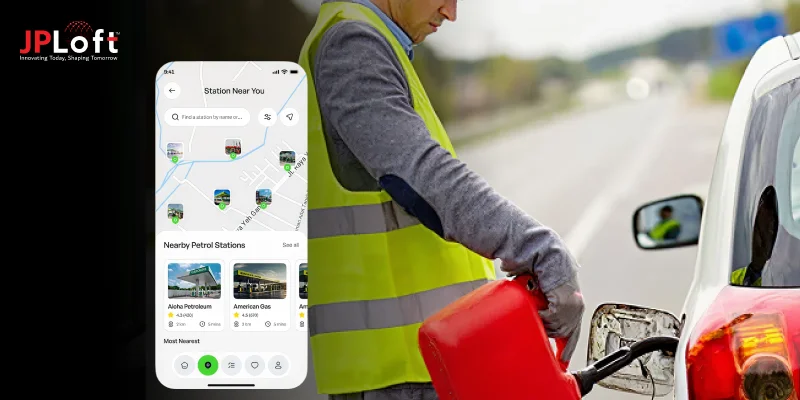
Are you ready to start your own fuel delivery business in 2026? If yes, you are on the right blog.
We are living in a world where convenience is king.
And, with the mobile fueling business booming, it seems like the perfect moment to jump into this growing market.
Despite ongoing geopolitical tensions, market uncertainty has created a window of opportunity for businesses to step in and turn emerging demand into profitable ventures.
But, you might be wondering, how to start a fuel delivery business in 2026?
Well, in this blog, we’re gonna break it down for you. We’ll cover all the process, cost, challenges, and more.
So, let’s get started!
What is a Fuel Delivery Business?
In layman’s terms, the fuel delivery business is an on-demand service that brings fuel directly to a customer’s vehicle, fleet, or location, eliminating the need to visit a gas station.
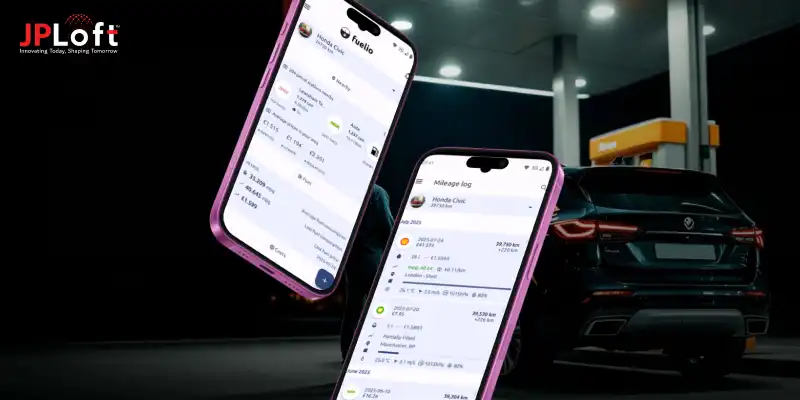
Powered by mobile apps like CAFU, EzFill, Yoshi, and others, the models have rapidly gained attention worldwide.
Recent stats show, fuel app market is expected to grow to $11.93 billion by 2035.
For businesses, it is the right time to enter the industry by making a fuel app, that not only presents their business but also helps users access fuel anytime, and anywhere.
Why You Should Invest in a Gas & Fuel Business?
The short answer is yes.
Why you should invest in a fuel delivery business is a huge consideration, much bigger than knowing how to start a fuel delivery business in 2026. After all, it takes a lot of resources, effort, and, most importantly, money.
So, let’s give you some solid reasons:
1. High-Demand
First of all, it is a growing trend.
People always need fuel. Whether it is for cars, trucks or machinery fuel is a constant need.
Offering a delivery service ensures that your customers have access to fuel whenever and wherever they need it.
2. People Love Convenience
Yes, this is another reason for you to start a successful fuel delivery business.
In today’s world, everyone is looking for ways to save time and make life easier. Fuel delivery taps into this demand for convenience, making it a highly desirable service.
3. Opportunity to Scale
With the rapidly growing market.
Fuel Delivery businesses can grow quickly, especially when you scale your operations geographically or by adding different fuel types.
This business model is flexible and adaptable, so you can scale your business as demand increases.
4. Has Huge Potential
The cost to make a fuel delivery app may seem steep initially, but the return on investment is actually great.
Not many apps have tapped into this opportunity, which makes starting a fuel delivery business a great idea, especially when the need for on-demand services continues to rise.
5. Less Competition
While the fuel industry itself is so competitive, the fuel delivery business is still relatively new, especially with the rise of mobile apps for fuel delivery.
Consider yourself in a stroke of great luck, as this allows you to carve out a niche in a growing market.
Fuel Delivery App vs Fuel Delivery Business: What’s the Real Difference?
When exploring how to start a fuel delivery business? It is worth asking, “Are the fuel delivery apps and fuel delivery businesses the same thing?”.
Well, there’s a slight difference between simply running a fuel delivery app and building a full-fledged fuel delivery business.
On the surface, both may seem like the same thing-delivering fuel to customers- but the operational realities, infrastructure, and responsibilities are far from identical.
So, let’s break it down to see what each model entails and help you decide the best route for your business ambitions.
|
Aspect |
Fuel Delivery App |
Fuel Delivery Business |
|
Business Model |
A platform connecting customers to service providers (third-party vendors). |
A full-scale business that owns and operates the infrastructure for fuel delivery. |
|
Technology Focus |
Primarily a tech-based solution, managing bookings, payments, and customer service. |
More focused on managing logistics, fleet, operations, and compliance. |
|
Infrastructure |
Relies on third-party vendors for physical infrastructure (e.g., trucks, storage tanks). |
Owns or leases all infrastructure required (e.g., fuel trucks, storage facilities). |
|
Ownership of Assets |
Does not own delivery vehicles or equipment; just connects customers with providers. |
Owns delivery vehicles, fuel inventory, and related equipment. |
|
Scalability |
Easier to scale by adding more delivery partners to the platform. |
Scaling requires investing in more vehicles, hiring staff, and expanding operations. |
|
Operational Complexity |
Lower operational complexity as most tasks are outsourced to service providers. |
Higher operational complexity with responsibilities in fleet management, fuel procurement, and safety protocols. |
|
Regulatory Responsibility |
Limited responsibility for regulatory compliance (mainly related to app functionality). |
Full responsibility for regulatory compliance (fuel handling, transportation, environmental safety). |
|
Profit Model |
Typically earns revenue through commission from service providers or subscription fees. |
Makes money directly from fuel sales and service charges, plus operational costs. |
How to Start a Fuel Delivery Business in 2026: Step-By-Step Guide
Starting your own fuel delivery business? Yeah, it can feel a bit overwhelming at first.
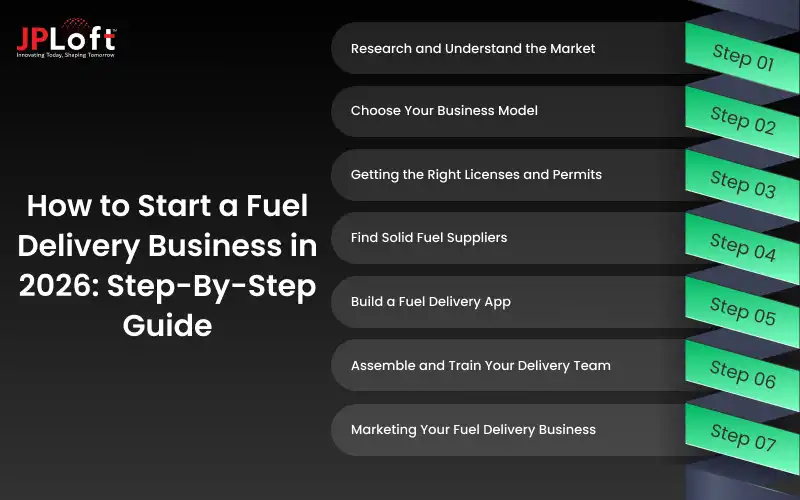
But if you break it down into smaller steps, it’s totally manageable. Let’s get into a straightforward guide that'll help you start a fuel delivery business from scratch.
Step 1: Research and Understand the Market
Okay, first things first, you really need to get a grasp on the market you’re stepping into.
Who’s your target audience? What do they actually need? And what’s gonna set you apart from other fuel businesses?
Plus, don’t forget to look into the local laws and licensing because that can vary a lot depending on where you are.
Key Considerations:
-
How much demand is there for fuel delivery services around you?
-
Who are your competitors? And how can you stand out?
-
What are the local safety and environmental rules you gotta follow?
-
What’s bugging the customers? They want fuel delivered right when they need it, or are they more into regular delivery schedules?
Step 2: Choose Your Business Model
Now, you’ve got a few different models to think about when starting an on-demand fuel delivery business:
-
On-Demand Services: This is where customers order fuel as they need it. It’s super popular since people these days love that instant satisfaction.
-
Subscription Services: Here, customers can sign up for regular deliveries, like every week or month. This could work great for folks or businesses that need fuel on the regular.
So, take your time to figure out which model fits best with the market you’re getting into. Even, you could mix both models to expand your customer base!
Step 3: Getting the Right Licenses and Permits
Alright, so let’s talk about something super important: licenses and permits.
Since you’re dealing with a gas delivery - yeah, that stuff can be pretty dangerous - you really gotta make sure you have all the right paperwork.
Starting a fuel delivery business is no joke; it's all about regulations, and the permits you’ll need can change based on where you’re at.
Here’s a quick checklist for you:
-
Fuel storage permits
-
Transportation licenses
-
Insurance for your drivers and vehicles
-
Environmental clearances - gotta keep safety in check!
Trust us, you don’t want to end up with hefty fines because you missed something. So, get yourself prepared legally!
Step 4: Find Solid Fuel Suppliers
Now, let’s move on.
Your fuel delivery business hinges a lot on finding reliable suppliers.
You really need to forge connections with distributors who can hook you up with quality fuel in bulk.
And of course, timeliness and competitive pricing are truly essential.
Oh, and pro tip: having a few suppliers in your back pocket is smart. Just in case one of them doesn’t come through, you’ve got options.
Step 5: Build a Fuel Delivery App
Next up, here’s a biggie: time to create a fuel delivery app. This is where things get exciting - this app is your business’s heartbeat.
It’s how your customers will interact with you, so it’s gotta be easy to use, dependable, and efficient.
What should your app have? Well, here are some must-haves:
-
Fuel Type Selection: Let customers pick their fuel - regular, premium, diesel, you name it.
-
Delivery Tracking: A real-time map so they can see where their delivery is.
-
Payment Gateway Integration: Smooth payment options, like credit cards and mobile wallets, are a must.
-
Ratings and Reviews: After delivery, customers should be able to share their thoughts and rate your service.
The cost for such an idea can vary a lot, but trust me, investing in a custom app that fits your brand is worth it in the long run.
Step 6: Assemble and Train Your Delivery Team
You need to hire a solid delivery team. Timing and safety are everything, so your drivers need to know the ropes when it comes to handling and delivering fuel correctly.
Here’s what they should be equipped with:
-
Driver Qualifications: Make sure they’ve got their commercial driver’s license (CDL) and any other certifications for transporting hazardous materials.
-
Safety Protocol Training: Your drivers should be trained on how to deal with spills, accidents, and other safety issues that might come up.
-
Customer Service Skills: Let’s not forget that good communication and a professional demeanor can help build customer loyalty.
So there you go! Keep these things in mind, and you’ll be on your way to running a successful fuel delivery business.
Step 7: Marketing Your Fuel Delivery Business
Alright, so you've got your service ready to roll-now it’s time to let everyone know about it! Marketing is a super important element for bringing in customers and getting them to stick around.
Here are some strategies to market your fuel delivery business:
-
Social Media Advertising: Use Facebook, Instagram, and Twitter to share updates, customer stories, and engage directly with your audience.
-
SEO and Local Listings: Optimize your platform for search engines and claim your Google My Business listing to boost local visibility.
-
Promotions: Offer first-time discounts and referral programs to attract new customers and drive word-of-mouth growth.
-
Collaborations: Partner with local businesses and fleet owners to expand your reach and build a steady customer base.
Just remember, the key is to keep an eye on what’s working and what isn’t. It’s all about adapting and responding to what your customers need!
Know the Trends Shaping Fuel Delivery Business
Thinking of starting a fuel delivery business or moving yours online? Knowing where the industry is headed makes all the difference.
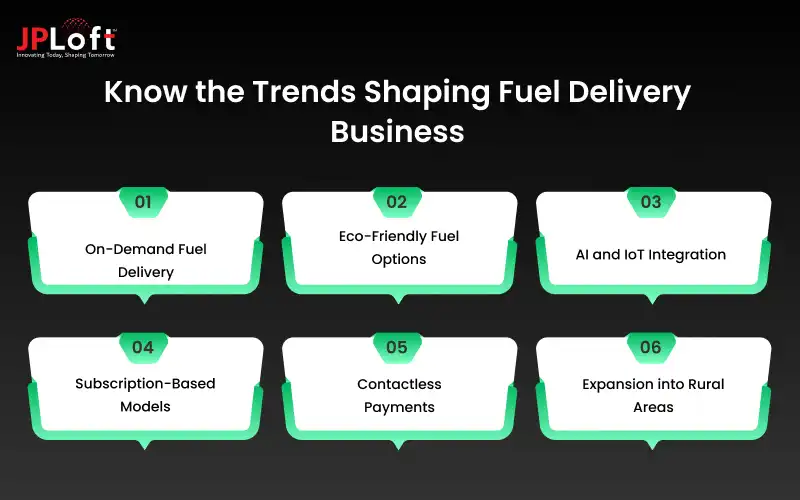
Here are the trends defining the future of on-demand fueling:
1. On-Demand Fuel Delivery
Mobile fuel apps are rewriting how people refuel. Busy professionals, fleet managers, and homeowners now expect fuel delivered to their doorstep, the same way they order food.
2. Eco-Friendly Fuel Options
Biofuels, EV charging, and hydrogen are no longer fringe ideas. Brands investing in green fuel options are winning the next generation of climate-conscious customers.
3. AI and IoT Integration
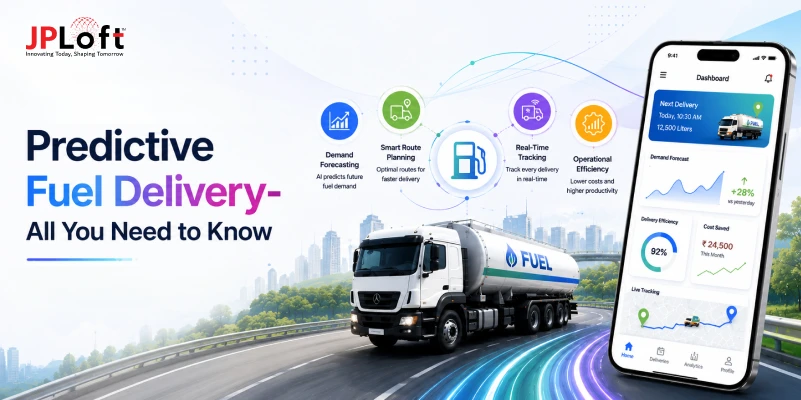
Smart sensors track fuel levels, predict demand, and optimize delivery routes. Combined with AI personalization, key features of fuel delivery apps are turning fueling into a fully automated experience.
4. Subscription-Based Models
Why order whenever you can subscribe? Recurring fuel plans give customers peace of mind and operators predictable, recurring revenue. It's a win-win that builds long-term loyalty while smoothing out demand cycles.
5. Contactless Payments
Post-pandemic, contactless is the default. It's now a core trend in fuel delivery apps, making payments faster, safer, and friction-free. From digital wallets to one-tap checkouts, it's quickly becoming the standard customers expect.
6. Expansion into Rural Areas
Cities are crowded; rural markets are wide open. Operators expanding into underserved regions are solving real fuel access gaps and unlocking fresh revenue streams.
Challenges You May Face While Launching Your Fuel Delivery Business
Figuring out how to start a fuel delivery business is one thing, but you’ve also got to be ready for the challenges that come with it.
From regulatory compliance to logistics, fuel delivery businesses may encounter several challenges.
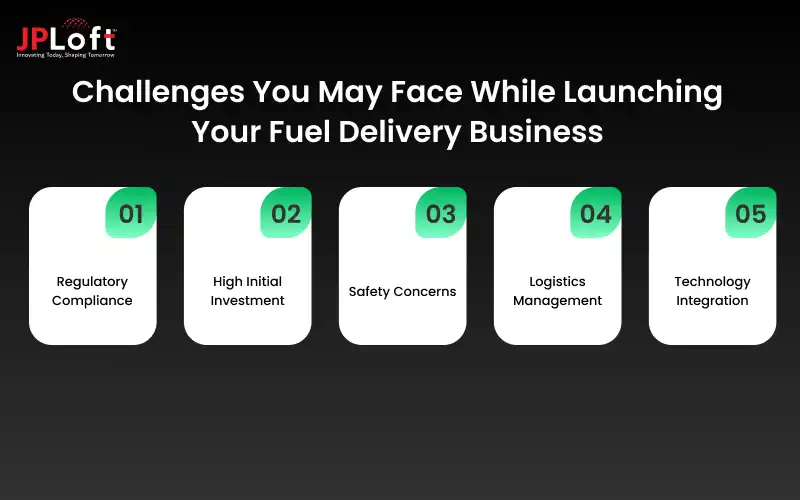
Here are some common obstacles and practical solutions to come out of it:
Challenge 1: Regulatory Compliance
If you are dealing with fuel transportation laws, it can feel pretty overwhelming. Each area has its own set of strict rules about how to handle and deliver fuel safely.
Solution: It’s a smart move to team up with legal experts. They can help make sure you’re in line with all the regulations and get the permits you need before you kick off your fuel delivery venture.
Challenge 2: High Initial Investment
Starting a mobile fuel delivery business isn’t cheap. You’re gonna need a good chunk of change for vehicles, tech, and fuel storage facilities.
Solution: Why not begin with a smaller scale? Find a specific niche you can focus on and then, as your revenue picks up, you can gradually expand your operations.
Challenge 3: Safety Concerns
Let’s be real: fuel is super flammable, which brings a lot of safety worries during transport and delivery.
Solution: It’s crucial to invest in safety training for your team. Plus, using certified vehicles and sticking to strict safety protocols can help mitigate those risks.
Challenge 4: Logistics Management
Managing fuel deliveries across various spots can get pretty tricky.
Solution: Consider using route optimization software along with IoT tracking systems. These tools can help streamline your operations and make things a lot easier.
Challenge 5: Technology Integration
Now, in case you take steps ahead and are ready to get on the market with a fuel delivery portal, then adding advancement can be a bit of a headache.
Solution: It might be wise to partner with a leading mobile app development company in USA. They can help you build a strong platform for your on-demand fuel delivery service, making sure it runs smoothly.
Knowing challenges helps you prepare better. With this out of the way, let’s focus on how to make money.
How Fuel Delivery Business Can Make Money?
One of the important questions you might wanna know answer to is, “How Fuel Delivery Business Can Make Money?”
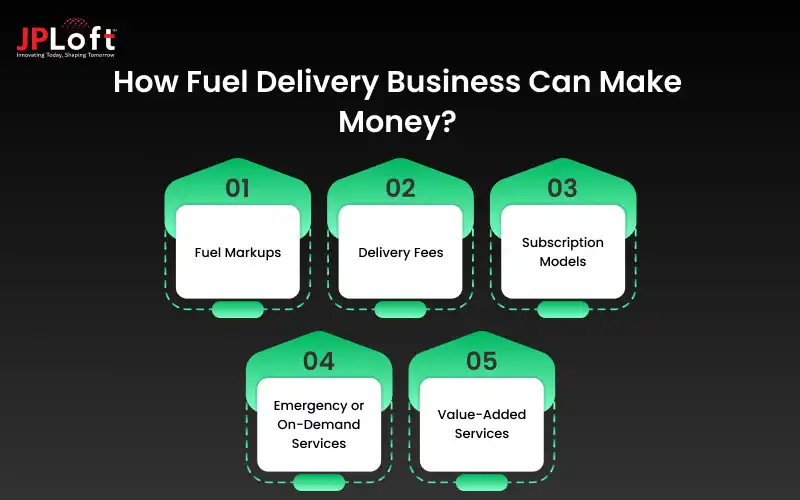
After all, people invest in businesses with the aim to enjoy a good revenue in return.
Here’s a breakdown:
1. Fuel Markups
In fuel delivery businesses, companies opt for the most common model which is buying fuel in bulk from suppliers at wholesale prices and selling it to customers at a higher retail price.
And, the difference between wholesale and retail prices is their profit margin. Such as buying fuel at 3/gallon and selling it at 3.50/gallon.
2. Delivery Fees
Many fuel delivery businesses charge a delivery fee based on factors like distance, urgency, or the size of the order.
For instance, A flat fee of $10 per delivery or a variable fee based on mileage.
3. Subscription Models
Yet another tried and tested method, this is also a growing revenue model in fuel delivery apps.
Your business can offer subscription plans where customers pay a monthly or annual fee for regular fuel deliveries.
This ensures steady revenue and customer loyalty. Such as $50/month for weekly top-ups.
4. Emergency or On-Demand Services
You can charge premium rates for emergency or after-hours deliveries is another way to boost profit.
Customers are sometimes in urgent need of fuel and are ready to pay an extra amount.
For example, you can charge a particular amount for same-day or late-night deliveries.
5. Value-Added Services
You can offer additional services like Fuel tank monitoring, maintenance or fuel quality testing, which can generate some extra income.
Such as, you can charge $100/month for IIoT-based fuel delivery monitoring.
How JPLoft Can Help You Start Your Own Fuel Delivery Business?
Are you ready to start your own fuel delivery business? Let us help.
JPLoft, an award-winning fuel app development company for startups, has helped many businesses to start a fuel delivery business from scratch.
We have delivered 1100+ projects with a 98% client retention rate, and our team is experienced in building both simple and complex solutions.
We have the needed resources, expertise, and skills to turn your idea into reality. All you have to do is connect with us today with your requirements.
Conclusion
Starting a fuel delivery business in 2026 is a wise investment, given that many people want convenience and on-demand services.
This is an excellent market for entrepreneurs to get into, given that fuel delivery is becoming popular.
It involves building a successful fuel delivery service: the right business model, understanding restaurant regulations, and then building an efficient delivery network are some of the many hurdles to jump.
The potential for growth, less competition, and the essential services this business offers are good cosmetic positions to invest in.
Some challenges include safety and logistical management, but these can be countered with proper planning, the right technology, and the right people.
With the right strategies and careful planning, your fuel delivery service can become a successful venture.
FAQs
The fuel delivery business essentially requires a large upfront investment for vehicles, technology (app), fuel storage, and regulatory compliance. Other expenses may include licenses and insurance.
Fuel delivery services make money from fuel markups (buying fuel at wholesale prices and selling at retail), delivery fees, subscriptions, emergency or on-demand services, and adding value-added services such as fuel tank monitoring.
Scaling a fuel delivery business can be challenging due to the logistics involved in fleet expansion and regulatory compliance. The use of technology, route optimization, and expansion into new areas or other types of fuels can, however, help in better scaling the business.
Essential licenses include a fuel storage permit, transport license, qualification of driver (like a commercial driver's license), environmental clearances, and insurance. These regulations vary widely according to local jurisdictions; hence, you will want to make sure that you thoroughly research local laws and regulations.
Common challenges include compliance with regulations, logistics management, safety operations, high initial investment costs, competition, and gaining customers' trust. Having a proper plan, investing in technology, and providing excellent customer service can prove to be effective in overcoming these hurdles.

Savannah is a passionate tech enthusiast with a sharp understanding of client needs across diverse digital domains. With expertise spanning financial platforms, on-demand solutions, and emerging technologies, she brings a unique blend of analytical insight and interpersonal skills, helping businesses decode complexities and make informed decisions in today's rapidly evolving digital world.


Share this blog