


Picture a delivery van starting its day with a full schedule, only to lose time detouring to refuel. Now imagine fuel arriving at the vehicle’s location, at a planned time, with the order and payment managed through an app.
For California businesses, this kind of service can make daily operations easier when it is planned around local rules and customer needs.
The market is substantial: the California Energy Commission reports that 13.4 billion gallons of gasoline were sold in the state in the past year. That figure does not guarantee success, but it shows the scale of the transportation fuel market.
Fuel delivery app development in California can help startups, distributors, gas stations, and fleet operators explore new ways to serve drivers and businesses. The opportunity begins with choosing the right customers, service area, and operating model before investing in technology.
Visit :- Fuel Delivery App Development Company
Why Is California a Promising Market for Fuel Delivery Businesses?
California brings together urban commuters, freight networks, agricultural operations, and industrial sites. Each group uses fuel differently and faces different operating pressures. Providers can use these differences to shape focused services for specific customer groups.
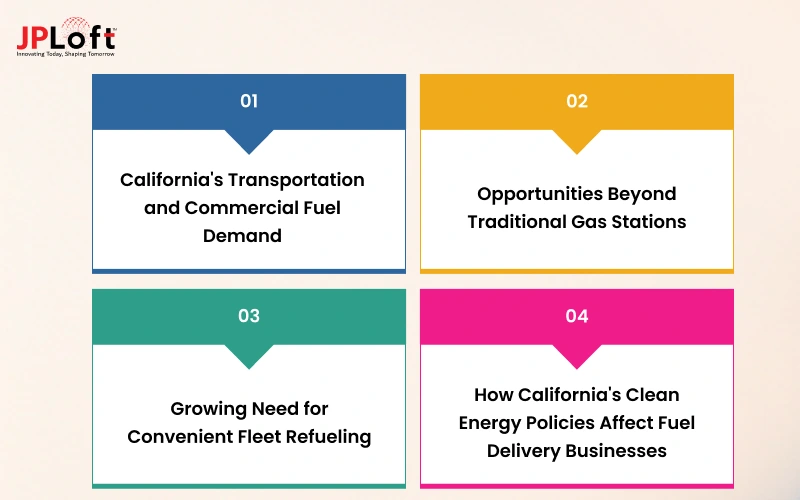
1. California's Transportation and Commercial Fuel Demand
Fuel needs vary by region. Coastal areas support ports, service vehicles, and commuter traffic, while inland communities have farming, freight, and construction activity.
These differences affect which customers may need regular deliveries. Demand also changes with local business cycles and seasonal work patterns over time.
2. Opportunities Beyond Traditional Gas Stations
Traditional stations depend on customers visiting one location. Delivery providers can explore contracts with workplaces, equipment yards, property managers, and businesses that keep vehicles on site.
These partnerships may support repeat orders, but each site needs checks for safe access, fueling conditions, and approvals first.
3. Growing Need for Convenient Fleet Refueling
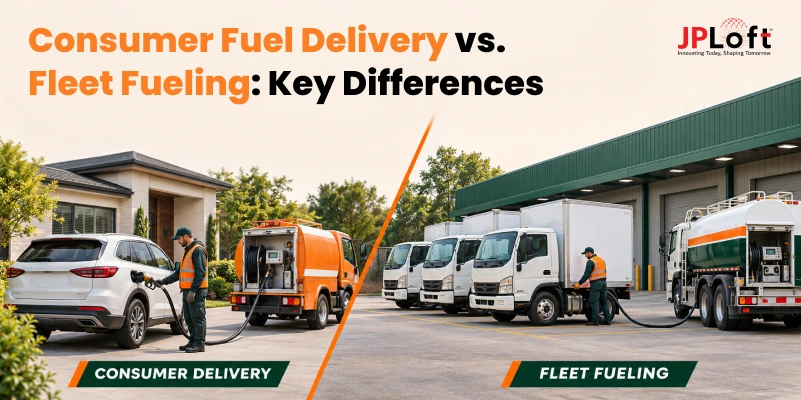
Fleet operators often coordinate vehicles across shifts, depots, and job sites. A delivery plan that brings fuel to an approved location
can reduce separate station trips and help managers prepare vehicles before their next assignments. The value depends on fleet size, schedules, and fuel use.
4. How California's Clean Energy Policies Affect Fuel Delivery Businesses
California’s clean transportation policies influence how businesses plan vehicle purchases and fuel use. Some fleets are adding electric vehicles as operations change.
Others still need liquid fuels for heavy-duty routes, backup equipment, or work in areas with limited charging access. These shifts can reshape demand.
Also Read:- Is a Fuel Delivery App Business Profitable in 2027?

Where Are the Biggest Fuel Delivery Opportunities in California?
Choosing a launch location is as important as choosing a customer segment. Fuel delivery app solutions California businesses can use should closely reflect the work patterns, vehicle types, and operating schedules found in each region.
A. Los Angeles: Commercial Fleets and Urban Fuel Delivery
Los Angeles offers business customers linked to freight, port activity, and urban services. These include trucking companies, drayage operators, delivery fleets, equipment contractors, and businesses managing vehicles across several sites.
A delivery platform could coordinate scheduled orders at suitable business locations, subject to required approvals.
B. San Francisco Bay Area: Business and Corporate Fleet Fueling
The Bay Area includes technology companies, campuses, commercial properties, service contractors, and distributors. Their vehicle needs differ, from maintenance vans to security, catering, and facilities teams.
Providers can tailor ordering, scheduled refueling, and consolidated billing to each account based on fleet size and operating hours.
C. San Diego: Marine, Commercial, and Equipment Fueling
San Diego’s maritime, tourism, construction, and commercial sectors create several possible customer groups. These include marine service companies, port-related contractors, equipment rental firms, construction operators, and businesses with service vehicles.
Providers should assess each customer’s fuel type, operating schedule, vehicle access, and approved fueling arrangements.
D. Sacramento and Central Valley: Agriculture and Industrial Fuel Delivery
Sacramento and the Central Valley connect government services, agriculture, food processing, and freight. Potential customers include farms, irrigation contractors, agricultural equipment operators, food distributors, and businesses moving goods between production and storage sites.
Seasonal work can also shape order volumes, delivery schedules, and account needs.
E. Inland Empire: Warehousing, Trucking, and Logistics Fleets
The Inland Empire is closely tied to warehousing, distribution, trucking, and goods movement. Potential customers include warehouse operators, third-party logistics providers, local carriers, and businesses running vehicles between storage facilities and delivery routes.
A service can support planned refueling for fleets working across multiple shifts.
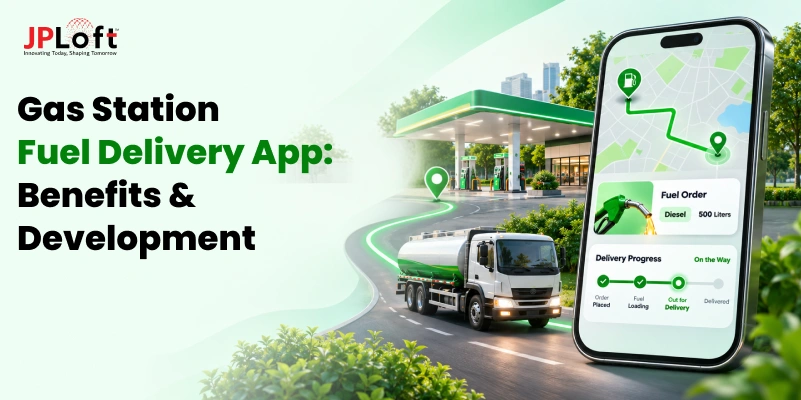
Also Read:- Fuel Delivery App for Gas Stations: Features, Benefits & How to Build One
What California Fuel Delivery Regulations Should Businesses Know?
Starting a fuel delivery business in California involves more than arranging fuel supplies and delivery vehicles. Business owners must understand fire safety, transportation, environmental, and local operating requirements before accepting orders.
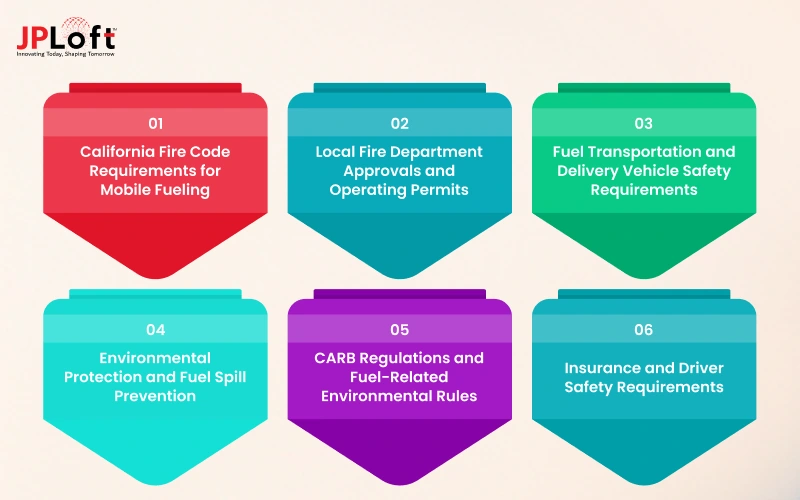
i) California Fire Code Requirements for Mobile Fueling
The 2025 California Fire Code Section 5707 covers on-demand mobile fueling of motor vehicles. It requires an operational permit and approved fueling locations. Commercial and industrial fueling may fall under separate Section 5706.5.4.5, depending on the operation and location.
The code also specifies safe distances, approved equipment, fire extinguishers, spill kits, and fueling procedures. For example, on-demand fueling generally requires a 25-foot separation between the fueling point and nearby buildings, property lines, or combustible storage.
ii) Local Fire Department Approvals and Operating Permits
A statewide code does not mean businesses receive automatic permission to operate everywhere. Local fire departments review applications and may request site plans, property-owner consent, emergency response plans, vehicle records, and inspections.
San Francisco, for example, restricts Class I mobile fueling in residential-zoned areas, on public streets, and inside buildings. Businesses should check local restrictions for every planned service area before accepting customer orders.
iii) Fuel Transportation and Delivery Vehicle Safety Requirements
Gasoline and other fuels can fall under hazardous materials transportation rules. Depending on fuel quantities and vehicle configurations, businesses may need a California Highway Patrol (CHP) hazardous materials transportation license, vehicle placards, and drivers with the required commercial licenses or endorsements.
Delivery vehicles must also meet applicable equipment and maintenance standards. Businesses should check federal transportation rules and CHP requirements before purchasing fuel tanks or deciding how much fuel each vehicle can carry.
iv) Environmental Protection and Fuel Spill Prevention
Fuel spills can contaminate soil, storm drains, and nearby waterways. California's mobile fueling rules require operators to follow spill prevention and emergency response procedures. Vehicles must also carry suitable spill control equipment.
Businesses handling hazardous materials above applicable reporting thresholds may need a Hazardous Materials Business Plan (HMBP). This plan is filed through the California Environmental Reporting System (CERS) and managed by the local Certified Unified Program Agency (CUPA).
v) CARB Regulations and Fuel-Related Environmental Rules
The California Air Resources Board (CARB) regulates fuel specifications and certain activities involved in distributing transportation fuels. Its Low Carbon Fuel Standard (LCFS) also sets carbon-intensity and reporting requirements for defined fuel-reporting entities.
A delivery business's obligations depend on whether it sells, supplies, imports, or produces regulated fuels. Simply operating a fuel delivery app does not automatically make every business subject to the same CARB requirements.
vi) Insurance and Driver Safety Requirements
Fuel delivery vehicles must carry the liability insurance required for operating on California roads. Certain commercial transportation activities may also have additional state or federal financial-responsibility requirements. Businesses employing drivers must provide workers' compensation coverage.
Beyond these requirements, owners should consider commercial general liability and pollution liability insurance. Drivers should receive proper fueling, vehicle handling, spill response, and emergency safety training before starting delivery operations.
Also Read:- Petrol Pump Management Software Development
What Features Should a Fuel Delivery App Have for California Operations?
Fuel delivery operations in California need more than basic order placement. Apps should help businesses manage location restrictions, changing fuel costs, delivery schedules, and records while supporting different customer types and local operating conditions across regions.
► Location-Based Fuel Delivery Availability
Custom fuel delivery app features should let users check whether a provider serves their current location before placing an order. Availability can depend on fuel type, delivery hours, vehicle access, and supplier capacity. Clear coverage details help prevent orders that operators cannot fulfill as planned.
► Approved Fueling Location and Service Area Validation
A service area alone is not enough. The app should distinguish customer addresses from locations approved for fueling under applicable fire codes and local permits. It can flag sites that need manual review, record site approvals, and prevent dispatch until required checks are fully complete.
► Real-Time Fuel Pricing and Delivery Fee Calculations
Fuel prices can change by supplier, product, and order size. The app should show the applicable price, delivery charge, minimum order, and any extra fees before checkout. For business accounts, pricing rules can reflect agreed rates, volume terms, and invoice arrangements for each customer group.
► Smart Route Planning for Urban and Regional Deliveries
Mobile fuel delivery technology California businesses adopt should account for traffic, delivery windows, and site distances. Route planning can consider vehicle capacity, fuel type, driver hours, and approved stops. Dispatchers can group orders, adjust for delays, and reduce unnecessary travel across busy service areas daily.
► Recurring Fuel Scheduling for Commercial Fleets
Businesses with daily or weekly refueling needs should be able to set recurring orders for each vehicle or site. Scheduling tools can capture preferred delivery windows, expected quantities, and changes to fleet activity, while allowing managers to pause or edit future orders without calling dispatch.
► Digital Fuel Delivery Records and Safety Checklists
Each completed delivery should create a digital record showing the customer, location, fuel type, quantity, time, and responsible driver. Checklists can guide pre-delivery site checks, equipment inspections, and spill-response readiness, giving managers a consistent record for audits and internal reviews for future checks and reviews.
► Business Account Management and Consolidated Billing
Commercial customers may need several vehicles, drivers, sites, and billing contacts under one account. The app should support role-based access, purchase limits, cost-center tags, and consolidated invoices. Managers can review fuel use by vehicle or location without collecting separate receipts from every driver each month.
Also Read:- How Can Multi-Fuel Distributors Streamline Customer Orders and Deliveries With a Unified Mobile App?
How Can Fuel Delivery Apps Solve Common Business Challenges in California?
Fuel delivery businesses in California face operational challenges that vary by location, customer type, and delivery volume. The right digital tools can help teams manage these demands consistently each day.
1. Managing Deliveries Across Large Service Areas
Serving customers across distant cities can stretch vehicles, drivers, and delivery windows. Route zones, order grouping, and capacity planning help operators assign practical schedules and avoid unnecessary travel between locations.
2. Handling Traffic Delays and Fuel Delivery Scheduling
California traffic can disrupt arrival times, especially around busy corridors and port areas. Live traffic updates and flexible delivery slots help dispatchers adjust routes and notify customers promptly about delays.
3. Managing Different Local Fueling Restrictions
Fueling rules can differ by city, site type, and permit conditions. Digital site records, approval checks, and location flags help teams identify local restrictions before dispatching a delivery vehicle there.
4. Controlling Delivery Costs and Fuel Price Changes
Fuel prices, supplier rates, and delivery expenses can change during the day. Pricing dashboards and order-level cost estimates help businesses review margins, explain charges, and plan purchases ahead of orders.
5. Coordinating Commercial Fleet Refueling
Fleet managers need fuel at the right sites without interrupting vehicle schedules. Shared calendars, vehicle-level usage records, and repeat orders help coordinate refueling across teams and shifts with fewer calls.
6. Managing Customer Orders Across Multiple Cities
Expanding into another city means managing new customers, suppliers, service zones, and local requirements. A central system with city-level settings helps teams maintain consistent processes while adapting operations by city.
Also Read:- How Can a Mobile Ordering App Help Propane Delivery Companies Streamline Their Business?
How to Launch a Fuel Delivery App for Business in California?
Launching a fuel delivery business in California requires clear decisions about customers, service locations, compliance, and daily operations. These steps help turn an initial business idea into a practical, well-planned launch with room to grow.
Step 1: Research Local Fuel Demand and Target Customers
Start by identifying who will use your fuel delivery service and what problems they need to solve. California has different customer groups, including individual vehicle owners, trucking companies, construction businesses, agricultural operators, and commercial fleets.
Study their fuel requirements, ordering habits, delivery schedules, and current refueling methods. Speak with potential customers to understand what they expect from a delivery service. This research will help you identify a suitable customer segment instead of trying to serve everyone from the beginning.
Step 2: Select a City and Fuel Delivery Business Model
Once you understand your target customers, choose the California city or region where you want to begin. Consider customer locations, supplier availability, delivery distances, operating expenses, and local requirements before deciding.
Next, select a business model that matches your customers. You could offer on-demand gasoline delivery, scheduled diesel refueling for commercial fleets, or recurring fuel services for businesses. Your choice will influence supplier partnerships, vehicle requirements, pricing, and daily operations.
Step 3: Verify Local Fueling Permissions and Requirements
Before investing in vehicles or accepting orders, check the permits and approvals required for your business model. Contact the local fire department to understand approved fueling locations, operational permits, and site-specific conditions. Also review applicable transportation, environmental, and hazardous materials requirements.
If you sell motor vehicle fuel directly, check California Department of Tax and Fee Administration (CDTFA) requirements. Mobile refueling retailers generally need a seller's permit and must calculate applicable taxes based on delivery locations. These charges can also include delivery-related fees.
Step 4: Build a California-Focused Fuel Delivery MVP
You do not need to build a large application with every possible feature at launch. Start with a Minimum Viable Product (MVP) that supports the main activities of your business, including fuel ordering, location checks, pricing, delivery scheduling, and payment processing.
Fuel delivery app development in California should also account for local operating conditions. Include approved location records, delivery area settings, business account management, and digital order records. These functions will help your team manage initial operations while collecting feedback for future improvements.
Step 5: Partner With Licensed Fuel Suppliers and Delivery Operators
Your application needs a reliable supply and delivery network to serve customers consistently. Identify fuel suppliers and delivery operators that meet the licensing, safety, and operational requirements applicable to your business. Discuss fuel types, supply capacity, wholesale pricing, delivery schedules, and service responsibilities before signing agreements.
Also establish clear procedures for order confirmation, fuel quality checks, delivery records, and handling delays. Strong supplier relationships help you maintain stock availability, manage costs, and avoid disruptions when customer orders increase.
Step 6: Test Fuel Ordering and Delivery Operations
Before making the application available to a wider audience, test the complete ordering and delivery process with a small group of users. Check whether customers can select the correct fuel, enter valid locations, view accurate charges, and receive order updates.
Your team should also test dispatch assignments, delivery confirmations, payment processing, and digital records. Run practical checks for delayed deliveries, incorrect orders, and failed payments. This will help identify problems early and give your team time to fix them before the public launch.
Step 7: Launch in One Service Area Before Expanding
Begin operations in one selected service area instead of covering several California cities immediately. A smaller launch gives your team more control over delivery schedules, supplier coordination, customer support, and operating expenses.
Track important business measures such as completed orders, delivery times, repeat customers, fuel usage, and cost per delivery. Collect customer feedback and identify areas that need improvement. Once your operations become consistent and financially workable, you can explore additional service areas and customer segments.
Also Read:- How Can Heating Oil Delivery Companies in the USA Modernize Customer Ordering With Mobile Apps?
How Much Does It Cost to Launch a Fuel Delivery App for Business in California?
Launching a fuel delivery business in California can cost approximately $15,000 to $140,000+, depending on the business model, service area, fuel type, and delivery capacity. This estimated range covers technology, permits, insurance, vehicles, equipment, and initial operating expenses. Actual costs may vary based on the scale of operations and local requirements. It is important to separate software development expenses from the wider costs of setting up and running the business.
App Development and Technology Costs
|
Cost category |
Main expenses |
Cost type |
|
App development and technology |
App development, integrations, hosting, maintenance |
Initial + recurring |
|
Permits and compliance |
Business registration, permits, approvals, safety requirements |
Initial + recurring |
|
Insurance |
Vehicle, general liability, workers' compensation, applicable pollution coverage |
Recurring |
|
Vehicles and equipment |
Delivery vehicles, tanks, pumps, hoses, safety equipment |
Initial + recurring |
|
Fuel and supplier setup |
Initial fuel inventory, supplier deposits, purchase commitments |
Initial + recurring |
|
Daily operations |
Driver wages, dispatch staff, maintenance, storage, utilities |
Recurring |
Ways to Reduce Initial Investment With an MVP
A focused launch can help control early expenses without compromising safety or compliance.
-
Start in one service area: Limit initial vehicle, staffing, and delivery requirements.
-
Choose one customer segment: Focus on fleets, construction businesses, or another clearly defined group.
-
Limit fuel options: Begin with products that match customer demand and supplier capacity.
-
Build essential app functions first: Prioritize ordering, location checks, scheduling, payments, and delivery management.
-
Expand gradually: Add vehicles, service areas, and advanced features after validating demand.
Also Read:- How a Branded Fuel Ordering App Helps US Fuel Delivery Companies Grow Their Business
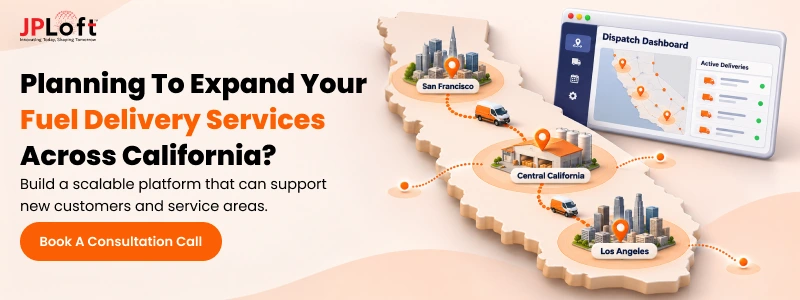
How Can JPLoft Help California Fuel Delivery Businesses Build the Right App?
Building a fuel delivery app for California requires an understanding of local operating conditions, customer needs, and delivery workflows. JPLoft helps businesses turn these requirements into practical digital solutions through custom mobile app and software development.
With 16+ years of experience and 1,250+ projects delivered, JPLoft develops fuel delivery platforms with features such as location-based ordering, delivery scheduling, real-time tracking, payment integration, and business account management. The team can also build custom workflows for fuel distributors, gas stations, and commercial fleet operators.
Whether you are launching in one California city or planning to expand across multiple service areas, JPLoft can help shape the platform around your business model. Its development approach supports your current requirements while leaving room for future growth.
Conclusion
California offers several opportunities for fuel delivery businesses across commercial fleets, trucking, agriculture, construction, and urban services. However, success depends on more than customer demand.
Businesses must understand regional fuel needs, choose suitable service areas, and identify customers who can support a sustainable operation. Local compliance is equally important. Fire department approvals, fueling location restrictions, transportation rules, insurance, and environmental requirements can affect how a service operates.
Review these factors before purchasing vehicles or accepting orders. Choosing the right business model also matters. A scheduled fleet fueling service may need different resources than an on-demand service for individual customers.
Start by validating demand, supplier availability, operating costs, and delivery requirements. Then invest in software that supports those needs.
With a practical plan and the right technology partner, businesses can build a fuel delivery platform that supports reliable operations and future expansion.
FAQs
Yes, mobile fuel delivery is permitted in California under applicable fire and safety rules. On-demand operations require an operational permit and may fuel only at approved locations. Local fire authorities can impose additional conditions, so legality depends on the service model and specific delivery site.
Yes. A startup can enter the market by choosing a defined customer group, service area, and fuel delivery model. Before accepting orders, it must arrange compliant suppliers and vehicles, obtain applicable permits and insurance, and confirm that proposed fueling locations are approved by authorities first.
Requirements depend on the operation and location. On-demand mobile fueling generally requires an operational permit under the California Fire Code, plus approved fueling locations and safety plans. Commercial-site fueling has separate provisions. Local fire departments may require site plans, permits, and additional approvals where applicable.
Potential markets include Los Angeles and the Inland Empire for logistics and trucking, the Bay Area for corporate and service fleets, San Diego for marine and commercial operations, and Sacramento and the Central Valley for agriculture and equipment. Validate local demand, suppliers, and approvals first.
Yes. Apps can support commercial fleets through recurring orders, vehicle-level records, scheduled deliveries, consolidated billing, and account controls. However, the software does not itself authorize fueling. Operators must confirm each site, obtain applicable permits, and follow fire-code, transportation, and safety requirements at approved sites consistently.
Software development costs depend on app scope, features, integrations, and platform complexity. The broader business launch budget discussed in this article is approximately $15,000 to $140,000+, covering technology and other setup needs. Vehicle, equipment, permit, insurance, and operating expenses affect the final amount overall.
Not automatically. California's Fire Code limits on-demand mobile fueling to approved locations and sets separation and safety conditions. San Francisco also prohibits certain Class I mobile fueling in residential-zoned areas or areas with residential use. Check the local fire authority before promising residential service there.
Useful features include location eligibility checks, approved-site records, service-area controls, digital permits and safety documents, driver checklists, delivery logs, and spill-response records. These tools help teams follow procedures consistently, but cannot replace official approvals, trained operators, required equipment, or compliance reviews by local authorities themselves.
Timing depends on permits, supplier agreements, vehicle readiness, insurance, app scope, and local site approvals. A focused launch in one service area may take less time than a multi-city operation. Build a realistic schedule after confirming regulatory requirements, supplier capacity, vehicle availability, and testing.
Yes. One platform can manage multiple cities through separate service zones, location approvals, delivery schedules, pricing rules, and operational settings. However, each city may have different fire department requirements and approved locations. Review local rules before expanding, and configure the app to enforce those differences.

Savannah Bustos is a technology professional with experience across financial platforms, mobility solutions, and on-demand digital products. Her areas of expertise include FinTech, digital banking, eWallets, lending, BNPL, stock trading, fuel delivery, and taxi-booking platforms. She combines a strong understanding of business requirements with practical technology insight, helping companies evaluate challenges, define product needs, and make informed decisions about scalable digital solutions.


Share this blog