


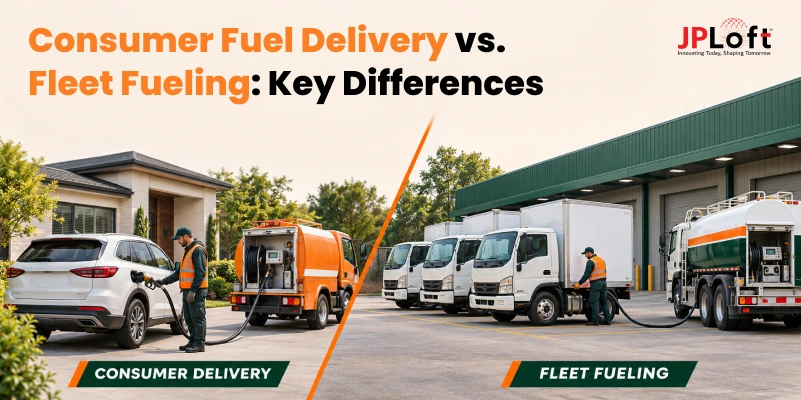
Starting a fuel delivery business can be a promising opportunity, but choosing the right business model is not always easy. Should you deliver fuel directly to individual vehicle owners or focus on businesses that need regular fleet refueling?
Both consumer fuel delivery and fleet fueling offer different opportunities, but their customer needs, operating costs, delivery processes, and revenue potential vary.
Consumer fuel delivery focuses on convenience, allowing customers to order fuel at their preferred locations. On the other hand, fleet fueling serves businesses that need scheduled refueling for multiple vehicles.
For startups and fuel suppliers, understanding these differences is important before investing in vehicles, equipment, and technology.
This blog compares consumer fuel delivery vs. fleet fueling, covering how each model works, its profitability, challenges, and software requirements to help you choose the right approach for your business.
Visit: Fuel Delivery App Development Company
What is Consumer Fuel Delivery, and How Does It Work?
Consumer fuel delivery is a B2C business model where companies deliver fuel directly to individual customers at their preferred locations. Instead of visiting a gas station, customers can order fuel for their vehicles through a mobile app or website.
A Consumer Fuel Delivery Business mainly serves private vehicle owners who need refueling at home, workplaces, parking areas, or other approved locations.
This model focuses on convenience and saves customers the time and effort of visiting fuel stations.
How Does Consumer Fuel Delivery Work?
The process typically involves the following steps:
-
Customer Registration: Customers create an account on the fuel delivery app and add their vehicle and location details.
-
Fuel Selection: Users choose the required fuel type and quantity based on their vehicle's needs.
-
Order Placement: Customers select an available delivery time, confirm their location, and place an order.
-
Order Assignment: The company assigns the request to an available fuel delivery vehicle and driver.
-
Fuel Delivery: The driver reaches the approved location and safely refuels the customer's vehicle.
-
Payment and Confirmation: Customers complete payment through supported methods and receive an order confirmation or digital receipt.
Common Use Cases of Consumer Fuel Delivery
This model is suitable for individual car owners, busy professionals, residential communities, and customers who prefer scheduled refueling.
It can also serve people who want fuel delivered to their parked vehicles without making a separate trip to a gas station.
However, businesses must follow applicable local fuel transportation, storage, and dispensing regulations before offering these services.
Also Read: How Fuel Delivery Apps Work? A Complete Guide
What is Fleet Fueling, and How Does it Work?
Fleet fueling is a B2B fuel delivery business model where companies supply fuel directly to commercial vehicles, trucks, and equipment at designated locations. Instead of sending each vehicle to a gas station, businesses arrange fuel deliveries based on their operational needs.
Commercial Fleet Fueling mainly serves logistics companies, transportation providers, construction businesses, delivery fleets, and other organizations operating multiple vehicles.
Unlike consumer fuel delivery, this model focuses on larger fuel volumes, scheduled refueling, centralized billing, and long-term business relationships.
How Does Fleet Fueling Work?
The fleet fueling process generally involves the following steps:
-
Business Account Registration: Companies create business accounts and provide details about their vehicles, fuel requirements, and operating locations.
-
Fuel Supply Agreement: The provider and business agree on fuel pricing, delivery schedules, payment terms, and service conditions.
-
Fuel Scheduling: Fleet managers arrange regular or scheduled refueling based on vehicle usage and business requirements.
-
Delivery Planning: The fuel supplier assigns delivery vehicles and plans routes to serve multiple commercial vehicles efficiently.
-
On-Site Refueling: Trained drivers deliver fuel to approved locations and refuel commercial vehicles or equipment following safety requirements.
-
Fuel Tracking and Billing: Businesses receive digital fuel delivery records, consumption reports, and invoices for completed services.
Common Use Cases of Fleet Fueling
Fleet Fueling Services are commonly used by trucking companies, delivery businesses, construction contractors, rental fleets, and organizations managing commercial vehicles.
This model is particularly useful for companies that need regular fuel supplies, want to reduce vehicle downtime, and prefer centralized fuel management across their operations.
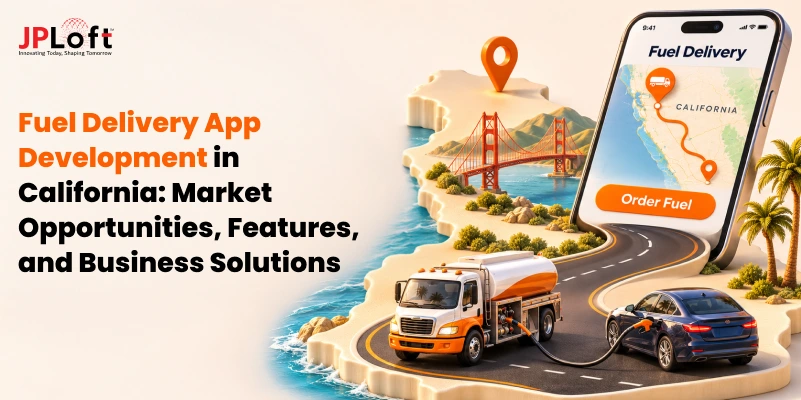
Also Read: Fuel Delivery App Development in California: Market Opportunities, Features, and Business Solutions
Consumer Fuel Delivery vs. Fleet Fueling: Key Differences
Consumer fuel delivery and fleet fueling serve different customer groups, which affects their operations, revenue opportunities, and business growth. Understanding these differences helps startups and fuel suppliers choose a model that fits their investment, target audience, and delivery capabilities.
The table below compares both Fuel Delivery Business Models across important business factors.
|
Comparison Factors |
Consumer Fuel Delivery (B2C) |
Fleet Fueling (B2B) |
|
Target Customers |
Individual car owners, commuters, and residential customers |
Logistics companies, transport businesses, construction firms, and commercial fleets |
|
Order Size |
Smaller fuel quantities based on individual vehicle needs |
Larger fuel volumes for multiple vehicles or equipment |
|
Order Frequency |
One-time, occasional, or scheduled orders |
Regular, scheduled, or contract-based deliveries |
|
Revenue Model |
Revenue from fuel sales and applicable delivery or service fees |
Revenue from bulk fuel sales, service fees, and ongoing business contracts |
|
Delivery Logistics |
Multiple delivery locations with varying customer requests |
Planned routes to business sites, fleet yards, and approved fueling locations |
|
Billing & Payments |
Individual payments through apps, cards, or other supported methods |
Centralized invoicing, business accounts, and agreed payment terms |
|
Customer Relationships |
Focus on convenience, customer experience, and repeat orders |
Focus on long-term contracts, reliable supply, and business relationships |
|
Operating Challenges |
Unpredictable demand, smaller orders, and higher delivery costs per gallon |
Managing large fuel requirements, delivery schedules, and contract commitments |
|
Growth Opportunities |
Expansion into new service areas and larger consumer markets |
Expansion through fleet contracts, commercial customers, and multiple business locations |
|
Technology Requirements |
Customer ordering apps, delivery tracking, payments, and notifications |
Fleet management dashboards, scheduled refueling, fuel tracking, and automated billing |
Also Read: How Can Multi-Fuel Distributors Streamline Customer Orders and Deliveries With a Unified Mobile App?
Which Fuel Delivery Business Model Offers Better Profit Potential?
Profitability in fuel delivery depends on more than fuel sales alone. Both business models have different revenue opportunities, operating expenses, and customer demands. Comparing these factors helps startups understand which model can generate better returns based on their resources.
1. Revenue Per Order and Fuel Sales Volume
Consumer fuel delivery usually involves smaller orders, with revenue coming from fuel sales and delivery fees. Profit depends on order volume and pricing.
In comparison, Commercial Fleet Fueling handles larger fuel quantities across multiple vehicles. Although margins vary, higher sales volumes can create stronger revenue opportunities when delivery costs remain under control.
2. Customer Acquisition and Retention Costs
Attracting individual customers often requires ongoing advertising, promotional offers, and customer engagement. Repeat orders depend on convenience, pricing, and service quality.
A Fleet Fuel Delivery Business may spend more time securing commercial clients. However, long-term business relationships can reduce repeated customer acquisition expenses and support consistent demand once contracts are established.
3. Delivery Costs and Route Efficiency
Consumer deliveries may involve smaller orders spread across different locations, increasing travel time and fuel expenses. Efficient scheduling becomes important for controlling costs.
Fleet fueling often serves multiple vehicles at one location, allowing providers to complete larger deliveries with fewer stops. However, profitability still depends on delivery distance, vehicle utilization, and operational planning.
4. Recurring Revenue and Contract Opportunities
Consumer fuel delivery businesses can generate repeat sales through scheduled orders, loyalty programs, and reliable service. However, customer demand may change frequently.
Fleet Fueling Services can offer more predictable revenue through recurring delivery agreements and commercial contracts. These arrangements help businesses plan fuel purchases, delivery schedules, and cash flow, although profitability depends on contract terms.
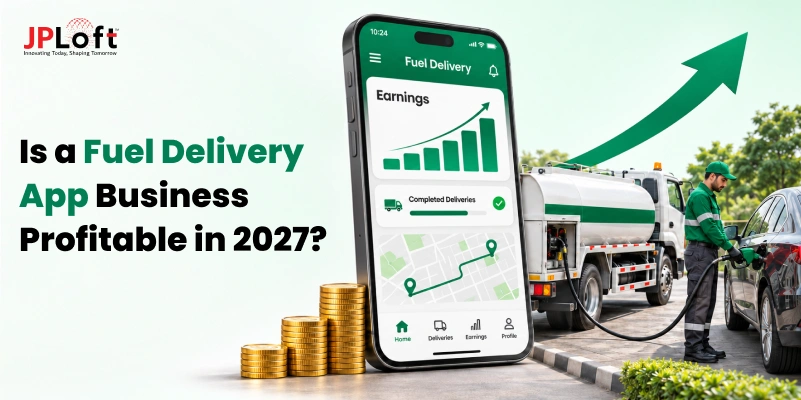
Also Read: Is a Fuel Delivery App Business Profitable in 2027?
What Challenges Should You Consider Before Choosing Either Model?
Both consumer fuel delivery and fleet fueling come with operational and financial challenges that can affect business performance. Understanding these challenges before investing helps startups prepare better strategies, control delivery expenses, and choose a model that matches their capabilities.
Challenge 1: Managing Unpredictable Consumer Demand
Consumer fuel delivery businesses may experience changing order volumes based on customer needs, locations, and seasonal demand. This makes daily delivery planning difficult.
During periods of low demand, delivery vehicles may remain underused, while sudden increases in orders can create scheduling problems, longer delivery times, and higher operating expenses.
Solution: Use demand forecasting, scheduled ordering, and location-based delivery planning to manage changing customer requests. Encourage repeat purchases through loyalty programs and flexible refueling schedules to maintain consistent order volumes.
Challenge 2: Securing and Maintaining Fleet Contracts
Fleet fueling businesses often depend on commercial agreements to maintain regular fuel demand. However, securing contracts requires competitive pricing, reliable service, and strong business relationships.
Losing a major fleet customer can significantly affect revenue, especially when the business depends on a limited number of commercial clients for fuel sales.
Solution: Offer flexible contracts, transparent pricing, and reliable delivery schedules. Build relationships with different commercial customers to reduce dependency on individual accounts and support stable business revenue over time.
Challenge 3: Managing Fuel Delivery Costs and Logistics
Both business models involve expenses related to delivery vehicles, fuel transportation, driver wages, insurance, and equipment maintenance. Poor route planning can increase these costs.
For Mobile Fuel Delivery Services, managing delivery distances, order quantities, and vehicle availability is important to avoid unnecessary trips and protect profit margins.
Solution: Use route optimization, delivery scheduling, and vehicle tracking systems to improve daily operations. Group nearby orders, monitor delivery expenses, and maintain vehicles regularly to reduce avoidable operating costs.
Challenge 4: Meeting Fuel Transportation and Safety Regulations
Fuel transportation and delivery businesses must follow applicable safety, storage, and transportation regulations. Requirements may differ based on fuel type, operating location, and delivery method.
Failing to obtain necessary permits or follow approved refueling procedures can result in penalties, business interruptions, and safety risks for drivers and customers.
Solution: Review federal, state, and local regulations before launching operations. Obtain required permits, train drivers in safe fuel handling, maintain compliant equipment, and conduct regular safety inspections to reduce risks.
Also Read: Fuel Delivery App for Gas Stations: Features, Benefits & How to Build One
How Do App Requirements Differ for Consumer and Fleet Fueling?
Consumer and fleet fueling businesses require different software features because their customers, ordering processes, and delivery operations vary. Choosing the right features helps businesses manage fuel orders, improve delivery efficiency, and provide a better experience for their target customers.
1. Consumer Fuel Delivery App Requirements
A Consumer Fuel Delivery Business needs a user-friendly mobile app that allows individual customers to order fuel, schedule deliveries, and make payments. The focus is on convenience, simple ordering, and quick service.
|
App Features |
Description |
|
Customer Registration |
Allow customers to create accounts and save personal, vehicle, and delivery details. |
|
Fuel Selection and Ordering |
Enable users to choose fuel types, enter quantities, and place orders through the app. |
|
On-Demand Fuel Delivery |
Let customers request fuel deliveries based on available service locations and delivery slots. |
|
Real-Time Delivery Tracking |
Provide delivery status updates and driver location tracking where supported. |
|
Secure Payment Options |
Support online payments, digital receipts, and transparent delivery charges. |
|
Order History and Reordering |
Allow customers to view previous purchases and reorder fuel without entering details again. |
2. Fleet Fueling Software Requirements
A fleet fueling platform focuses on managing commercial accounts, multiple vehicles, recurring fuel orders, and business billing. It helps fleet operators monitor consumption and coordinate refueling across different locations.
|
Software Features |
Description |
|
Business Account Management |
Manage company profiles, multiple users, vehicle details, and authorized account access. |
|
Fleet Vehicle Management |
Maintain vehicle records, fuel types, tank capacities, and refueling requirements. |
|
Scheduled Fuel Deliveries |
Automate recurring refueling schedules based on agreed delivery plans and vehicle availability. |
|
Fuel Consumption Monitoring |
Track fuel delivered to individual vehicles and generate reports for fleet managers. |
|
Contract and Pricing Management |
Manage customer-specific pricing, fuel supply agreements, and service terms. |
|
Centralized Billing and Invoicing |
Generate consolidated invoices, manage payment terms, and maintain transaction records. |
3. Shared Features Both Business Models Need
Despite their differences, both Fuel Delivery Business Models require essential software capabilities to manage fuel orders, coordinate drivers, and maintain safe and reliable delivery operations.
|
Common Features |
Description |
|
Order Management Dashboard |
View, assign, update, and manage incoming fuel delivery requests from one system. |
|
Driver Management |
Assign drivers, monitor delivery activities, and track completed orders. |
|
GPS and Route Optimization |
Plan efficient delivery routes and reduce unnecessary travel between fueling locations. |
|
Fuel Inventory Management |
Monitor available fuel quantities and update inventory records after completed deliveries. |
|
Notifications and Alerts |
Send order confirmations, delivery updates, and important service notifications. |
|
Reports and Analytics |
Track delivery performance, fuel sales, operating expenses, and customer activity. |
|
Security and Access Controls |
Protect customer information, payment records, and business data through appropriate security measures. |
Also Read: How Can a Mobile Ordering App Help Propane Delivery Companies Streamline Their Business?
Can You Combine Consumer Fuel Delivery and Fleet Fueling?
Yes, businesses can combine consumer fuel delivery and fleet fueling into a hybrid business model that serves both individual vehicle owners and commercial fleets. This approach allows fuel suppliers to reach different customer groups while managing operations through a shared delivery system.
However, running both models requires proper planning, as customer expectations, order sizes, and delivery schedules differ.
Here is how businesses can manage a hybrid fuel delivery model effectively:
-
Shared Delivery Infrastructure: Businesses can use the same fuel supply network, delivery vehicles, drivers, and management systems to serve both markets, provided the equipment and operations meet applicable requirements.
-
Separate Customer Workflows: Individual customers can place one-time or scheduled orders through a mobile app, while commercial clients can manage fleet accounts, recurring deliveries, and centralized billing.
-
Centralized Delivery Management: A unified platform can help businesses manage incoming orders, assign drivers, track fuel inventory, and coordinate deliveries across both customer groups.
-
Phased Market Expansion: Startups can begin with one business model, understand customer demand, and gradually introduce the second model as their delivery capacity and resources increase.
-
Better Resource Utilization: Combining scheduled fleet deliveries with consumer orders may help businesses use available vehicles and drivers more efficiently, depending on demand and delivery locations.
A hybrid model can create additional revenue opportunities, but managing two customer groups also increases operational complexity.
Also Read: Challenges in Developing a Fuel Delivery App: Tips For Success
How to Choose the Right Fuel Delivery Business Model for Your Startup?
Choosing between consumer fuel delivery and fleet fueling requires understanding your target market, available budget, and operational capabilities. Startups should compare both models based on customer demand, delivery requirements, and growth opportunities before investing in vehicles, equipment, and software.
1. Evaluate Your Target Customers and Market Demand
Start by identifying which customers need fuel delivery in your target area. Consider these factors before selecting your business model:
-
Customer Type: Identify whether individual vehicle owners or commercial fleet operators offer better opportunities.
-
Local Demand: Research fuel consumption patterns, customer needs, and existing delivery services.
-
Competition: Evaluate competing fuel suppliers, their pricing, and the services they offer.
-
Order Frequency: Determine whether customers prefer occasional fuel deliveries or regular refueling contracts.
2. Compare Startup Investment and Operating Costs
Both models require investment, but their financial needs differ based on delivery operations and customer requirements. Evaluate the following expenses:
-
Initial Investment: Calculate vehicle, equipment, licensing, insurance, and technology costs.
-
Customer Acquisition: Compare consumer marketing expenses with the cost of securing commercial fleet contracts.
-
Operating Expenses: Estimate driver wages, vehicle maintenance, fuel transportation, and daily delivery costs.
-
Revenue Potential: Compare expected order volumes, profit margins, and recurring sales opportunities.
3. Assess Fuel Supply and Delivery Capabilities
Reliable fuel sourcing and delivery management are necessary for operating either business model successfully. Review these operational requirements:
-
Fuel Suppliers: Establish reliable supply agreements to maintain fuel availability and competitive pricing.
-
Delivery Capacity: Evaluate whether your vehicles and equipment can handle expected fuel quantities.
-
Driver Availability: Ensure trained drivers are available to complete deliveries safely and on schedule.
-
Delivery Planning: Assess your ability to manage multiple consumer locations or scheduled commercial refueling.
4. Select a Model That Supports Long-Term Growth
Choose a business model that matches your current resources while offering opportunities for future expansion. Consider these growth factors:
-
Market Expansion: Evaluate opportunities to serve new locations and customer groups.
-
Customer Retention: Focus on repeat consumer orders or long-term commercial fueling agreements.
-
Technology Scalability: Invest in software that can support growing order volumes and additional services.
-
Business Flexibility: Consider whether your operations can eventually support both consumer and fleet fueling.

Conclusion
Choosing between consumer fuel delivery and fleet fueling depends on your target customers, investment capacity, and long-term business goals. Both models offer revenue opportunities, but their operations, delivery requirements, and customer expectations differ.
Consumer fuel delivery focuses on convenience and individual orders, making it suitable for businesses targeting private vehicle owners. Fleet fueling serves commercial clients through larger fuel volumes, scheduled deliveries, and ongoing contracts.
Before making a decision, startups should evaluate market demand, operating costs, fuel supply arrangements, and potential profit margins.
Technology also plays an important role in managing orders, tracking deliveries, and improving daily operations.
Whether you choose consumer delivery, fleet fueling, or a hybrid approach, building the right software platform can support efficient operations and future expansion.
Ultimately, the best business model is one that matches your resources, meets customer needs, and supports sustainable business growth.
FAQs
Consumer fuel delivery serves individual vehicle owners through one-time or scheduled orders. Fleet fueling supplies fuel to commercial vehicles through regular deliveries and business agreements. The main differences involve customer types, order quantities, delivery schedules, payment methods, and operational requirements.
Fleet fueling may offer more predictable revenue through larger orders and recurring commercial contracts. Consumer fuel delivery can also generate profits with sufficient demand and efficient operations. Actual profitability depends on fuel margins, delivery expenses, customer acquisition costs, and order frequency.
Consumer fuel delivery can be a suitable business opportunity for startups targeting customers who value convenience. However, success depends on local demand, delivery costs, competition, and regulatory approval. Starting within a limited service area can help businesses test market demand.
Starting costs vary depending on delivery vehicle capacity, fueling equipment, permits, insurance, and software requirements. Businesses must also budget for fuel inventory and daily operations. A reliable estimate requires evaluating local regulations, expected delivery volumes, and available business resources.
Fleet fueling can have lower delivery costs per gallon when multiple vehicles are refueled at one location. Consumer delivery may involve more stops and travel expenses. However, actual costs depend on route efficiency, fuel volumes, staffing, and equipment.
Yes, businesses can operate a hybrid model serving individual customers and commercial fleets. A shared delivery management system can support both operations. However, separate ordering processes, pricing structures, billing methods, and delivery schedules are necessary to meet different customer requirements.
Requirements may include business licenses, fire department permits, hazardous materials transportation compliance, and approved fueling locations. Specific permits depend on fuel type, vehicle capacity, and local regulations. Businesses should confirm federal, state, and local requirements before starting operations.
Fleet fueling companies can attract commercial clients by offering competitive pricing, reliable deliveries, and flexible refueling schedules. Building relationships with logistics providers, construction companies, and transportation businesses helps generate opportunities. Clear service agreements and consistent performance support long-term customer retention.
Consumer fuel delivery apps should support fuel ordering, delivery scheduling, tracking, and secure payments. Fleet fueling platforms require commercial accounts, recurring orders, vehicle records, and centralized billing. Both systems benefit from driver management, route planning, inventory tracking, and reporting tools.
Fuel delivery software helps businesses manage orders, assign drivers, schedule deliveries, and monitor fuel inventory through one platform. It can support consumer orders and commercial fleet accounts separately while providing centralized reporting, improving operational visibility, and reducing manual administrative work.

Savannah Bustos is a technology professional with experience across financial platforms, mobility solutions, and on-demand digital products. Her areas of expertise include FinTech, digital banking, eWallets, lending, BNPL, stock trading, fuel delivery, and taxi-booking platforms. She combines a strong understanding of business requirements with practical technology insight, helping companies evaluate challenges, define product needs, and make informed decisions about scalable digital solutions.


Share this blog