


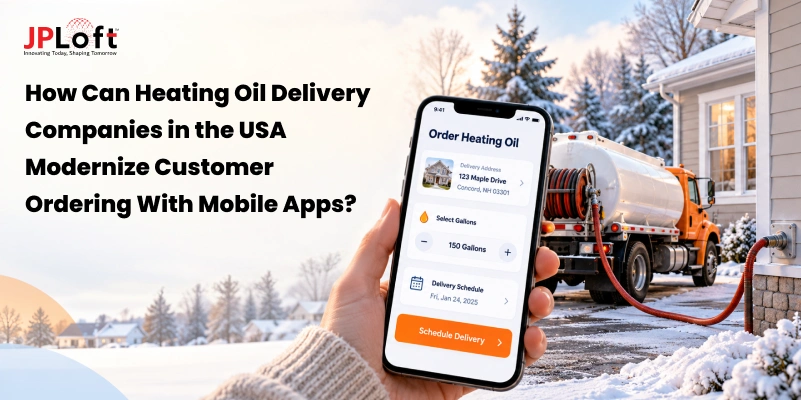
Heating oil customers expect to check a price, place an order, and pick a delivery date in minutes. When ordering still depends on phone calls, that expectation becomes hard to meet.
Across the USA, many heating oil companies still run orders through calls and paper records. Staff answer the same price questions, and winter demand pushes every call, note, and delivery change onto a small team.
A mobile ordering app gives customers a simpler way to order and gives your team clear, organized orders to manage during the busiest winter weeks.
Many suppliers now explore heating oil delivery app development services to build an app around their pricing, payment plans, and delivery areas, without losing the personal service that keeps customers loyal.
This blog covers the ordering problems an app can solve and what to check before moving customers online.
Visit Now: Fuel Delivery App Development Company
Heating Oil Customer Ordering Challenges Mobile Apps Can Address
|
Heating Oil Ordering Challenge |
How a Mobile App Helps |
|
High order volumes during winter |
Customers order any time, and each order lands in one clear list |
|
Repeated calls about heating oil prices |
Current price per gallon shows on the ordering screen and updates for everyone at once |
|
Customers unsure of the right quantity |
Simple gallon options, tank size, last order, and minimum limits guide the choice |
|
Different payment plans and billing arrangements |
Each customer is linked to their plan, with the right payment options at checkout |
|
Confusion over delivery dates and availability |
Open delivery slots based on your real schedule, with confirmations and updates |
|
Orders taken through phone calls and paper records |
Orders captured directly with address, quantity, and notes already filled in |
|
Order changes and cancellations during peak demand |
Customers edit or cancel within your time limit, and the order list updates right away |
|
Getting existing customers to reorder |
Saved past orders, reminders, and seasonal offers make reordering easy |
Heating oil customers want current prices, easy ordering, and clear delivery dates. When phone calls and paper records handle all of this, winter becomes a rush. These challenges show where mobile apps can improve ordering.
1. Managing High Customer Order Volumes During Winter
Winter brings a flood of heating oil orders. Many customers wait for a cold week before they call, so requests reach the office all at once.
Phone lines get busy, and staff struggle to log every order correctly while also answering questions and planning deliveries.
Missed calls and rushed notes lead to lost orders, wrong quantities, and customers who feel ignored when they need heat the most, and some may simply call a competitor instead.
How A Mobile App Helps:
The app lets customers place orders themselves, any time of day. Each order lands in one clear list with the address, quantity, and date, so the office can handle more orders without adding to the phone queue.
2. Responding to Repeated Customer Inquiries About Heating Oil Prices
Heating oil prices change often, and customers want to know today’s price before they order. Many call the office just to ask the price per gallon.
Staff repeat the same answer all day, especially during cold snaps when more people call, and each call takes time away from taking real orders.
When prices shift, some customers get old numbers, which leads to confusion at delivery time and complaints about the final bill, and unhappy customers may shop around.
How A Mobile App Helps:
The app shows the current price per gallon right where customers place their order. When prices change, one update in the system reaches every customer, so fewer people need to call and ask.
3. Helping Customers Select the Right Heating Oil Quantity
Many customers are not sure how many gallons to order. Some choose a small amount to save money, while others order too much without checking their tank size.
Staff then spend time on calls to check tank size, past orders, and delivery limits before they can confirm the order.
Small orders cost more to deliver, and an underfilled tank can mean another trip soon after, which hurts both customer satisfaction and delivery profit over the season.
How A Mobile App Helps:
The app can offer simple quantity options, such as popular gallon amounts, along with the customer’s tank size and last order. It can also show minimum order limits, so customers choose the right amount with confidence.
4. Managing Different Payment Plans and Billing Arrangements
Heating oil customers pay in different ways. Some pay on delivery, some follow budget plans, and others use fixed price or pre-buy agreements.
Each plan comes with its own rules, so staff must check the account before they confirm any order or quote any price.
Small mistakes can lead to wrong invoices, billing disputes, and delayed payments, and these problems often reach the owner’s desk, taking time away from running the business and serving customers.
How A Mobile App Helps:
The app can link each customer to their payment plan. It then shows the right payment options at checkout and passes correct billing details to your office, so staff spend less time checking accounts by hand.
5. Handling Customer Confusion Over Delivery Dates and Availability
Customers often do not know when they can expect a delivery. They call to ask which days are open, when the truck will arrive, or if same-day delivery is possible.
Dispatchers must then check routes and truck space before giving an answer, and the answer may change later in the day.
When a promised date slips, customers get upset, especially in cold weather, and some lose trust in the company, which makes them less likely to order again.
How A Mobile App Helps:
The app shows open delivery dates and slots based on your real schedule. Customers pick what suits them, get a confirmation, and receive updates if anything changes, so fewer people call to ask about timing.
6. Processing Heating Oil Orders Through Phone Calls and Paper Records
Many heating oil companies still write orders on paper or type them in by hand after a call. Each order passes through several hands before it reaches the driver.
Handwriting can be hard to read, notes can be lost, and details like gate codes or tank location can be left out.
These small errors cause wrong deliveries and repeat trips, and they make it hard to find an order quickly when a customer calls to ask about it.
How A Mobile App Helps:
The app captures each order directly from the customer, with the address, quantity, and delivery notes already filled in. This removes retyping, cuts errors, and gives drivers clear, complete details for every stop.
7. Managing Customer Order Changes and Cancellations During Peak Demand
Plans change quickly in winter. A customer may need oil sooner, want a different amount, or cancel an order after a milder week.
Each change needs a call to the office, and staff must find the original order, update it, and pass the change to dispatch before the truck leaves.
During peak demand, this is easy to miss. A driver may arrive for a cancelled order or deliver the wrong amount, which wastes time, fuel, and truck space.
How A Mobile App Helps:
Customers can edit or cancel orders in the app within the time limit you set. Changes update the order list right away, so dispatch and drivers always work from the latest information.
8. Encouraging Existing Customers to Place Repeat Heating Oil Orders
Most heating oil customers order from the same company year after year, but few get a reminder when it is time to order again.
Many wait until the tank is low, then call whichever supplier answers first, and a competitor with a faster or easier process can win the order.
Without a simple way to reorder or stay in touch, suppliers depend on customer memory and miss repeat sales that should have been easy to keep.
How A Mobile App Helps:
The app saves past orders, so customers can reorder with a few taps. Reminders and seasonal offers keep your company in front of customers and make it easy to order again before they call anyone else.
What Should Heating Oil Companies Consider Before Moving Customers to Mobile Ordering?
Moving customers to an app works best with a clear plan. A heating oil delivery app development company can help, but your team should check a few key points before launch to protect service quality.
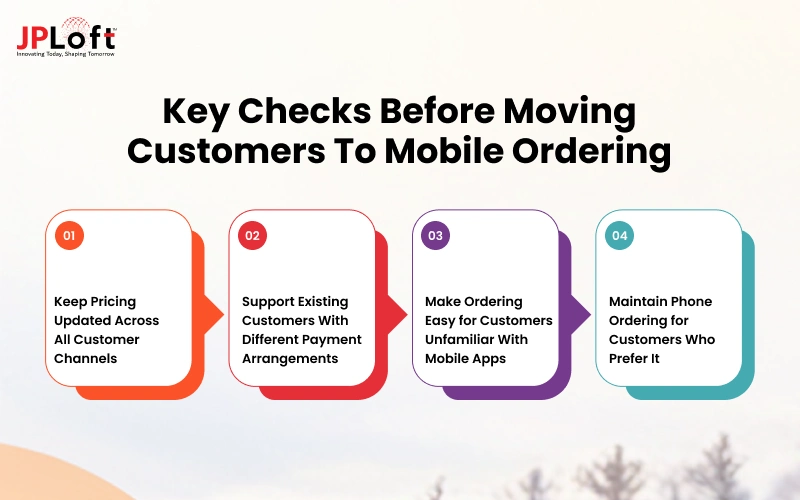
1. Keep Pricing Updated Across All Customer Channels
Heating oil prices change often, so customers should see the same price in the app, on the phone, and in any message. Mismatched prices cause confusion, complaints, and billing disputes. Plan one system where a single price update reaches every customer channel at the same time.
2. Support Existing Customers With Different Payment Arrangements
Your customers may use budget plans, pay on delivery, or follow fixed price agreements. The app must respect each arrangement from the first order. Check that payment options, account balances, and billing rules carry over correctly from your current system, so no customer is charged the wrong way.
3. Make Ordering Easy for Customers Unfamiliar With Mobile Apps
Many heating oil customers have never used an ordering app before. Keep the app simple, with large buttons, few steps, and clear words. Offer short guides, a quick tour, and friendly help, so first-time users feel confident and do not give up halfway through an order.
4. Maintain Phone Ordering for Customers Who Prefer It
Some customers will always prefer to call, and that is fine. Keep your phone line open and train staff to enter phone orders in the same system as app orders. This keeps every order in one place and protects the personal service your customers value.
How Can JPLoft Help Heating Oil Companies Modernize Their Ordering Experience?
JPLoft helps heating oil companies move from phone calls and paper records to a simple ordering experience that customers find easy to use. The goal is fewer calls, fewer errors, and more repeat orders each season.
As a trusted heating oil delivery app development company, JPLoft builds the app around your pricing, payment plans, delivery areas, and customer records, so it matches how your business already runs.
Customers can view current prices, choose gallon amounts, pick delivery dates, change orders, and reorder in a few taps. Your team receives clear orders in one place, whether they come from the app or the phone.
JPLoft connects the app with your existing customer and billing records, plans a gradual rollout, and trains your team. After launch, ongoing support helps the app keep up with winter demand and changing customer needs.
Visit Now: On-demand Fuel Delivery App Development Company
Conclusion
Heating oil ordering should be simple for customers and manageable for your team. When orders depend on phone calls and paper notes, winter demand turns into missed requests, pricing confusion, and last-minute changes.
A mobile ordering app brings these tasks into one place. Customers can see current prices, choose the right quantity, pick a delivery date, and reorder in a few taps. Your team gets clear orders and fewer repeat calls.
A smooth move needs planning. Keep prices consistent across every channel, respect payment plans, make the app easy for new users, and keep phone ordering open for those who prefer it.
With a partner like JPLoft, heating oil companies can modernize ordering while keeping the personal service customers trust.
FAQs
A mobile app collects every heating oil order in one place, with the address, gallon amount, and delivery date already filled in. Customers can order, change, or reorder on their own, so staff spend less time on calls and paper notes, and make fewer mistakes during the busiest winter weeks.
Yes, the app can show the current price per gallon on the ordering screen. When you update the price in your system, the change reaches every customer at once, so no customer sees an old price. This reduces price calls to your office and avoids confusion about the final bill.
Yes, the app can link each customer to their payment plan, such as budget plans, pay on delivery, or fixed price agreements. It then shows the right options at checkout and shares correct billing details with your office, so staff spend much less time checking accounts by hand each day.
Yes, phone ordering can stay open for customers who prefer it, and their service does not change. Staff enter phone orders into the same system as app orders, so every request appears in one list. This keeps service personal while your team still gets clear, organized orders to plan deliveries.
The cost to build a heating oil delivery app depends on features, integrations, platforms, and design needs. A simple ordering app costs less, while one with payment plans, billing links, and order tracking costs more. A discovery call with a development team helps define the scope and gives a clearer cost estimate for your heating oil business.
A basic ordering app can take a few months, while apps with payment plan support and system integrations take longer. The timeline depends on features, existing systems, and testing. A clear scope at the start helps the project stay on track, and planning ahead lets you launch before the winter rush.

Savannah Bustos is a technology professional with experience across financial platforms, mobility solutions, and on-demand digital products. Her areas of expertise include FinTech, digital banking, eWallets, lending, BNPL, stock trading, fuel delivery, and taxi-booking platforms. She combines a strong understanding of business requirements with practical technology insight, helping companies evaluate challenges, define product needs, and make informed decisions about scalable digital solutions.


Share this blog