


Key Takeaways:
Spotify alternatives offer unique features like better audio, personalization, and flexible listening experiences for users.
Leading music platforms compete through AI recommendations, immersive audio, and smarter discovery features in 2026.
Choosing the right music app depends on sound quality, pricing, features, and device compatibility.
Emerging technologies are transforming streaming with voice controls, connected devices, and AI-powered experiences.
Businesses can create competitive music platforms by focusing on innovation, usability, and user expectations.
JPLoft helps businesses build scalable digital solutions with modern features and industry-focused development expertise.
Music streaming has changed how people discover and enjoy songs. While Spotify remains a leading platform, many listeners now explore other options for better audio, pricing, features, and personalization. The growing demand has created several best Spotify alternatives that offer unique experiences for different types of users.
The global music streaming market is continuing its expansion, with the market projected to reach $158.1 billion by 2033. This growth is encouraging more platforms to compete with Spotify by improving personalization, audio quality, and overall listening experiences.
In this guide, we will explore popular Spotify alternatives and compare what makes them stand out in 2026. From high-quality audio to smarter recommendations, these platforms offer more choices for modern music lovers.
15 Best Spotify Alternatives for Music Streaming in 2026
Finding the right music streaming platform depends on your listening habits, preferred features, and audio expectations. If you are exploring what are the best Spotify alternatives, this list covers the best music streaming apps in 2026 that offer unique features, personalized experiences, and different options for every type of listener.
1. Apple Music
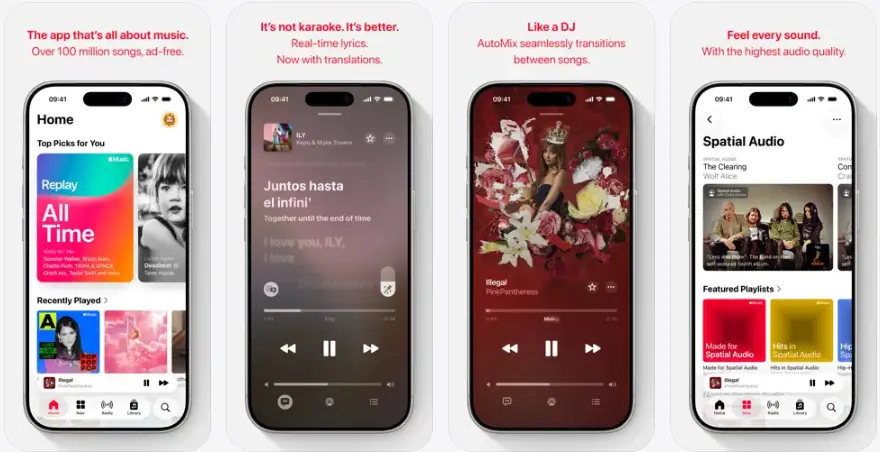
Apple Music is a premium music streaming service developed by Apple, offering access to millions of songs, curated playlists, radio stations, and exclusive releases. The platform is known for its strong ecosystem integration, high-quality audio support, and seamless experience across Apple devices. This makes it a strong competitor in the streaming market.
Best for: Users looking for a complete music ecosystem
Key features: Apple Music offers a large music catalog, lossless audio, Spatial Audio, curated playlists, and strong integration with Apple devices. It also provides personalized recommendations based on listening habits.
What makes it different from Spotify: Apple Music focuses more on premium sound quality and ecosystem integration. Unlike many apps like Spotify, it does not rely heavily on social discovery features. Its clean interface and strong audio experience make it a preferred choice for many listeners.
User suitability: It is ideal for Apple users, audiophiles, and people who want a polished streaming experience with high-quality playback.
2. YouTube Music
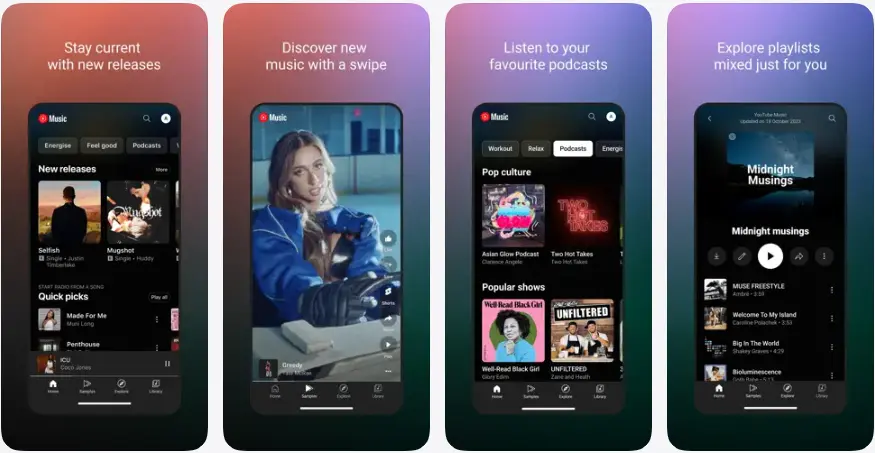
YouTube Music is Google’s dedicated music streaming platform that combines official songs with live performances, covers, remixes, and user-created content. It uses YouTube’s extensive content ecosystem to help users discover a wider range of music. This makes it different from traditional streaming services.
Best for: Music discovery and video-based listening
Key features: YouTube Music combines official songs, live performances, covers, remixes, and user-created content in one place. It offers smart recommendations, personalized mixes, offline downloads, and seamless switching between audio and video formats.
What makes it different from Spotify: The platform uses YouTube’s massive content library to provide music options that are often unavailable on traditional streaming services. It is among the most flexible music streaming apps like Spotify because it connects music with video content.
User suitability: It works well for users who enjoy discovering rare tracks, live versions, and diverse music content.
Available On: iOS and Android
3. Amazon Music
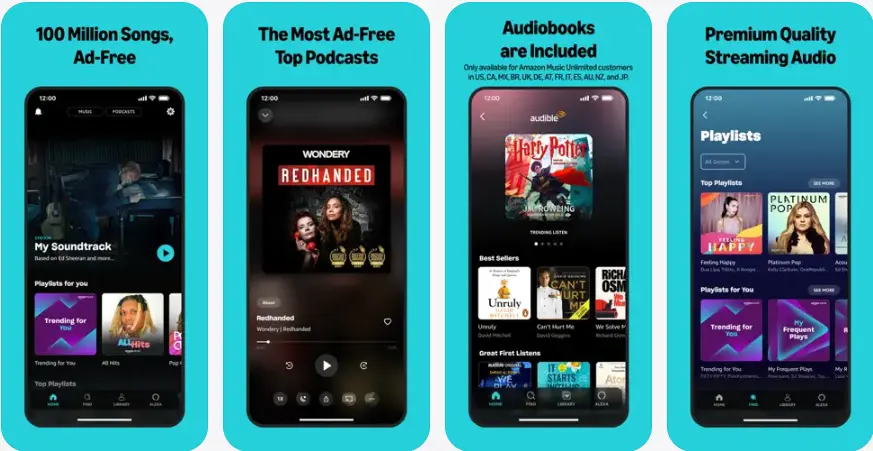
Amazon Music is a streaming platform from Amazon that provides access to songs, playlists, podcasts, and high-quality audio options. It connects closely with Amazon’s ecosystem, including Alexa-powered devices. This makes it a convenient choice for users who already use Amazon services.
Best for: Prime members and smart device users
Key features: Amazon Music provides access to millions of songs, playlists, podcasts, and high-quality audio options. It supports Alexa integration, making voice-based music control easier across smart devices.
What makes it different from Spotify: Amazon Music stands out through its connection with the Amazon ecosystem. Users with Prime memberships can access music benefits, while premium plans provide better sound quality. Businesses can explore how to develop an app like Amazon Music to understand its features and technology approach.
User suitability: It suits Prime members, Alexa users, and listeners who want convenience with their existing digital ecosystem.
Available On: iOS and Android
4. TIDAL
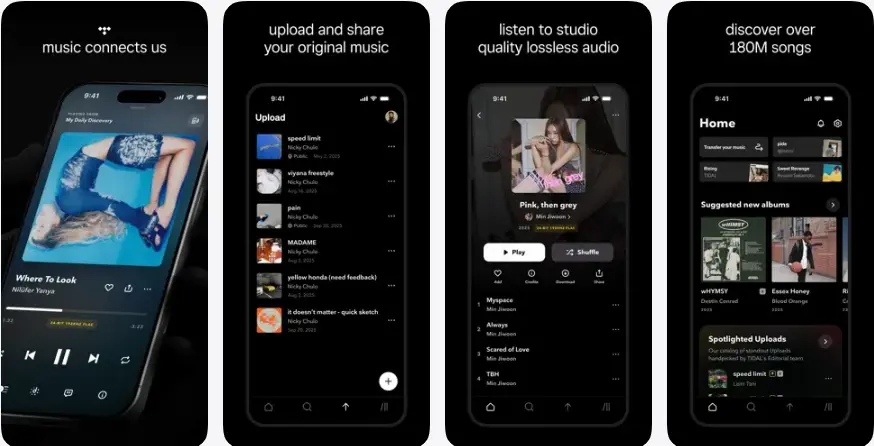
TIDAL is a music streaming service focused on premium sound quality and artist-focused experiences. It provides high-resolution audio, exclusive releases, and immersive formats for users who prioritize detailed sound. The platform mainly targets listeners who want a premium alternative to standard streaming services.
Best for: High-quality audio and music enthusiasts
Key features: TIDAL focuses on premium listening with lossless audio, high-resolution formats, Dolby Atmos support, and exclusive artist content. It also provides curated playlists and music videos.
What makes it different from Spotify: Audio quality is the biggest advantage of TIDAL. For users searching for apps like Spotify with high audio quality, TIDAL offers a stronger focus on detailed sound and immersive listening. It is also one of the leading Spotify alternatives with loseless audio experiences available today.
User suitability: It is best suited for audiophiles, music professionals, and listeners who prioritize sound quality over basic streaming features.
5. Deezer
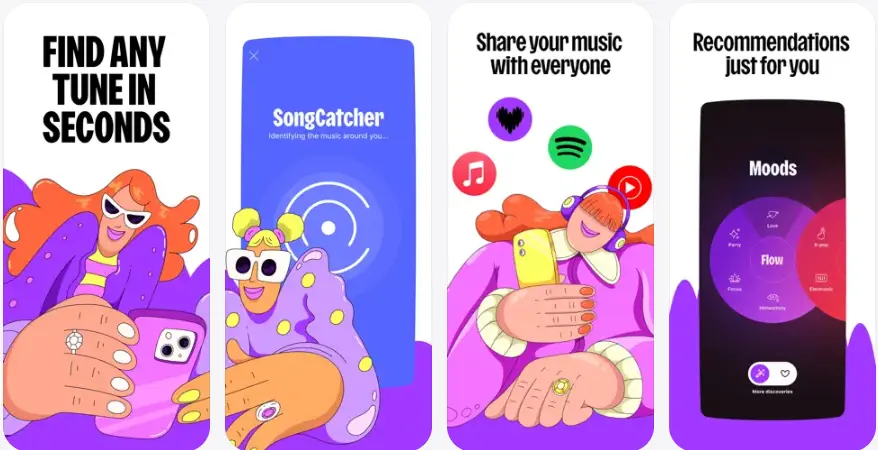
Deezer is a global music streaming platform known for its personalized recommendations, large music catalog, and user-friendly experience. It offers features like Flow, which creates continuous music suggestions based on preferences. The platform serves users looking for a balance between discovery, quality, and accessibility.
Best for: Personalized recommendations and global music discovery
Key features: Deezer offers a large music library, Flow recommendations, podcasts, lyrics, and high-quality audio options. Its recommendation system helps users discover new songs based on their listening patterns. These advanced personalization features are also important factors businesses consider when estimating the cost to create an app like Deezer.
What makes it different from Spotify: Deezer provides a simple listening experience with strong personalization features. Its Flow feature creates a continuous music stream based on user preferences. For people exploring apps similar to Spotify for listening to music, Deezer offers a balanced mix of discovery and usability.
User suitability: It is suitable for listeners who want personalized playlists, easy navigation, and a broad international music collection.
6. Qobuz
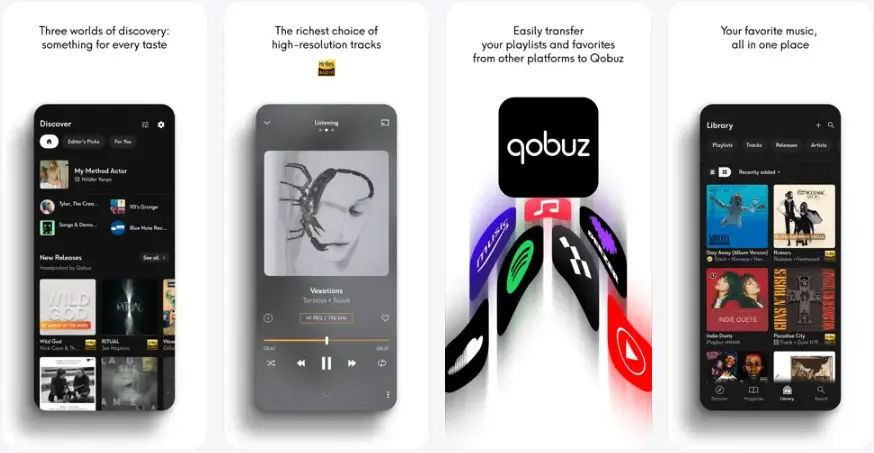
Qobuz is a high-resolution music streaming and download service focused on delivering studio-quality audio. It is designed for audiophiles who prefer detailed sound reproduction, editorial music content, and curated playlists. The platform emphasizes listening depth rather than algorithm-heavy recommendations or social engagement features.
Best for: Audiophiles who want premium sound quality
Key features: Qobuz focuses on high-resolution music streaming and digital downloads. It offers studio-quality audio, detailed album information, editorial content, and curated selections created for serious music listeners.
What makes it different from Spotify: Qobuz prioritizes sound depth and music quality instead of social features or algorithm-driven discovery. It is a strong choice among Spotify alternatives with loseless audio because it supports high-resolution formats designed for advanced listening setups.
User suitability: It is ideal for users with premium headphones, speakers, or anyone who wants a more detailed and authentic music experience.
7. SoundCloud
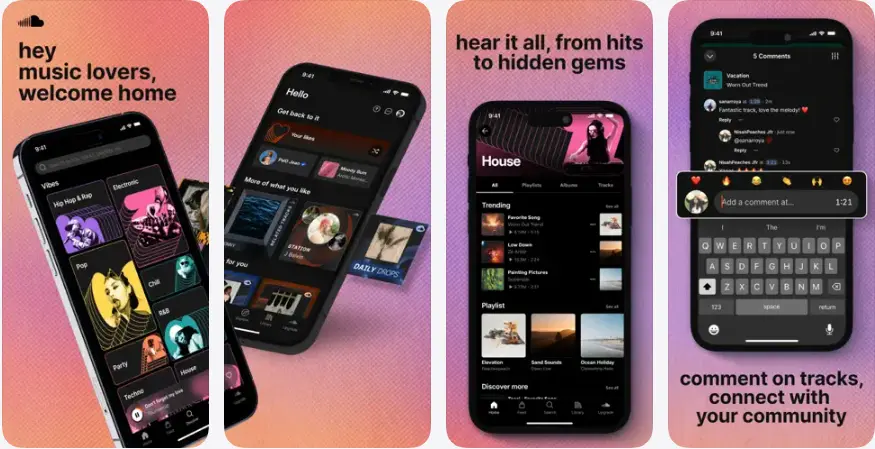
SoundCloud is a global music sharing platform that allows independent artists to upload and distribute music directly to listeners. It is widely known for early access to emerging artists, remixes, and experimental tracks. The platform focuses heavily on community-driven music discovery.
Best for: Discovering independent artists and fresh music
Key features: SoundCloud gives artists a platform to upload original tracks, remixes, demos, and experimental music. It includes playlists, reposts, comments, and direct interaction between creators and listeners.
What makes it different from Spotify: Unlike traditional streaming platforms, SoundCloud focuses heavily on emerging talent and community-driven discovery. It gives listeners access to tracks that may not appear on mainstream platforms. Also, it reflects evolving music streaming app trends centered on creator-first ecosystems.
User suitability: It is perfect for listeners who enjoy discovering new artists, underground genres, and independent releases.
8. Pandora
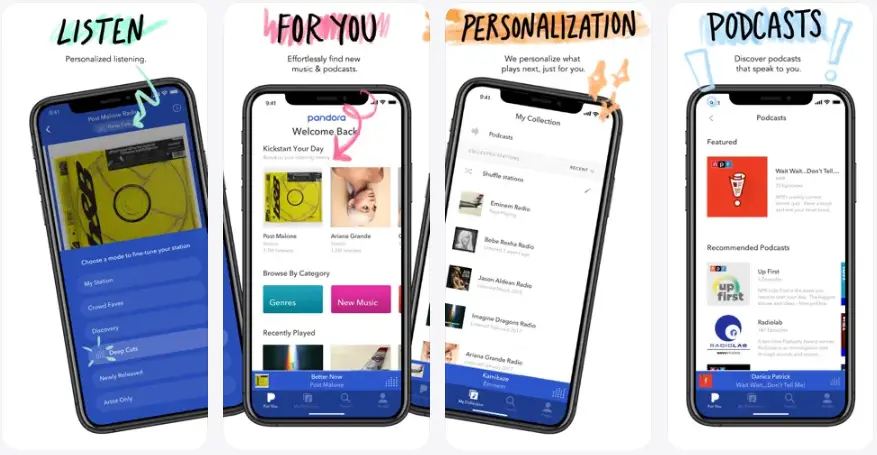
Pandora is a personalized radio-style music streaming service that focuses on automated discovery. It uses the Music Genome Project to create stations based on user preferences. This offers a passive and easy listening experience compared to traditional platforms.
Best for: Radio-style listening and effortless music discovery
Key features: Pandora uses personalized stations, music recommendations, podcasts, and curated playlists to create an easy listening experience. Its Music Genome Project helps understand user preferences through song characteristics.
What makes it different from Spotify: Pandora focuses more on station-based listening rather than actively choosing every track. This makes it different from many apps like Spotify where users mainly search and build playlists manually. Its AI-driven personalization approach also influences the cost to develop an app like Pandora, especially when building advanced recommendation features.
User suitability: It works well for casual listeners who prefer automated stations and personalized radio experiences.
9. Bandcamp
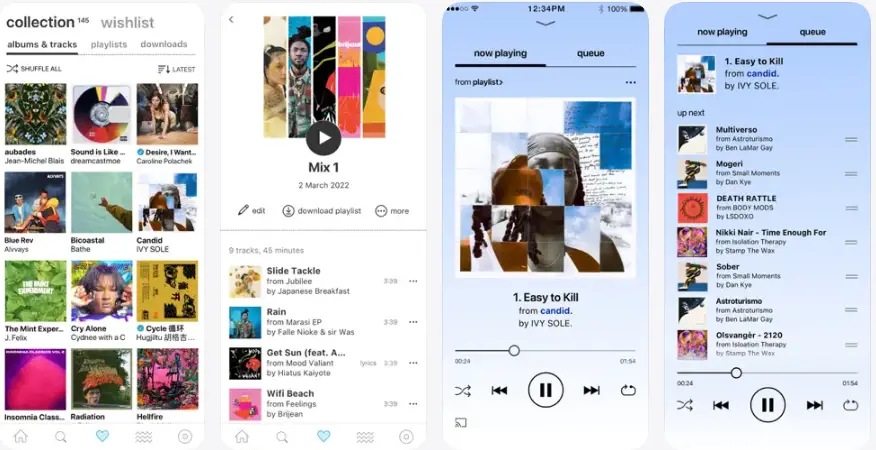
Bandcamp is a music platform that enables artists to sell music, albums, and merchandise directly to fans. It focuses on independent creators, giving them more control over pricing and distribution while allowing listeners to directly support artists they enjoy.
Best for: Supporting independent musicians directly
Key features: Bandcamp allows artists to sell music, albums, merchandise, and digital downloads directly to fans. It also provides discovery tools, artist pages, and exclusive releases from creators.
What makes it different from Spotify: Bandcamp is built around artist support rather than traditional streaming models. It gives fans a closer connection with musicians and helps creators earn directly from their work. Among apps like Spotify for music streaming, it stands apart by focusing on ownership and artist relationships.
User suitability: It is best for listeners who enjoy indie music and want to support artists beyond regular streaming.
10. Audiomack
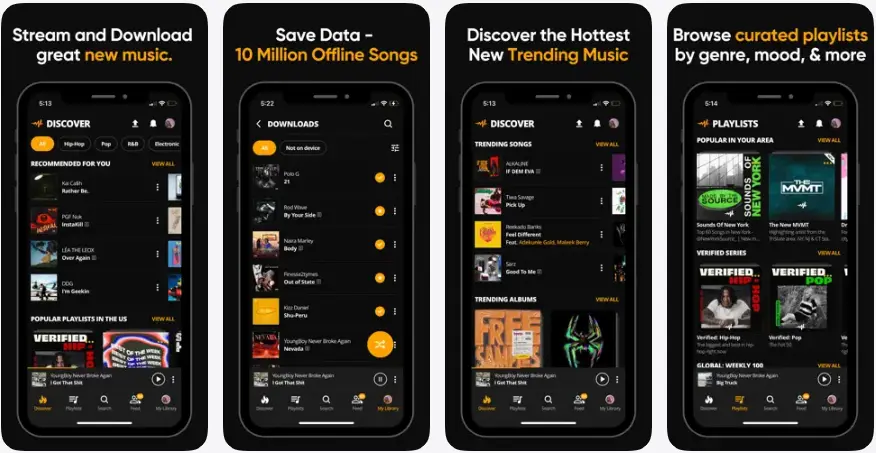
Audiomack is a music streaming platform focused on emerging artists and trending genres like hip-hop, Afrobeats, and rap. It provides free streaming, offline listening, and trending charts, making it popular among users who prefer discovering new and upcoming music.
Best for: Hip-hop, emerging artists, and free music access
Key features: Audiomack offers music streaming, offline listening, playlists, trending charts, and creator-focused tools. It has gained popularity for supporting new artists and fast-growing music scenes.
What makes it different from Spotify: Audiomack gives more visibility to independent creators and focuses strongly on genres like hip-hop, rap, and Afrobeats. It provides a simpler way to discover new releases without needing a premium subscription. For users comparing music streaming apps better than Spotify, Audiomack offers a different experience based on accessibility and emerging talent.
User suitability: It suits listeners who enjoy discovering fresh artists and following new music trends.
11. iHeartRadio
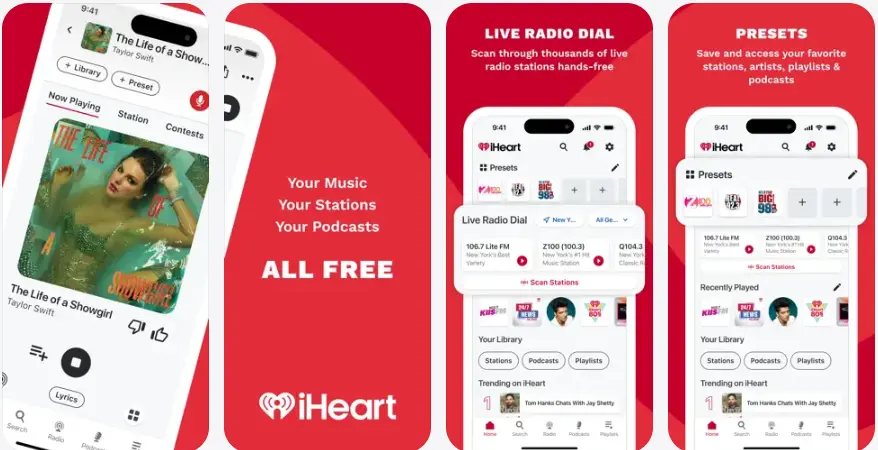
iHeartRadio is a digital audio platform that combines live radio stations, podcasts, playlists, and on-demand music streaming. It bridges traditional radio broadcasting with modern streaming technology, offering users a wide entertainment experience that includes music, talk shows, and curated stations in one place.
Best for: Live radio, podcasts, and music stations
Key features: iHeartRadio combines live radio stations, podcasts, playlists, artist stations, and personalized music channels. It gives users access to entertainment content beyond traditional song streaming.
What makes it different from Spotify: The platform blends radio broadcasting with digital streaming, making it a better fit for users who enjoy live shows and station-based content. While many music streaming apps like Spotify focus mainly on on-demand listening, iHeartRadio brings a broadcast-style experience with music and talk content together.
User suitability: It is suitable for listeners who enjoy radio programs, podcasts, and discovering music through curated stations.
12. Napster
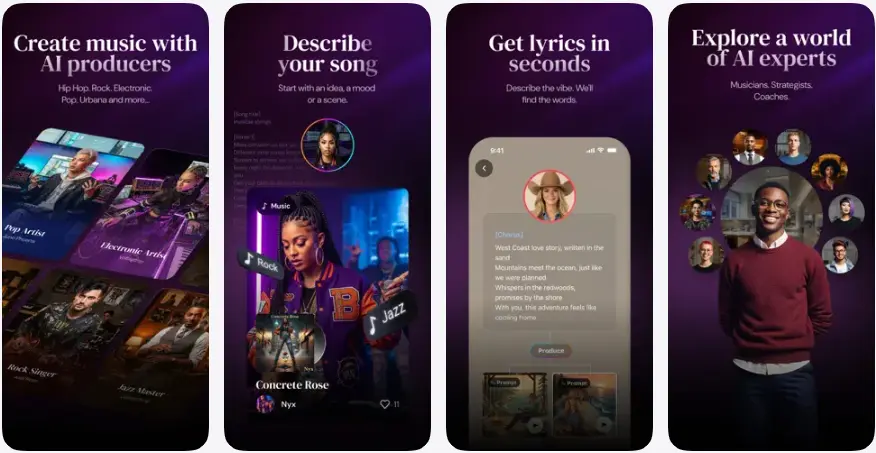
Napster is a music streaming service that evolved from its early file-sharing origins into a fully licensed platform. It offers a simple, clean listening experience with a large catalog of songs, playlist tools, and personalized recommendations designed for everyday music consumption.
Best for: Users looking for a classic music streaming experience
Key features: Napster offers a large music catalog, playlist creation, offline listening, and personalized recommendations. The platform has evolved from its early file-sharing days into a licensed music streaming service.
What makes it different from Spotify: Napster provides a straightforward listening experience without focusing heavily on social features or viral discovery. It appeals to users who want direct access to music without too many additional elements. It remains one of the established apps similar to Spotify for listening to music with a simple and familiar approach.
User suitability: It works well for users who prefer traditional streaming with easy navigation and a focused music library.
13. Mixcloud
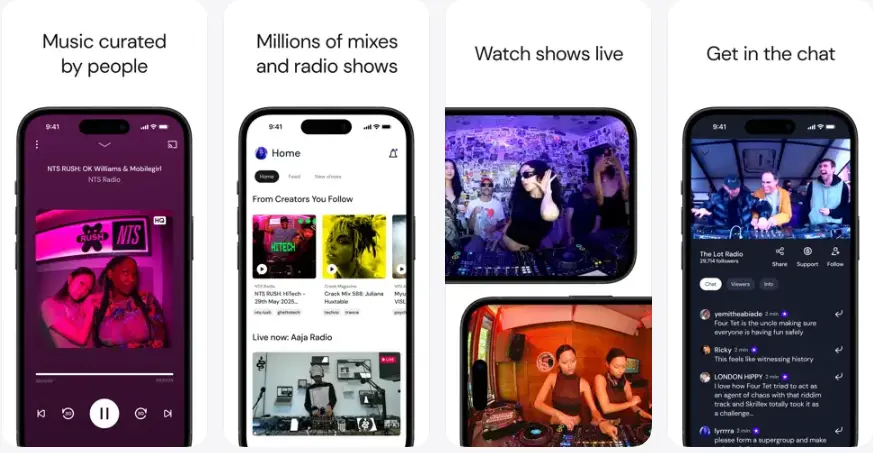
Mixcloud is a long-form audio streaming platform focused on DJ sets, radio shows, podcasts, and curated mixes. It is widely used by creators who produce continuous listening content rather than individual track-based streaming, making it unique in the digital audio space.
Best for: DJs, mixes, and long-form audio content
Key features: Mixcloud specializes in DJ sets, radio shows, podcasts, and curated mixes. It supports creators who share extended audio sessions rather than individual tracks.
What makes it different from Spotify: Mixcloud is designed around continuous listening experiences like club sets, talk shows, and specialist programs. Unlike standard music platforms, it focuses on curated sessions and creator-driven content, offering insights into how to develop an app like Mixcloud with long-form audio capabilities.
User suitability: It is ideal for electronic music fans, DJs, and users who enjoy longer audio experiences.
14. Anghami
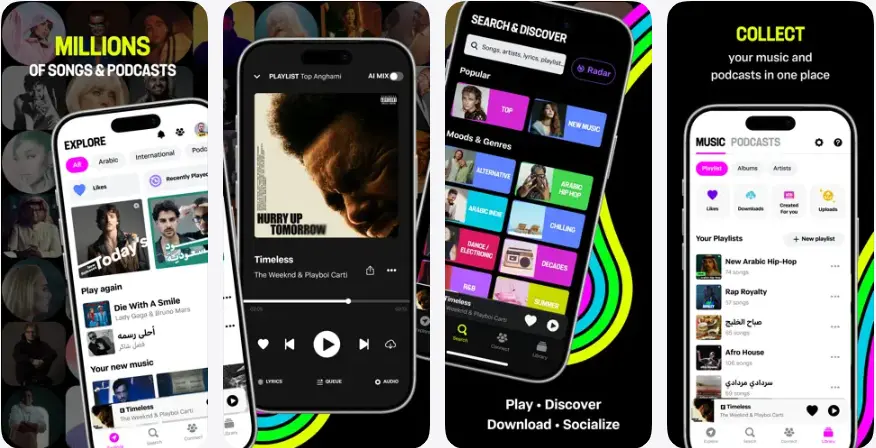
Anghami is a music streaming platform widely used across the Middle East and North Africa, offering both regional and international music. It provides curated playlists, offline listening, lyrics support, and personalized recommendations, making it a culturally strong streaming service with global reach.
Best for: Users who want regional and international music variety
Key features: Anghami offers a wide music catalog, personalized playlists, offline listening, lyrics, and exclusive content. It combines global hits with a strong collection of Arabic music, making it a popular platform in the Middle East and North Africa.
What makes it different from Spotify: Anghami focuses more on regional music experiences and local listener preferences. Unlike many music streaming apps like Spotify, it creates a stronger connection with specific music communities and cultural preferences. This approach offers insights into how to develop an app like Anghami with a focus on localized content experiences.
User suitability: It is a good option for listeners who enjoy Arabic music, international tracks, and a platform built around regional discovery.
15. Boomplay
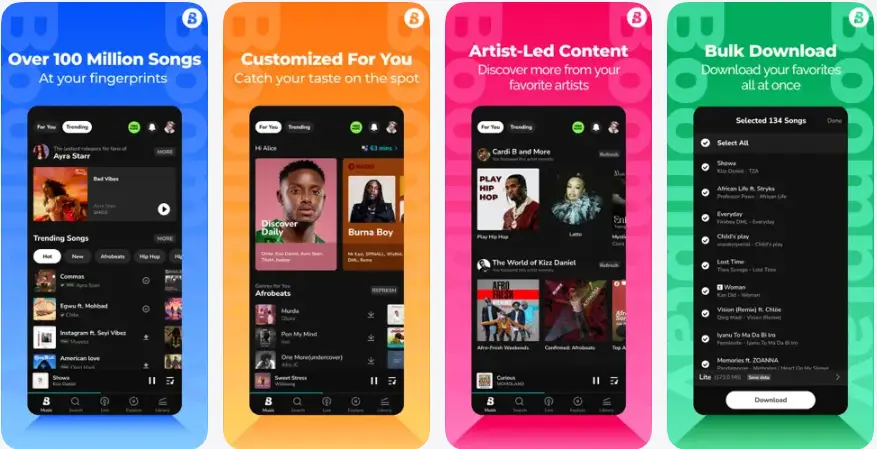
Boomplay is a music streaming platform focused on African music markets and emerging global artists. It provides streaming, downloads, playlists, and podcasts, with strong emphasis on regional discovery and fast-growing music scenes across Africa.
Best for: Discovering African and global music
Key features: Boomplay provides music streaming, playlists, podcasts, offline downloads, and music discovery features. It has a strong catalog of African artists while also offering international songs across multiple genres.
What makes it different from Spotify: Boomplay stands out through its focus on African music markets and emerging artists. It gives users access to regional sounds that may not always receive major exposure on mainstream platforms. For users exploring apps similar to Spotify for listening to music, Boomplay offers a more localized discovery experience.
User suitability: It suits listeners who want global music variety with a stronger focus on African artists and emerging genres.
After exploring these leading platforms, businesses planning a similar solution need to understand the technology, features, and development process involved in building a competitive platform. Learning how to build a music streaming app can help define the right strategy for creating a user-focused streaming experience.
How Music Streaming Apps Are Leveraging AI and Emerging Trends in 2026?
Music streaming is evolving with smarter technology and changing listener expectations. In 2026, platforms are moving beyond basic playlists and focusing on personalized, immersive, and connected experiences.
These improvements are helping platforms create stronger competition in the market and deliver more value to modern listeners.
1. AI-Powered Hyper-Personalization
AI app development services are helping businesses create smarter music platforms with advanced recommendation systems. AI now helps apps understand listening patterns, moods, and user behavior to suggest more relevant songs.
Instead of offering the same recommendations to everyone, future platforms will create dynamic experiences that adjust according to individual preferences and daily activities.
2. Generative AI Transforming Music Experiences
Generative AI is creating new possibilities for music platforms in 2026. Users may experience AI-created playlists, smarter discovery, and personalized journeys. The growth of AI in music apps is helping platforms improve engagement with innovative features.
Many Spotify alternatives are exploring advanced AI capabilities that support creators and transform modern streaming experiences.
3. Voice-Based Music Discovery
Finding music through voice commands is becoming more natural with improved AI assistants. Users can request songs, playlists, or recommendations without manually searching.
This shift is changing how people interact with music platforms. Conversational discovery will allow listeners to explore content faster and create a more effortless listening experience.
4. Immersive Audio and Adaptive Listening
Audio quality is becoming a major focus as listeners demand richer sound experiences. Technologies like spatial audio and adaptive sound are shaping the future of music streaming.
With cross-platform app development, businesses can deliver consistent listening experiences across multiple devices. Also, they can ensure that users enjoy better performance wherever they access their music.
5. Connected Ecosystems and Smart Device Integration
Music platforms are expanding beyond smartphones into connected environments. Smart speakers, vehicles, and wearable devices are becoming important parts of daily listening habits.
To create these connected entertainment experiences, businesses are leveraging mobile app development services in UK, to build scalable solutions that integrate multiple technologies. These platforms help users enjoy smoother digital experiences across different devices and connected ecosystems.
How to Select a Music App for Your Needs?
Choosing the right music app depends on your listening habits, preferred features, and budget. With many platforms available, users should compare options based on what matters most to them instead of selecting only popular names.
For businesses planning a similar platform, understanding factors like features, technology choices, and scalability is important when estimating music streaming app development cost.
1. Compare Audio Quality and Music Selection
The best Spotify alternatives for online listening should be evaluated based on sound quality, music variety, and playback options. Some users prefer lossless audio, while others value larger libraries and better discovery tools. Checking these factors helps listeners choose a platform that matches their everyday music preferences.
2. Check Performance and App Experience
A smooth interface and reliable performance can strongly influence user satisfaction. Therefore, platforms need to hire mobile app developers to create responsive experiences that can easily handle modern streaming requirements. Besides, users should also consider navigation, speed, and overall usability before making a final decision.
3. Focus on Features and Personal Experience
Every listener has different expectations from a music platform. Top music app features like personalized recommendations, offline downloads, playlists, and device support can strongly influence the final choice. Users searching for which app is better than Spotify in 2026 should compare these features instead of focusing only on brand popularity.
4. Consider Pricing and Long-Term Value
Subscription costs, free options, and device compatibility are important factors when selecting a music app. Businesses building similar platforms often choose to hire dedicated developers to create scalable solutions. The right platform should offer value, convenience, and features that remain useful over time.
Why JPLoft is the Right Partner for Building a Music Streaming App?
Building a successful music streaming platform requires more than just a large music library. It needs smooth performance, engaging features, and technology that matches changing user expectations. JPLoft helps businesses create scalable digital solutions with the right strategy and development approach.
As a trusted music streaming app development company, JPLoft focuses on creating user-friendly platforms with features like personalization, seamless streaming, and modern integrations. The team understands the growing competition among music platforms and builds solutions that support long-term growth.
From planning and design to development and optimization, JPLoft helps transform ideas into reliable music streaming experiences. Businesses can create platforms that deliver better engagement and meet the evolving needs of today’s listeners.
Conclusion
The music streaming industry is becoming more competitive with changing user expectations and advanced technology. Listeners now look for better personalization, audio quality, and unique features beyond traditional platforms. Exploring the best Spotify alternatives helps users find services that match their specific listening preferences and needs.
From AI-powered recommendations to immersive audio experiences, modern music apps are creating new ways to enjoy songs. Each platform offers different advantages, making the right choice depend on personal requirements.
As streaming technology continues to evolve, users will have even more options to discover, connect, and enjoy music in smarter ways. The future of music streaming will focus on delivering more personalized and engaging experiences.
FAQs
Users explore other music platforms because they want better audio quality, different pricing options, unique features, or more personalized experiences. Some listeners also prefer apps with stronger music discovery, regional content, or advanced listening controls.
Modern music apps stand out through AI recommendations, immersive audio, voice controls, and seamless device integration. Users now expect platforms to understand their preferences and provide smoother experiences across smartphones, smart devices, and connected ecosystems.
Yes, several platforms focus on premium sound experiences with lossless audio and high-resolution formats. Apps like TIDAL and Qobuz attract users who prioritize detailed sound quality, advanced audio technology, and a more immersive listening experience.
AI is improving music discovery by creating smarter recommendations, personalized playlists, and voice-based interactions. Future platforms will use AI to understand user behavior, suggest relevant content, and deliver more customized experiences based on individual preferences.
Businesses should focus on user experience, personalization, scalability, and modern features like AI recommendations and cross-device support. Choosing the right technology partner helps create a reliable platform that meets changing user expectations in the competitive streaming market.

Rahul Sukhwal is the CEO and Founder of JPLoft, with 18+ years of experience in software engineering, emerging technologies, and digital product development. His expertise spans artificial intelligence, including AI agents, generative AI, LLMs, chatbots, computer vision, and machine learning, as well as blockchain, IoT, AR/VR, mobile, web, and enterprise software. He focuses on applying these technologies to real business challenges across industries such as healthcare, education, mobility, finance, real estate, and on-demand services.


Share this blog