


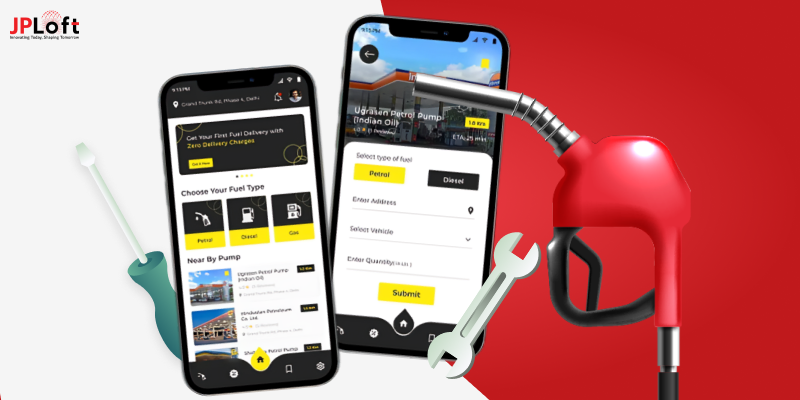
Launching an app isn’t enough; you have to maintain it as well. And that’s the case for fuel delivery apps too.
Similar to any other online solution, fuel delivery apps also develop bugs, compatibility issues, and security challenges.
But they should not hold you back from being successful in the market. In case you are facing issues, you can update or maintain your fuel delivery app.
In this changing environment, where competition is at an all-time high. It’s all about how you can bring something new to the users without compromising its quality.
And that’s where smart investors like you Google, “Why and How to maintain a fuel delivery app?”
In this blog, we are going to explore fuel delivery app maintenance; let’s take a pause and switch to the world of after launch.
Overview of Fuel Delivery App Maintenance
In the past few years, the global fuel delivery market has grown a lot.
And the market stats show it as well. Reason? More and more people want easy access to fuel and gas for their vehicle.
Here are some fuel delivery market statistics that highlight the current market landscape:
-
The global mobile fuel delivery market is expected to reach $10.1 billion by 2033, growing at a 7.3% CAGR through the forecast period.
-
North America is projected to hold approx. 42% of the global market share in 2026.
-
Diesel is expected to dominate 62% revenue share in 2026, while gasoline is the fastest-growing segment.
-
With a 60% market share, app-based fuel delivery remains the preferred choice for consumers.
These market stats represent the growing potential of fuel delivery apps and highlight the importance of spending your money on mobile app maintenance services to keep your app updated and meet growing market demands.
Let’s understand the different aspects of maintenance, its types, benefits, and strategies required to make your app a hit in the market.
Fuel Delivery App Maintenance Types
There are several types of fuel delivery app maintenance available in the market. To choose the right one, you need to understand the issue your app is facing and ways through which you can overcome.
Here are some common types you should explore:
1. Corrective Maintenance
Corrective maintenance works on solving bugs, problems, and other issues that affect app speed.
This type focuses on identifying errors and fixing unexpected issues for fuel delivery apps.
Regular corrective maintenance helps improve fuel delivery app performance and ensures a smooth user experience.
2. Preventive Maintenance
Preventive maintenance is yet another famous type to spot possible issues while creating a fuel delivery app before they become big problems.
It includes code streamlining, speed checks, and database cleanups.
By performing preventive maintenance regularly, you can improve your app’s safety and reduce downtime.
3. Adaptive Maintenance
Adaptive maintenance makes sure that your app stays compatible with changing technologies, gadget changes, and changing industry trends.
It may involve changing APIs, adapting to new operating system versions, or adding fuel delivery app features for better usefulness.
This type of maintenance helps you keep your app’s security and fuel delivery app updated and ensures your app fits with new market trends.
4. Perfective
Based on user feedback, you can include current features or add new ones
Enhancing the user interface, improving navigation, or having better payment choices can improve the overall user experience.
Regular perfective maintenance helps you meet user expectations successfully.
5. Emergency Maintenance
Emergency maintenance is performed when unexpected issues appear, such as server crashes, payment failures, or security breaches.
Quick action is important to limit downtime and restore app performance. Investing in such maintenance can ensure your app stays safe and competitive in the growing market.
By taking an organized approach to maintenance, you can effectively maintain your fuel delivery app while keeping users happy.
Why Maintain a Fuel Delivery App?
Maintaining your fuel delivery app is crucial for ensuring its long-term success.
Without proper maintenance, your app may face speed problems, security risks, and user dissatisfaction.
Here’s why spending on maintenance services for a fuel delivery app is essential:
A. Offer Smooth Performance
Regular maintenance helps to spot and fix speed issues such as slow loading times, app crashes, or bugs.
By improving the app’s speed and usefulness, you can greatly improve fuel delivery app performance and provide users with a seamless experience.
B. Enhances Security
Cyber threats are constantly changing, making security changes important for your app’s safety.
Regular app security updates help to fix flaws, secure user data, and protect your platform from possible breaches.
This is important, especially for apps that handle payment information and customer data.
C. Improves User Experience
Users expect fast, efficient, and user-friendly apps.
Regular changes ensure that your fuel delivery app’s design, navigation, and features are always optimized.
Once you make your app live, you will receive user feedback, some positive, some negative. With the help of maintenance, you can address user feedback and keep your app up to customer standards, increasing retention rates.
D. Reduces Downtime and Technical Issues
You don’t want that user to complain about unexpected breaks or glitches; to overcome this, regular maintenance is the need of the hour.
With that, you can focus on tracking your app’s performance and solving issues that may turn your users to your competitors.
This approach reduces downtime and helps users to have a great time on your app.
E. Ensures Compatibility with New Technologies
In the era of tools and technologies, operating systems, devices, and software tools. Your app should stay updated to keep up with compatibility.
Adaptive maintenance ensures your work easily on the latest iOS, Android, or device changes, keeping it competitive in the market.
F. Cost-Effective Solutions
Ignoring maintenance can result in expensive fixes or app redevelopment. Investing in maintenance is a smarter and more budget-friendly method.
When planning your app, you should include app maintenance as part of the overall fuel delivery app development cost to avoid any surprises.
G. Boosts Customer Trust
Apps that frequently crash or fail to offer promised services lose customer trust.
This is why ideal app maintenance is important for your success. With regular updates, you can provide better security, improved user experience, and more customer loyalty.
Now, with the benefits being clear, we are going to discuss the maintenance process of a fuel delivery app.
How to Maintain a Fuel Delivery App?
Maintaining your fuel delivery app is important to keep it safe, efficient, and user-friendly. A well-maintained app not only draws more users but also ensures smooth performance and long-term success.
Below is a full step-by-step guide to help you effectively handle your fuel delivery app maintenance services.
Step 1: Conduct Regular App Performance Audits
Once the fuel delivery app development process is complete, you should conduct frequent performance audits. This process finds bugs, technical glitches, or slow loading times that may annoy users.
-
Check Loading Speed: Identify delays in app speed and fix them quickly.
-
Monitor Server Performance: Ensure servers handle peak traffic efficiently.
-
Track Error Logs: Monitor error reports to discover and fix repeated problems.
Conducting these checks will help you identify areas that need improvement and allow you to improve fuel delivery app performance effectively.
Step 2: Implement Regular Security Updates
Security is important for apps handling private user data like payment details, addresses, and contact information. Regular fuel delivery app security changes protect your app from possible cyber risks and keep user information safe.
-
Update Software Libraries and Plugins: Outdated libraries can become security risks.
-
Add Encryption Protocols: Secure private info with end-to-end encryption.
-
Enable Multi-Factor Authentication (MFA): Strengthen app security by adding extra layers of safety.
By regularly updating security measures, you can enhance fuel delivery app security and keep customer trust.
Step 3: Fix Bugs and Technical Issues
No app is totally bug-free, but regular monitoring ensures that issues are discovered and resolved quickly. Bugs in your fuel delivery app support services can affect travel, booking processes, or payment activities.
-
Collect User Feedback: Identify frequent issues and fix related bugs.
-
Test After Each Update: Ensure updates don’t cause new problems.
-
Run Automated Tests: Automated testing helps spot errors effectively.
Consistently addressing bugs will help you keep your fuel delivery app and improve its general reliability.
Step 4: Schedule Regular App Updates
Frequent changes make your app relevant and competitive. Updates may include adding new features, improving the design, or boosting speed.
-
Introduce New Features: Include tools like improved GPS tracking or multiple payment methods.
-
Optimize User Interface (UI): Make travel easier with better design features.
-
Ensure Compatibility: Ensure your app works with the latest iOS and Android changes.
By planning consistent updates, you ensure your app fits with changing customer wants while boosting performance.
Step 5: Optimize App Speed and Performance
Slow apps often lead to customer frustration and lower interaction. Optimizing your app’s speed is important for user engagement.
-
Reduce App Size: Compress pictures, movies, and files to improve loading speed.
-
Optimize Code Structure: Clean, well-organized code reduces lag.
-
Monitor Database Efficiency: Regularly clear useless data and files.
Following these best practices for oil and gas delivery app maintenance ensures users enjoy a smooth experience.
Step 6: Update Content and Design
Refreshing your app’s content and style keeps it engaging and useful for users. Outdated images or irrelevant material may drive users away.
-
Update Banner Images and Promotions: Showcase current deals or savings.
-
Improve Navigation and Layout: Make browsing easy with better menu frameworks.
-
Add New Content Regularly: Include new blogs, tips, or FAQs.
Regular content changes add to fuel delivery app speed optimization and enhance customer involvement.
Step 7: Monitor User Feedback and Reviews
User feedback offers useful insights into your app’s strengths and flaws. Addressing user issues helps improve app quality and build trust.
-
Respond Promptly to Feedback: Show users that their worries are important. Analyze Common Issues: Identify trends in negative feedback and address them quickly.
-
Implement Suggested Features: Adding user-recommended features boosts interaction.
User-driven changes ensure your app meets user wants and aligns with the techniques to maintain a fuel delivery app standard.
Step 8: Focus on Data Backup and Recovery
Losing valuable customer info can badly impact your business. Regular data backups are crucial for app security and stability.
-
Schedule Automatic Backups: Ensure data is backed up daily or weekly.
-
Use Cloud Storage Solutions: Cloud-based backups provide safe and scalable data protection.
-
Create a Recovery Plan: Have a clear plan to recover data in case of unexpected breakdowns.
A good data backup strategy is key to keeping your fuel delivery app effective.
Step 9: Monitor Third-Party Integrations
Most fuel delivery apps rely on third-party services for features like payment platforms, GPS tracking, and push alerts. Ensuring these integrations work properly is important.
-
Test API Connections Regularly: Ensure combined services work without issues.
-
Update Third-Party Tools: Outdated connections may affect app function.
-
Choose Reliable Providers: Trusted services lower technology risks.
Monitoring third-party services ensures smooth operation, reducing downtime and improving customer happiness.
Step 10: Manage Maintenance Costs Effectively
Effective spending management is key to long-term maintenance success. Understanding the fuel delivery app maintenance cost helps you assign resources smartly.
-
Prioritize Critical Updates: Focus on security, speed, and critical bug fixes.
-
Plan for Future Upgrades: Allocate funds for future features or design changes.
-
Work with Maintenance Experts: Professional teams can provide cost-effective options.
Following an organized plan will help you keep your mobile app development cost within limits while ensuring top-notch performance. Once you are well informed about the process, take a look at the key maintenance strategies that will shape the growth of your app.
Key Maintenance Strategies for Your Fuel Delivery App
There are several maintenance strategies for your fuel delivery app.
But to avoid any confusion, we are here to share with you strategies for ensuring smooth operations, better security, and long-term success.
In this section, we are going to explore different strategies to keep your app competitive in the growing market.
1. Conduct Regular Performance Testing
You have to monitor app performance frequently to catch slow load times, crashes, or unresponsive features.
You should use tools such as Apache JMeter, LoadRunner, or TestComplete. You have to test the app under poor connectivity and heavy traffic, tracking response time and server speed to reduce downtime.
2. Implement Timely Security Updates
Your app handles payment and personal data, so outdated security invites cyber threats. Regularly update encryption protocols, add multi-factor authentication, and stay compliant with GDPR and PCI DSS to prevent breaches and maintain user trust.
3. Monitor API and Third-Party Integrations
GPS tracking, payment gateways, and notifications rely on third-party services. If these fail or become outdated, functionality breaks.
Top fuel delivery apps regularly test API connections, apply updates promptly, and choose reliable providers to minimize service interruptions.
4. Manage Data Efficiently
As your user base grows, unmanaged data slows the app.
To launch a fuel delivery business successfully, optimize your database by removing unnecessary records and archiving old data.
Compress large files to improve load times, and use scalable cloud storage for secure, accessible data.
5. Plan for Regular App Updates
Outdated apps are more vulnerable to performance issues and security risks.
Release updates at regular intervals to align with evolving fuel delivery app trends, introduce new features, fix bugs, and deliver a better user experience.
Prioritize speed and security improvements, and always test updates before launch to avoid new issues.
6. Focus on User Experience (UX) Enhancements
A confusing interface drives users away. You need to gather feedback to identify pain points, simplify menus, and add intuitive icons.
Keep your design modern, engaging, and responsive so users stay satisfied and continue using your app.
7. Develop a Maintenance Checklist
The best way to maintain your fuel delivery app is to make a checklist.
What users want, what you want, bug detection, security improvement, and integration testing.
Following it consistently simplifies the process and ensures no critical task gets overlooked.
8. Monitor Analytics and User Behavior
Analytics reveal how users interact with your app. You need to use Google Analytics, Firebase, or Mixpanel to track drop-off points, errors, and abandoned transactions.
These insights help you improve functionality and boost overall user satisfaction.
9. Maintain Strong Customer Support
Responsive support handles concerns, technical issues, and refunds while showing users their feedback matters. Offer multiple channels like chat, email, and phone. Train your team to resolve issues quickly, and keep your FAQ section updated.
10. Control Maintenance Costs Effectively
Smart planning keeps maintenance within budget. Focus on preventive maintenance to avoid costly repairs, prioritize updates that add real value, and choose a development company offering affordable packages for the best long-term value.
Why Choose JPLoft for Fuel Delivery App Maintenance?
A fuel delivery app that isn’t maintained gradually loses users, revenue, and trust.
JPLoft, a fuel delivery app development company, can help you keep your app secure, high-performing, and ready to meet changing customer needs.
Our expert team offers complete services to maintain your app, secure it, and make it efficient as well as user-friendly.
From regular speed optimization and security updates, as well as seamless bug fixes and new feature integration.
We follow industry best practices to improve fuel delivery app performance while providing cost-effective solutions suited to your business needs.
Partner with us for app creation and maintenance to ensure your fuel delivery app runs easily and provides an effortless interface to your users.
Let us help you keep a reliable and secure app that drives growth and customer satisfaction.
Conclusion
Understand this: regular fuel delivery app maintenance is important to ensure smooth performance, security, and user happiness.
A well-maintained app not only avoids technical problems but also improves efficiency, security, and customer trust.
By following an organized fuel delivery app maintenance checklist, companies can improve performance, fix bugs, and stay ahead in a competitive market.
Investing in fuel delivery app support services helps keep operations seamless, improve user experience, and meet security laws.
Partnering with a professional team can make the process hassle-free and result-driven, keeping your app in top condition.
FAQs
Fuel delivery app maintenance is essential to ensure smooth performance, security, and user satisfaction. Regular updates help fix bugs, enhance security, and improve overall functionality.
Regular updates should be performed every few months to enhance security, fix bugs, and optimize performance. Critical security patches should be applied immediately when needed.
Fuel delivery app maintenance services typically include bug fixes, security updates, performance optimization, third-party API updates, UI/UX improvements, and server maintenance.
The cost of fuel delivery app maintenance depends on factors like app complexity, update frequency, third-party integrations, and security enhancements. It can range from a few hundred to several thousand dollars annually.
Best practices include regular software updates, security patches, performance monitoring, user feedback integration, and compliance with industry regulations.

Savannah Bustos is a technology professional with experience across financial platforms, mobility solutions, and on-demand digital products. Her areas of expertise include FinTech, digital banking, eWallets, lending, BNPL, stock trading, fuel delivery, and taxi-booking platforms. She combines a strong understanding of business requirements with practical technology insight, helping companies evaluate challenges, define product needs, and make informed decisions about scalable digital solutions.


Share this blog