



Key Takeaways
Key tutor app development cost factors include app complexity, platform, design, technology stack, team expertise, backend, and security.
Hidden expenses of development involve server hosting, app store commissions, bug fixing, scalability upgrades, and data security.
Reducing the cost to develop a tutor app involves an MVP approach, a cross-platform, simple design, and using pre-built integrations.
Monetization strategies include subscriptions, commissions, freemium, ads, and corporate training, helping generate consistent revenue.
JPLoft builds cost-effective tutor apps through strategic planning, scalable solutions, and end-to-end development support.
Knowing how much does it cost to create a tutor app is essential for businesses planning to enter the growing edtech market. With more learners choosing digital platforms for flexible education, investing in a tutor app can unlock strong growth opportunities.
The total cost depends on several factors, such as features, platform, design, and development team. On average, the cost to build a tutor app ranges between USD 10,000 and USD 80,000+, depending on the complexity and scalability needs.
A basic app with core features like user registration and video sessions costs less. On the other hand, advanced app solutions with AI-based recommendations and real-time analytics require higher investment.
For startups and enterprises alike, having a clear cost estimate helps in better planning, resource allocation, and long-term success. This guide to tutor app development cost will break down everything you need to know before starting your tutor app development journey.

Key Factors that Affect Tutor App Development Cost
Recognizing the key factors influencing what is the cost to develop a tutor app helps you plan the development budget more effectively.
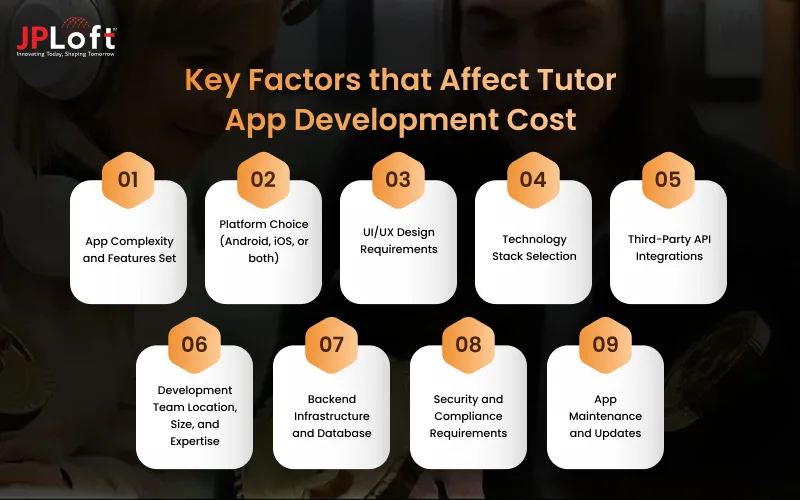
Each of these elements plays a crucial role in determining the overall investment required to build a tutor app that is scalable and high-performing.
1. App Complexity and Features Set
The tutor app development cost depends heavily on feature depth. Basic apps include login, tutor search, and scheduling.
Advanced tutor apps offer live classes, whiteboards, AI recommendations, and progress tracking. More app features increase development time, testing effort, and integration complexity, directly raising the overall cost and required resources.
|
Complexity Level |
Features Included |
Estimated Cost (in USD) |
|
Basic |
Login, tutor search, booking, simple video |
$10,000 – $20,000 |
|
Medium |
Live classes, chat, payments, ratings |
$20,000 – $50,000 |
|
Advanced |
AI recommendations, analytics, whiteboard |
$50,000 – $80,000+ |
2. Platform Choice (Android, iOS, or both)
Choosing between Android, iOS, or both platforms impacts cost significantly. Building separate native apps increases expenses, while cross-platform development reduces effort.
Tutor apps targeting wider audiences often need both platforms, which requires more testing and optimization, adding to the total development time and budget.
|
Platform Type |
Description |
Estimated Cost (in USD) |
|
Single Platform |
Android or iOS only |
$10,000 – $25,000 |
|
Cross-Platform |
One codebase for both platforms |
$20,000 – $40,000 |
|
Native Both |
Separate apps for Android and iOS |
$40,000 – $80,000+ |
3. UI/UX Design Requirements
A tutor app needs a simple and engaging interface for students and tutors. Clean navigation, easy booking, and smooth video interaction are essential.
Custom animations, interactive dashboards, and personalized layouts increase design complexity. Higher app design effort leads to increased costs but improves user retention and overall app usability.
|
Design Level |
Description |
Estimated Cost (in USD) |
|
Basic |
Simple layout, standard UI components |
$3,000 – $7,000 |
|
Moderate |
Custom screens, improved user flow |
$7,000 – $15,000 |
|
Advanced |
Interactive dashboards, animations |
$15,000 – $25,000+ |
4. Technology Stack Selection
The choice of programming languages, frameworks, and tools shapes development efficiency and scalability. Modern app tech stacks help build faster and support advanced app features like real-time sessions and analytics.
However, selecting premium or complex technologies can increase tutor app development cost breakdown, while outdated stacks may lead to higher maintenance expenses later.
|
Stack Type |
Description |
Estimated Cost (in USD) |
|
Basic Stack |
Standard frameworks, limited scalability |
$5,000 – $10,000 |
|
Modern Stack |
Scalable and performance-focused tools |
$10,000 – $25,000 |
|
Advanced Stack |
AI, real-time processing, analytics |
$25,000 – $40,000+ |
5. Third-Party API Integrations
Tutor apps rely on APIs for video calls, payments, chat, and notifications. Integrating services like live streaming or payment gateways saves development time but adds recurring costs.
Higher user activity increases API usage charges, making this a key factor that affects both initial investment and long-term operational expenses.
|
Integration Level |
Description |
Estimated Cost (in USD) |
|
Basic |
Payment gateway, basic chat |
$2,000 – $5,000 |
|
Moderate |
Video APIs, notifications, chat |
$5,000 – $15,000 |
|
Advanced |
Live streaming, AI APIs, analytics |
$15,000 – $30,000+ |
6. Development Team Location, Size, and Expertise
Hiring dedicated developers with relevant skills that impact both quality and cost. Teams in regions with lower hourly rates can reduce expenses.
However, experienced developers are essential for building scalable tutor apps with real-time features. Larger teams speed up delivery but increase costs, while smaller teams may extend timelines.
|
Team Type |
Description |
Estimated Cost (in USD) |
|
Small Team |
2–4 developers, longer timeline |
$10,000 – $25,000 |
|
Mid-Sized Team |
5–8 developers, balanced delivery |
$25,000 – $50,000 |
|
Large Expert Team |
8+ experts, faster delivery |
$50,000 – $80,000+ |
7. Backend Infrastructure and Database
A strong backend is required to manage user data, sessions, and content. Tutor apps need reliable servers to handle live classes and user traffic.
Cloud infrastructure, database design, and scalability planning increase what is the cost to develop a tutor app. Poor backend planning can lead to performance issues and higher expenses in future upgrades.
|
Infrastructure Level |
Description |
Estimated Cost (in USD) |
|
Basic |
Limited users, simple database |
$5,000 – $10,000 |
|
Scalable |
Cloud-based, handles growth |
$10,000 – $25,000 |
|
High-End |
Real-time processing, large data load |
$25,000 – $40,000+ |
8. Security and Compliance Requirements
Tutor apps handle sensitive data such as user details and payment information. Implementing data encryption, secure authentication, and regulatory compliance increases development effort.
Strong app security measures are essential for building trust, but they add to overall costs due to additional tools, testing, and monitoring requirements.
|
Security Level |
Description |
Estimated Cost (in USD) |
|
Basic |
Standard encryption, login security |
$3,000 – $7,000 |
|
Moderate |
Secure payments, data protection |
$7,000 – $15,000 |
|
Advanced |
Compliance, advanced encryption, and audits |
$15,000 – $30,000+ |
9. App Maintenance and Updates
Post-launch app maintenance service is a continuous cost factor. Tutor apps require regular updates, bug fixes, and feature enhancements. As user expectations grow, new features must be added.
Ongoing server expenses and performance monitoring also contribute, making maintenance a crucial part of the cost to build a tutor app.
|
Maintenance Level |
Description |
Estimated Annual Cost (in USD) |
|
Basic |
Bug fixes, minor updates |
$2,000 – $5,000 |
|
Moderate |
Regular updates, performance tuning |
$5,000 – $15,000 |
|
Advanced |
Continuous upgrades, feature additions |
$15,000 – $30,000+ |
Hidden Factors Affecting Tutor App Development Cost
The hidden cost to make a tutor app can quietly increase your budget if not planned early. Beyond development, factors like hosting, app store fees, and security add ongoing expenses.
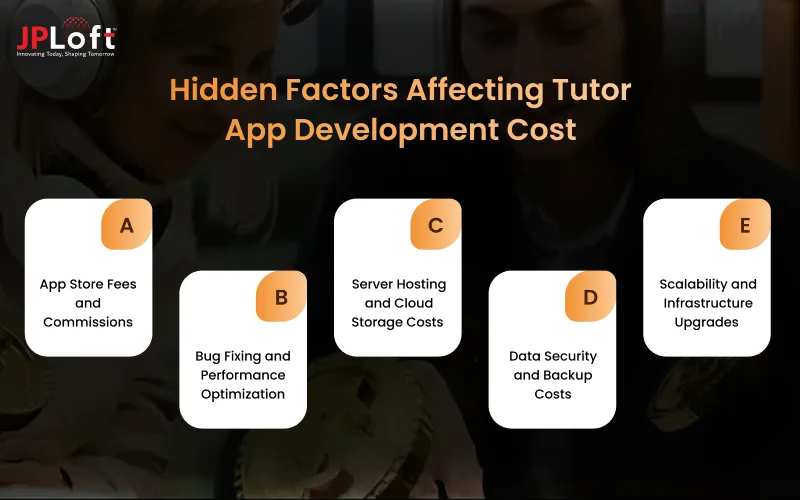
Knowledge of these elements helps you avoid surprises and manage cost to develop a tutor app more effectively.
[A] App Store Fees and Commissions
Publishing a tutor app on the Google Play Store and Apple App Store involves initial registration fees and ongoing commissions. These platforms also charge a percentage on in-app purchases and subscriptions, which directly impacts revenue, making it an important hidden cost.
[B] Bug Fixing and Performance Optimization
After launch, tutor apps require continuous monitoring to fix bugs and improve performance. Live classes, chat features, and video streaming can create technical issues.
Resolving these problems needs developer time and testing efforts, adding hidden tutor app development cost that are often overlooked during initial planning.
[C] Server Hosting and Cloud Storage Costs
Tutor apps rely on cloud servers to handle live classes, user data, and video recordings. As student activity grows, storage and bandwidth usage increase.
Frequent video sessions and recorded lessons require scalable hosting solutions, leading to ongoing tutor app development cost that rise with user traffic and platform expansion.
[D] Data Security and Backup Costs
Tutor apps store sensitive user data, including personal details and payment information. Regular data backups, encryption, and secure storage solutions are essential.
Implementing advanced security measures and maintaining backup systems ensures data protection, but adds recurring costs that are often underestimated during development.
[E] Scalability and Infrastructure Upgrades
As more students and tutors join, the app must handle increased traffic and concurrent sessions. This requires upgrading servers, optimizing databases, and improving system performance.
Scaling a tutor app smoothly involves additional infrastructure investments, which can significantly increase the cost to create a tutor app as it grows over time.
How to Reduce the Expenses of Building a Tutor App?
Reducing the cost to create a tutor app is possible with the right planning and smart decisions. By following effective strategies, businesses can build a scalable and competitive product.
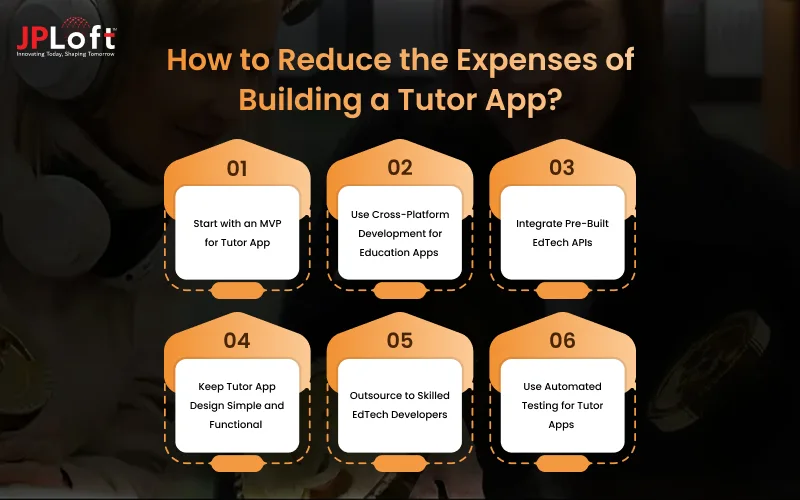
Here are the practical ways to keep your budget under control without affecting quality:
► Start with an MVP for Tutor App
Begin with essential tutor app features like student registration, tutor profiles, session booking, and video classes. This focused approach reduces initial development time and cost while allowing you to test your idea in the real market.
► Use Cross-Platform Development for Education Apps
Development using frameworks like Flutter or React Native to create a single codebase for Android and iOS. This approach significantly reduces development time, cost, and ongoing maintenance efforts for your tutor platform.
► Integrate Pre-Built EdTech APIs
Instead of developing features like live classes, chat, and payments from scratch, use ready-made APIs. These tools speed up development, ensure reliability, and lower costs while delivering essential tutor app functionalities without heavy backend investment.
► Keep Tutor App Design Simple and Functional
Focus on a clean and easy-to-use interface for students and tutors. Avoid complex animations or heavy visuals in the early stage, as they increase design and tutor app development cost without adding immediate value to your tutor platform.
► Outsource to Skilled EdTech Developers
Partner with experienced developers who understand tutor app requirements such as scheduling, live sessions, and user management. Choosing a cost-effective development team helps reduce expenses while ensuring your app meets industry standards and user expectations.
► Use Automated Testing for Tutor Apps
Implement automated testing to quickly identify and fix bugs in features like video sessions, bookings, and payments. This reduces manual effort, speeds up development cycles, and lowers long-term support costs for your tutor app.
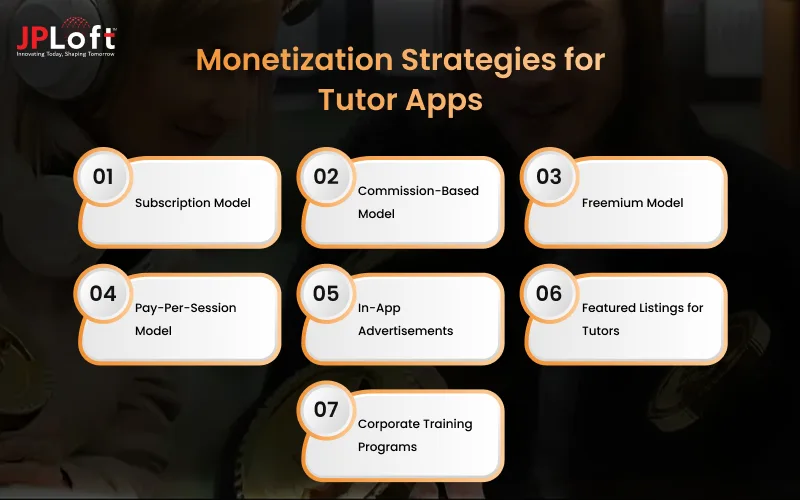
Monetization Strategies for Tutor Apps
App monetization strategies for a tutor app effectively ensure long-term sustainability while delivering value to both students and educators. By combining multiple strategies from this tutor app development cost, you can maximize revenue while keeping the app attractive and accessible to users.
1. Subscription Model
Users pay a recurring fee to access tutoring services or premium content. Offer monthly or yearly plans with different pricing tiers based on features, subjects, or tutor access.
Revenue Source: Regular subscription fees from students using the platform.
2. Commission-Based Model
The platform earns a percentage from each tutoring session booked. Tutors set their prices, and the app charges a fixed commission on every completed session.
Revenue Source: Commission earned per transaction between students and tutors.
3. Freemium Model
Basic features are free, while advanced features require payment. Provide free access to limited sessions or content, and charge for premium tools like recorded classes or progress tracking.
Revenue Source: Upgrades to premium features and services.
4. Pay-Per-Session Model
Students pay only for the sessions they attend. Users book and pay for individual classes without any long-term commitment.
Revenue Source: One-time payments per tutoring session.
5. In-App Advertisements
Display ads within the app to generate additional income. Partner with ad networks to show relevant ads to users during app usage.
Revenue Source: Earnings from impressions and clicks on advertisements.
6. Featured Listings for Tutors
Tutors pay to promote their profiles for better visibility. Offer highlighted or top-ranking placements in search results for a fee.
Revenue Source: Payments from tutors for premium visibility.
7. Corporate Training Programs
Offer learning solutions to businesses for employee training. Partner with companies to provide customized courses and skill development programs.
Revenue Source: Contracts and subscription fees from organizations.

How Can We Help You Build a Cost-Effective Tutor App?
Building a tutor app that balances quality and cost requires the right technology partner. At JPLoft, an experienced tutor app development company, we focus on delivering scalable and budget-friendly solutions tailored to your business goals.
Whether you are a startup or an enterprise, our team ensures your tutor app is built with the right features, performance, and user experience from the start. We follow a strategic development approach that prioritizes essential features, helping you launch faster with a cost-effective MVP.
As your platform grows, we support seamless scaling by adding advanced features like live classes, AI-based recommendations, and analytics without disrupting your budget. Our expertise in cross-platform development also helps reduce overall costs while reaching a wider audience.
With a strong focus on quality, security, and performance, we ensure your tutor app meets modern user expectations. From planning and design to development and post-launch support, JPLoft provides end-to-end services that keep your investment optimized.
Partner with us to build a tutor app that drives engagement, delivers value, and stays within your budget.
Conclusion
An average idea of the breakdown of tutor app development cost helps you plan better and avoid unexpected expenses. From feature selection to platform choice and hidden costs, every decision impacts the final budget.
According to the tutor app development cost guide, the cost varies between USD 10,000 and USD 80,000+, depending on its complexity and scalability needs. By focusing on essential features, using the right technology, and following a phased approach, you can control costs while building a high-quality product.
It is also important to consider long-term expenses such as maintenance, upgrades, and infrastructure to ensure smooth performance. Choosing the right development partner plays a key role in balancing cost and quality.
With proper planning and smart investment, a tutor app can deliver strong returns while meeting the growing demand for digital learning solutions.
FAQs
The cost to develop a tutor app typically ranges between USD 10,000 to USD 80,000+, depending on features, complexity, and scalability. Basic apps cost less, while advanced platforms with live classes, AI features, and analytics require higher investment and longer development timelines.
Major factors include app features, platform choice, UI/UX design, technology stack, and development team expertise. Backend infrastructure, API integrations, and security requirements also impact costs, making proper planning essential to control expenses and ensure smooth tutor app development.
Hidden costs include server hosting, cloud storage, app store fees, bug fixing, and performance optimization. Scalability upgrades and data security measures also add ongoing expenses, making it important to plan for long-term operational costs beyond initial development investment.
You can reduce costs by building an MVP first, using cross-platform frameworks, and integrating ready-made APIs. Keeping the design simple and launching with essential features helps control budget while allowing future upgrades based on user feedback and business growth.
You can reduce costs by building an MVP first, using cross-platform frameworks, and integrating ready-made APIs. Keeping the design simple and launching with essential features helps control budget while allowing future upgrades based on user feedback and business growth.

Kris Jacobs brings 20+ years of experience solving complex digital product challenges through strategic thinking and user-centric design. With deep exposure to on-demand services, entertainment, travel, and interactive platforms, she collaborates across teams to shape scalable, engaging solutions that align business goals with intuitive user experiences across evolving digital landscapes.





Share this blog