


Key Takeaways
The cost to make a flower delivery app varies based on features, design complexity, platform choice, and overall business requirements.
Building an MVP first helps reduce initial investment and allows you to validate your idea before scaling features gradually.
Hidden costs like maintenance, logistics, and customer support can significantly impact your total budget if not planned early.
Smart strategies like cross-platform development and using ready-made tools can help reduce development time and overall cost effectively.
Flower delivery apps generate revenue through commissions, delivery charges, subscriptions, and seasonal pricing, ensuring long-term business profitability.
Choosing an experienced development partner like JPLoft helps optimize costs, improve app quality, and ensure smooth scalability for future business growth.
Flowers are no longer bought only from nearby shops. People now prefer ordering them through apps for speed and convenience. That shift creates a strong opportunity for businesses entering this space.
But before you move ahead, one question matters most: how much does it cost to develop a flower delivery app?
This guide to flower delivery app development cost helps you understand the real investment behind building such an app. From basic platforms to feature-rich solutions, pricing can vary widely.
The cost to create a flower delivery app depends on several key factors like features, design, and technology.
Here, you’ll get a clear view of pricing, cost drivers, and ways to optimize your budget in 2026.
How Much Does a Flower Delivery App Cost?
So, how much does it cost to build a flower delivery app? The answer depends on your app’s scope, features, and overall complexity.
On average, the cost to develop a flower delivery app ranges from $5,000 to $40,000+.
A basic app with essential features will fall on the lower end of the range. As you add advanced features like real-time tracking, smart recommendations, and custom design, the cost increases.
Since this is an on-demand business model, the on-demand app development cost structure also plays a key role in shaping the final budget.
In short, your final cost depends on how simple or advanced you want your app to be.

Factors Impacting the Cost to Build a Flower Delivery App
If you are planning your budget, understanding the flower delivery app development cost breakdown is essential. The cost depends on both technical and business decisions. Every feature and system you choose directly affects your total investment.
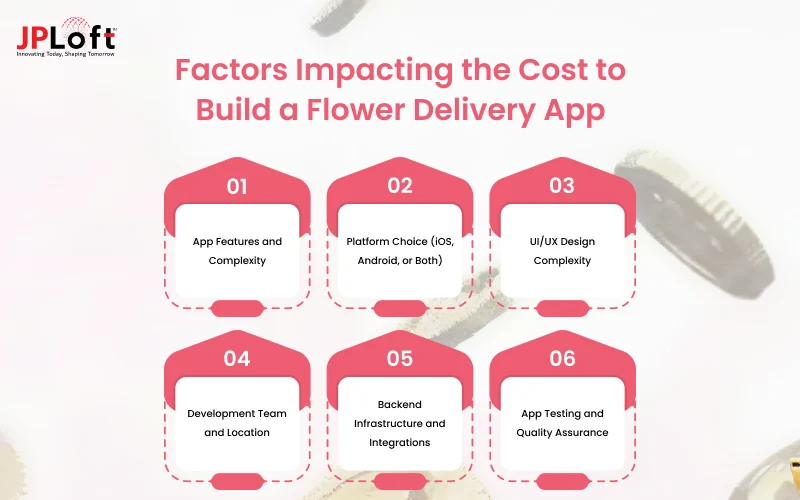
Here are the key factors you should consider:
1. App Features and Complexity
In a flower delivery app, features go beyond basic shopping. You need real-time order tracking, delivery slot selection, and vendor management. Advanced app features like subscription bouquets or AI-based suggestions increase the cost to create a flower delivery app.
|
Level |
Included Features |
Cost Impact |
|
Basic (MVP) |
Product catalog, cart, checkout |
Low |
|
Mid-Level |
Order tracking, notifications, user profiles |
Moderate |
|
Advanced |
AI recommendations, subscriptions, live tracking |
High |
2. Platform Choice (iOS, Android, or Both)
Platform choice matters when targeting customers ordering flowers on different devices. Many premium users prefer iOS, which increases the cost to hire an iOS developer. Building for both platforms ensures reach but adds to development cost.
|
Level |
Platform Scope |
Cost Impact |
|
Single Platform |
Android or iOS only |
Low |
|
Cross-Platform |
One codebase for both platforms |
Moderate |
|
Native Apps |
Separate apps for Android and iOS |
High |
3. UI/UX Design Complexity
A flower delivery app relies heavily on visual appeal. Customers choose flowers based on design and presentation. Investing in professional UI/UX design services helps improve conversions, but also increases development cost.
|
Level |
Design Scope |
Cost Impact |
|
Basic |
Simple layout, minimal visuals |
Low |
|
Enhanced |
Custom design, better navigation |
Moderate |
|
Advanced |
Rich visuals, animations, premium experience |
High |
4. Development Team and Location
The team you choose impacts both quality and budget. Hiring experts ensures better results, but the cost to hire a mobile app developer in the USA is higher than in other regions. This directly affects your overall project investment.
|
Team Type |
Characteristics |
Cost Impact |
|
Freelancers |
Lower cost, limited scalability |
Low |
|
Mid-Level Agency |
Structured development process |
Moderate |
|
Experienced Company |
Scalable and reliable solutions |
High |
5. Backend Infrastructure and Integrations
Flower delivery apps need strong backend systems to manage vendors, orders, and delivery timing. Integrating payment gateways and delivery APIs often requires you to hire dedicated developers, which increases cost but ensures reliability.
|
Level |
Infrastructure Scope |
Cost Impact |
|
Basic |
Simple backend, limited integrations |
Low |
|
Scalable |
Cloud setup, payment and delivery APIs |
Moderate |
|
Advanced |
Real-time syncing, multi-vendor support |
High |
6. App Testing and Quality Assurance
Testing is important for apps handling real-time orders and deliveries. Bugs can affect customer experience and delivery accuracy. Continuous testing and updates contribute to the overall mobile app maintenance cost over time.
|
Level |
Testing Scope |
Cost Impact |
|
Basic |
Manual testing, limited devices |
Low |
|
Enhanced |
Automated testing, multi-device checks |
Moderate |
|
Advanced |
Performance, security, and stress testing |
High |
Each of these factors directly impacts your development budget. Choosing the right combination helps you control costs while building a reliable and scalable flower delivery app.
Hidden Factors Impacting the Development Cost of a Flower Delivery App
Beyond the visible elements, several hidden factors can increase the cost to make a flower delivery app. These are often missed during early planning. However, they directly affect long-term performance, operations, and user experience.
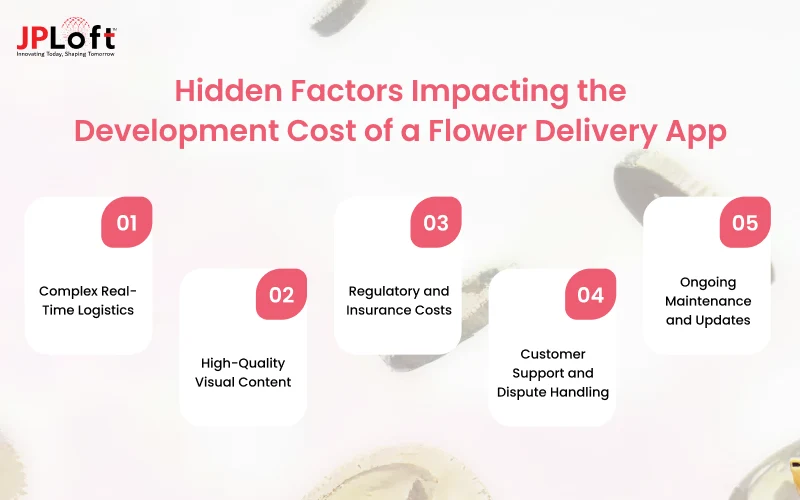
Here are the key hidden factors you should consider:
► Complex Real-Time Logistics
Managing fresh inventory across multiple vendors requires advanced backend systems. These systems sync stock levels, delivery slots, and order updates in real time. This complexity increases the cost to build a flower delivery app due to custom development needs.
Cost impact: $5,000–$15,000 (one-time development cost)
► High-Quality Visual Content
Flower apps rely heavily on visuals. You need professional images or 3D previews for each product. This improves conversions but increases production costs. These creative needs directly affect the flower delivery app development cost over time.
Cost impact: $150–$1,500 per product (ongoing cost)
► Regulatory and Insurance Costs
Running a flower delivery business requires licenses and insurance. These costs are not part of development but impact your overall budget. While separate from technical expenses like the mobile app development cost in USA, they still play a key role in long-term operational planning.
Cost impact: $125–$400 per month
► Customer Support and Dispute Handling
Flower delivery involves emotional purchases. Issues like damaged flowers or wrong deliveries are common. You may need automated systems and teams to handle complaints. This is where the cost to hire dedicated developers may increase for support systems.
Cost impact: 2–5% of monthly revenue
► Ongoing Maintenance and Updates
After launch, your app needs regular updates and bug fixes. Performance improvements and feature updates are ongoing tasks. Understanding how to reduce mobile app frontend maintenance costs can help control long-term expenses.
Cost impact: 15–20% of the initial development cost annually
These hidden factors may not appear in early estimates. However, they play a major role in the total cost and success of your app. Planning for them early helps avoid budget surprises later.
Best Practices to Reduce Cost to Develop a Flower Delivery App
Reducing the cost of flower delivery app development is not about cutting features. It is about making smarter decisions during planning and execution.
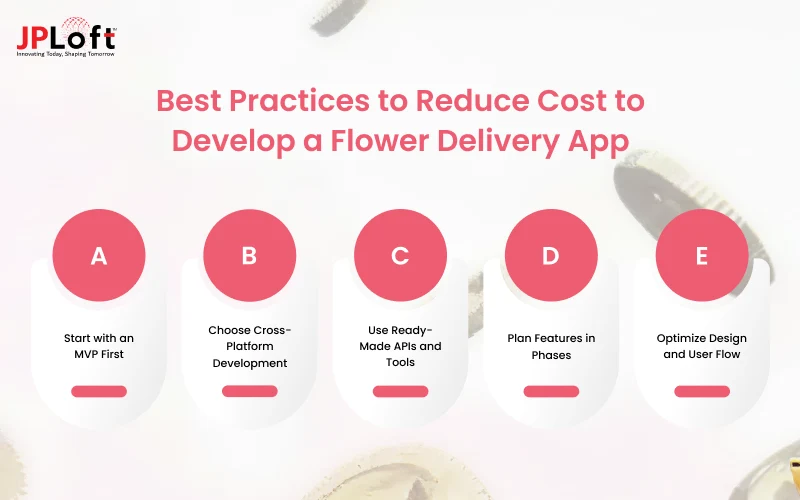
With the right approach, you can lower the cost to build a flower delivery app while still building a scalable product.
A. Start with an MVP First
Begin with only the core features like product listing, checkout, and order tracking. Avoid adding advanced features early. This helps you test your idea and understand how much does it cost to hire app developers without overspending.
-
Save 30% – 50%
B. Choose Cross-Platform Development
Instead of building separate apps, use a single codebase for both platforms. This reduces development time and cost. It also helps avoid high expenses like the cost to hire Android app developers for separate builds.
-
Save 25% – 40%
C. Use Ready-Made APIs and Tools
Avoid building everything from scratch. Use existing tools for payments, notifications, and tracking. This reduces development time and effort, lowering the cost to make a flower delivery app significantly.
-
Save 20% – 35%
D. Plan Features in Phases
Do not launch with every feature at once. Add advanced features after user feedback. This approach keeps your budget under control and helps you decide when to hire app developers for scaling.
-
Save 15% – 30%
E. Optimize Design and User Flow
Keep your design simple and user-friendly. Avoid unnecessary animations and complex layouts. A clean design reduces development time and helps control the cost of your flower delivery app.
-
Save 10% – 25%
By following these practices, you can reduce development costs without affecting app quality. Smart planning always leads to better results and long-term savings.
How Flower Delivery Apps Make Money?
Understanding how these apps generate revenue helps you plan better returns. If you are wondering, how much does it cost to create a flower delivery app? the answer becomes clearer when you look at its earning potential.
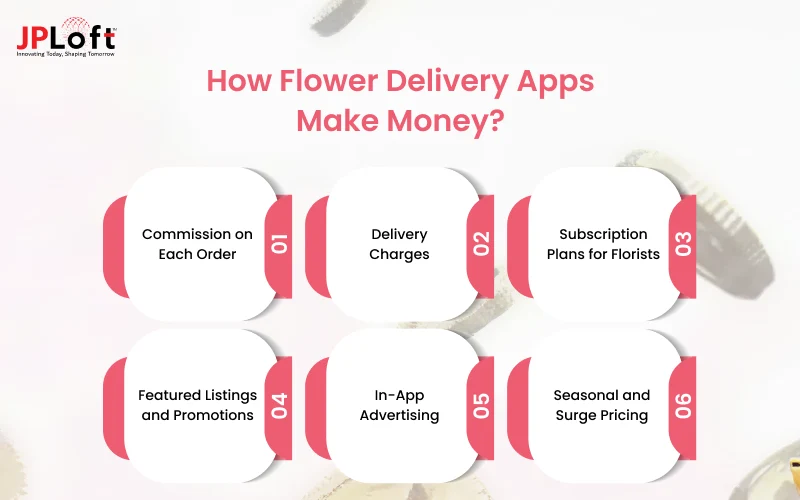
[1] Commission on Each Order
Most platforms earn by charging a commission from florists on every order. The app connects customers with vendors and takes a share from each transaction. This model creates a consistent and scalable revenue stream.
Revenue potential: 10% – 25% per order
[2] Delivery Charges
Delivery fees are another key income source. Charges depend on distance, time, and urgency. Same-day or midnight delivery options usually cost more, helping increase revenue without affecting user demand.
Revenue potential: $2 – $10 per delivery
[3] Subscription Plans for Florists
Apps often offer subscription plans to vendors for better visibility. These plans ensure recurring income. Businesses that create a flower delivery app often rely on this model for stable monthly revenue.
Revenue potential: $20 – $200 per month per vendor
[4] Featured Listings and Promotions
Florists can pay to promote their listings at the top. Sponsored placements help increase visibility and sales. This strategy works best during high-demand seasons like festivals and special occasions.
Revenue potential: $50 – $500 per campaign
[5] In-App Advertising
Apps can display ads from florists or related brands. This includes banners and featured product placements. Many businesses investing in custom mobile app development USA use this strategy to create an additional revenue stream beyond core services.
Revenue potential: $100 – $1,000 per month (depends on traffic)
[6] Seasonal and Surge Pricing
Demand for flowers rises during events and celebrations. Apps can increase prices during these periods. This helps improve margins and maximize profits during peak demand cycles while balancing overall mobile app development costs.
Revenue potential: 20% – 40% higher margins

How JPLoft Helps Build Cost-Efficient Flower Delivery Apps?
Building a flower delivery app requires the right balance between quality and cost. JPLoft helps businesses achieve this with smart planning and proven strategies. As a trusted flower delivery app development company, we focus on building scalable apps without unnecessary expenses.
Our team understands your goals before starting development. This helps us define the right features and avoid extra costs.
We use modern tools and reusable components to speed up the process. This approach helps optimize the cost to develop a flower delivery app without affecting quality.
Our agile process ensures faster delivery and better flexibility. Each stage is carefully planned to reduce delays and manage changes smoothly. From design to launch, the entire process stays simple and efficient.
With JPLoft, you get a cost-effective solution built for long-term growth and success.
Conclusion
Building a flower delivery app in 2026 requires smart planning and clear budget decisions. The total cost depends on features, design, and long-term goals. Understanding each factor helps you avoid unnecessary spending and stay within budget.
From development to hidden costs, every stage plays an important role. A well-planned approach ensures better performance and user experience. It also helps you scale your app without major changes later.
Focusing on the right features and using cost-saving strategies can make a big difference. You do not need to build everything at once. Start simple and improve based on user needs.
In the end, success depends on balancing cost, quality, and growth. A smart investment always leads to better long-term results.
FAQs
The cost usually ranges between $5,000 and $40,000 or more. It depends on features, design, and platform choice. A basic app costs less, while advanced apps with custom features require a higher investment.
Development time can vary from 4 to 12 weeks. A simple app takes less time, while advanced apps need more planning and testing. Timelines also depend on team size, features, and project complexity.
Key features include product listings, search, cart, secure payments, and order tracking. Notifications and user accounts also improve the experience. These features help ensure smooth ordering and better customer satisfaction.
You can start with an MVP and add features later. Using cross-platform tools and ready-made APIs also helps. Smart planning and choosing the right development team can significantly reduce overall costs.
Yes, it can be profitable with the right strategy. Revenue comes from commissions, delivery charges, and subscriptions. A well-planned app with strong demand can generate steady income and long-term business growth.

Conor has more than 10 years of experience in software development, app creation, solution engineering, and UX/UI design. With an impressive track record of high retention and growth working with Fortune 500 companies, he brings the technical depth and strategic perspective needed to help businesses build impactful, user-focused digital solutions.


Share this blog