


Key Takeaways
Choosing the right flower delivery app features directly impacts user experience, engagement, and long-term business success.
Essential features like browsing, payments, and tracking ensure smooth ordering and build customer trust across the platform.
Advanced capabilities such as AI, AR, and automation improve personalization and make the app more competitive.
Balancing essential and advanced features helps create a scalable, user-friendly, and future-ready flower delivery solution.
Feature selection should always align with user needs, business goals, and long-term growth strategy for better results.
Partnering with JPLoft helps businesses design and develop tailored flower delivery solutions with expert planning and technical execution.
Sending flowers is no longer limited to local shops and phone orders. Customers now expect quick browsing, personalized choices, and same-day delivery from their smartphones. As a result, businesses are investing in the right flower delivery app features to meet these changing expectations.
The opportunity is growing fast. According to Grand View Research, the global flower delivery service market is projected to reach USD 11.27 billion by 2030. This growth is largely driven by increasing online ordering and mobile app usage.
However, building a successful app requires more than an attractive design. Businesses must focus on the essential flower delivery app features that improve convenience and drive repeat orders.
In this blog, we'll explore key features, advanced capabilities, and practical tips for choosing the right functionality for your flower delivery app.
Essential Features for a Flower Delivery App
Customers expect more than a simple ordering experience today. A successful flower delivery app should make browsing, gifting, payment, and delivery management easy for both customers and businesses.
Below are the key features that help create a reliable, user-friendly, and competitive flower delivery platform.
1. User Registration and Profile Management
Strong flower delivery app features often start with a simple onboarding experience. Customers should be able to register using email, phone numbers, or social accounts.
A personal profile helps users save addresses, payment preferences, and order history. This reduces effort during future purchases and encourages repeat orders.
It also allows businesses to deliver more personalized experiences based on customer behavior and preferences.
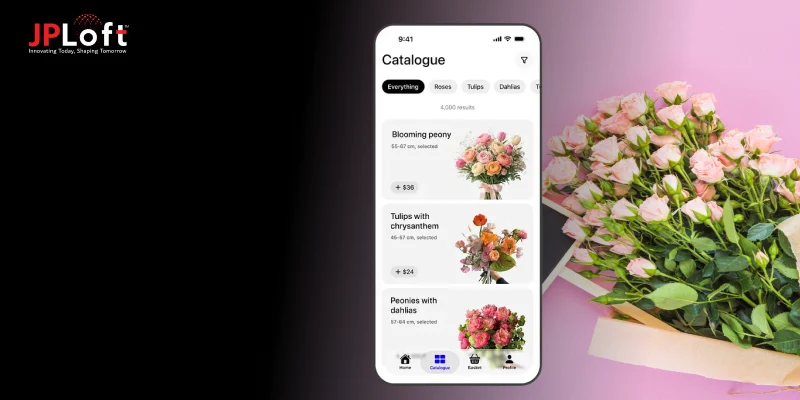
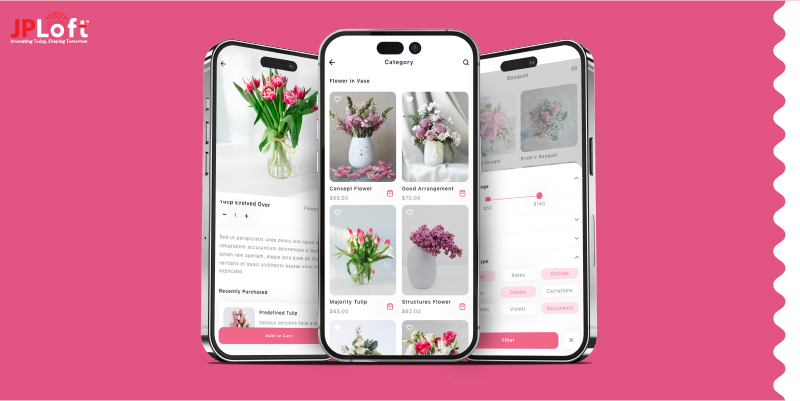
2. Smart Flower Catalog with Filters
Finding the right bouquet should never feel difficult. A well-structured catalog helps customers browse flowers by category, occasion, price, color, or popularity.
Advanced filters reduce search time and improve the shopping experience. High-quality images, detailed descriptions, and clear pricing further support purchase decisions.
An organized catalog also helps businesses showcase their products more effectively and increase product visibility.
3. Occasion-Based Flower Discovery
Many customers buy flowers for birthdays, anniversaries, weddings, and festivals. Dedicated occasion-based sections help them quickly find suitable arrangements without unnecessary searching.
Among the best flower delivery app features, this capability improves navigation, reduces browsing time, and encourages faster purchasing decisions.
Businesses can also showcase seasonal collections, festival specials, and promotional offers within these categories to increase product visibility and sales.
4. Real-Time Order Tracking
Customers want to know where their orders are after checkout. Real-time tracking provides updates throughout preparation, dispatch, and delivery stages.
This visibility reduces uncertainty and minimizes customer support requests. Delivery transparency builds confidence and improves overall satisfaction.
It also helps businesses manage customer expectations more effectively, especially during busy periods when delivery schedules may experience minor delays.
5. Flexible Delivery Scheduling
Flower deliveries often depend on timing. Customers may want flowers delivered on a birthday morning or before an anniversary dinner.
Flexible scheduling lets users choose preferred dates and time slots. As one of the most practical flower delivery mobile app features, it improves user convenience.
It also helps businesses manage deliveries more smoothly. This is especially useful during peak gifting seasons when order volumes are high.

6. Secure Multiple Payment Options
A smooth checkout process directly impacts conversion rates. Customers expect payment flexibility through credit cards, debit cards, digital wallets, and UPI platforms.
Secure payment processing helps build trust and reduces cart abandonment. Businesses should also support encrypted transactions to protect customer information.
Integrating reliable payment systems is one of the most important mobile app features for creating a dependable ordering experience.
7. Address Book and Saved Recipients
Many users send flowers to family members, friends, and colleagues throughout the year. A saved recipient feature eliminates the need to enter delivery information repeatedly.
Customers can store multiple addresses and access them whenever needed. Among practical flower delivery application features, this functionality saves time.
Also, it makes repeat purchases much easier and supports a smoother checkout experience.
8. Personalized Gift Add-Ons
Flowers are often only one part of a gift. Customers frequently look for chocolates, cakes, greeting cards, or custom messages alongside bouquets.
Offering personalized add-ons helps businesses increase average order value naturally. Many businesses consider this as one of the top flower delivery app features to include.
The reason being it creates a complete gifting experience. It also improves customer satisfaction and convenience.
9. Push Notifications and Order Updates
Timely communication keeps customers informed throughout the ordering journey. Push notifications can share updates about order confirmation, payment status, dispatch, and successful delivery.
They also help businesses promote discounts, seasonal collections, and special campaigns. When used thoughtfully, notifications encourage engagement without becoming intrusive.
Consistent communication strengthens customer trust and keeps users connected with the platform.
10. In-App Customer Support
In-app customer support is considered one of the essential flower delivery features since it helps reduce frustration and improve customer satisfaction.
Questions can arise before, during, or after a purchase. Customers may need help with product selection, delivery timing, or payment issues.
In-app support through chat, calls, or help centers provides quick assistance whenever required. Many businesses also build a chatbot to handle common queries, as fast problem resolution often encourages repeat business.
11. Florist and Inventory Management Dashboard
A customer-facing app alone is not enough. Businesses also need tools to manage inventory, update product listings, process orders, and monitor deliveries.
These backend systems are often considered must-have features of flower delivery apps because they help prevent stock shortages and operational delays.
All in all, efficient backend management not only ensures smoother order fulfillment but also improves customer experiences to make them repeat users.
12. Ratings and Reviews System
Ratings and reviews are among the best features to include in a flower delivery app. Businesses should not overlook this functionality, as a review system that helps users evaluate flower quality, delivery reliability, and overall service.
Many customers look for feedback from previous buyers before placing an order. Positive reviews build trust, while constructive feedback highlights areas for improvement.
Reviews also influence purchasing decisions and strengthen platform credibility.
Advanced Flower Delivery App Features to Consider
Advanced features take a flower delivery app beyond basic ordering and browsing. These capabilities focus on automation, intelligence, and system efficiency. They help businesses improve performance while offering smarter customer experiences.
Below are advanced features that enhance modern flower delivery platforms; every flower delivery business should consider including them.
[1] AI-Powered Bouquet Recommendations
AI systems analyze user behavior, purchase history, and occasion patterns to recommend relevant bouquets automatically.
This improves personalization and increases conversions. In fact, AI-powered recommendations are among the best flower delivery app features because they reduce user effort and enhance relevance.
Businesses often use AI development services to implement these engines, boosting engagement through smarter product visibility and predictive suggestions.
[2] AR-Based Flower Visualization
Augmented reality allows users to preview flower arrangements in real surroundings before buying. Customers can check scale, color balance, and presentation style.
This reduces uncertainty and improves purchase confidence. AR visualization enhances modern gifting experiences where presentation matters as much as product quality.
It is regarded among the top flower delivery app features for premium shopping experiences.
[3] Subscription-Based Delivery System
Subscription models allow users to automate recurring flower deliveries on weekly or monthly schedules. This feature supports long-term engagement rather than one-time purchases.
It is increasingly included among flower delivery mobile app features for corporate clients and frequent gifting users.
It also helps businesses generate predictable revenue and improve customer retention over time.
[4] Voice-Enabled Ordering and Search
Voice-enabled ordering is one of the top flower delivery app features that lets users search for flowers, place orders, and track status using simple spoken commands.
It improves accessibility and makes navigation easier for users looking to purchase flowers.
This feature is especially useful for mobile-first users who value speed, convenience, and hands-free interaction for a smoother shopping experience.
[5] AI Chat-Based Assistance System
AI-powered chat systems handle customer queries instantly, including order tracking, product suggestions, and basic support issues.
This reduces dependency on manual support teams and improves response speed.
Businesses often rely on AI chatbot development services to build intelligent support systems that enhance customer satisfaction and operational efficiency.
[6] Multi-Vendor Marketplace Framework
A multi-vendor system allows different florists to list and manage their products on a single platform. Customers benefit from greater variety and competitive pricing.
This model transforms traditional apps into scalable ecosystems.
Also, it is considered a strong addition to flower delivery application features for businesses aiming to expand across multiple cities or regions.
[7] Smart Delivery Route Optimization
Smart delivery route optimization ranks among the best flower app features in 2026, helping improve delivery speed, accuracy, and overall logistics efficiency.
It calculates efficient delivery paths using traffic data, distance, and timing factors. It helps reduce delays and ensures more accurate deliveries.
Unlike basic tracking, this feature focuses on backend logistics and routing performance.
[8] Dynamic Pricing and Demand-Based Control
Dynamic pricing adjusts flower costs based on demand, seasonality, and inventory levels. It helps businesses maximize revenue during peak events while also managing stock efficiently.
This system increases operational complexity.
It can impact the overall cost of the flower delivery app, depending on the level of automation, integration depth, and AI-driven pricing logic used in the platform.
How to Choose the Right Flower Delivery App Features?
Choosing the right features defines how well your flower delivery app performs in real situations. It impacts user satisfaction, business growth, and long-term success. A balanced feature set ensures smooth ordering, better engagement, and operational efficiency.
Below are key points to help you select the must-have features of flower delivery apps.
[A] Focus on User Needs First
Start by understanding what your customers expect from a flower delivery app. Features should solve real problems like quick ordering, easy navigation, and fast checkout.
Many businesses refer to the best features to include in a flower delivery app when prioritizing core functionalities. User feedback also helps refine decisions and improve overall experience.
[B] Prioritize Simplicity Over Complexity
A feature-rich flower delivery app is not always effective if it becomes confusing. Keep the interface simple and easy to use. Avoid unnecessary features that slow down navigation.
While planning to build a mobile app, always ensure core actions like browsing and ordering remain smooth, fast, and intuitive for every type of user.
[C] Ensure Long-Term Scalability
Your app should grow with your business needs over time. Features must support future updates, seasonal demand, and new customer segments.
Many companies use mobile app maintenance services to keep their systems updated and stable. Scalability ensures your app performs well even during high traffic periods and expanding market demand.
[D] Balance Essential and Advanced Features
A successful app includes both basic and smart functionalities. Essential features handle daily operations, while advanced tools improve engagement and personalization.
Referring to a list of the best flower delivery app features helps maintain this balance. This approach ensures users get both convenience and a modern experience without unnecessary complexity.
[E] Align Features with Business Goals
Every feature should support your business objectives, such as increasing sales or improving retention. Avoid adding features that do not contribute to growth.
When you develop a flower delivery app, focus on functionalities that directly impact revenue, customer satisfaction, and operational efficiency for better long-term success.
How JPLoft Can Help Choose the Right Flower Delivery App Features?
Choosing the right features can feel overwhelming without expert guidance. Every business needs a clear strategy before starting development. A well-planned approach helps avoid unnecessary costs and delays.
At JPLoft, we offer flower delivery app development services tailored to your business goals. Our team studies market needs and user behavior before suggesting feature sets. This ensures your app includes only what truly matters for growth.
We focus on building scalable and user-friendly solutions. From basic ordering systems to advanced automation, every feature is planned with purpose. Our experts also ensure smooth performance and long-term reliability for your platform.
With the right guidance, businesses can launch faster and smarter. JPLoft helps you turn your idea into a functional and competitive flower delivery app.
Conclusion
A well-planned flower delivery app can succeed only when it includes the right structure and functionality. Every feature should focus on making ordering simple, fast, and reliable for users. Strong planning also helps businesses avoid unnecessary development challenges and improves long-term performance.
Understanding modern flower delivery app features allows businesses to build platforms that match changing customer expectations. From browsing flowers to completing smooth deliveries, each element plays an important role in user satisfaction and business growth.
At the same time, selecting the essential flower delivery app features ensures your platform remains practical and easy to use. These features create a strong base that supports scalability, better engagement, and consistent customer retention in a competitive market.
FAQs
Essential features include user registration, product catalog, secure payments, and order tracking. These functions ensure a smooth ordering experience from start to finish. They also help businesses improve reliability, customer satisfaction, and overall service efficiency across all delivery stages.
Core features ensure the app works smoothly and meets basic customer expectations. They support browsing, ordering, and delivery management without confusion. Without these functions, users may face difficulties, leading to poor engagement and lower retention rates over time.
Advanced features like AI recommendations, AR previews, and subscription options improve personalization and engagement. They make the app more interactive and efficient. These features also help businesses stay competitive while offering a modern and convenient user experience.
Feature selection depends on user needs, business goals, and future scalability. Focus on simplicity, usability, and performance. A balanced mix of basic and advanced functions ensures better engagement and helps build a reliable and scalable digital platform.
Yes, app features directly affect development cost. Basic features are affordable, while advanced functionalities like AI, AR, or multi-vendor systems increase complexity. Proper planning helps balance budget with performance, ensuring a cost-effective and scalable solution.

Conor has more than 10 years of experience in software development, app creation, solution engineering, and UX/UI design. With an impressive track record of high retention and growth working with Fortune 500 companies, he brings the technical depth and strategic perspective needed to help businesses build impactful, user-focused digital solutions.


Share this blog