


Dating apps have become more than just tools for swiping; they are platforms where people can interact with like-minded individuals and create a bond with them.
Over the years, these platforms have evolved from simple match-and-chat systems into feature-rich experiences designed to make finding a connection feel more authentic.
But let’s be honest: users today expect more than just swipes and matches. They want dating apps that feel personal, secure, and truly tailored to their needs.
This demand has sparked exciting dating app development trends, from AI-driven matchmaking that understands your preferences to enhanced privacy features that make the experience feel safe and stress-free.
As the dating landscape continues to evolve, these trends are shaping how people connect in the digital age.
Let’s get into the most compelling innovations transforming dating apps today.
Top Innovative Trends in Dating App Development
From improved security measures to more personalized matchmaking, the evolution of dating apps is driven by the combination of technical advancements and the demands of users.
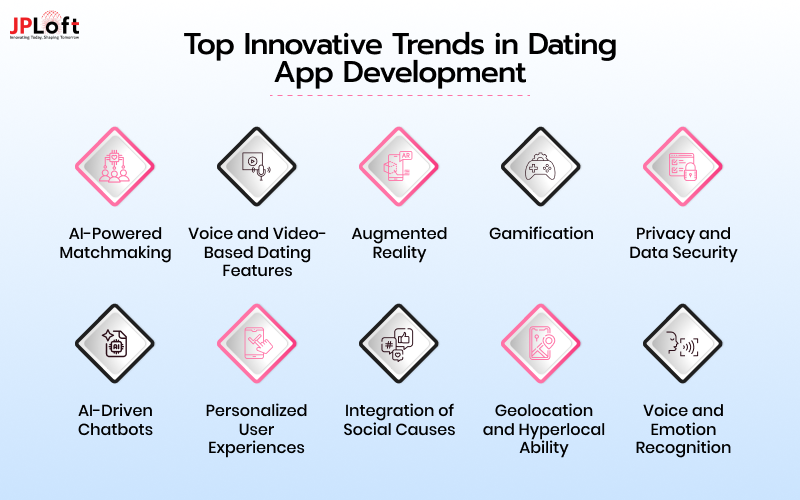
Here are some of the latest dating app development trends that are reshaping the definition of online dating.
1. AI-Powered Matchmaking
With users seeking increasingly personalized experiences, AI-Driven Matchmaking has emerged as an essential feature in the best dating apps for personalized matching.
Utilizing AI in dating apps, developers have the ability to design algorithms that assess user preferences, behaviors, and personality characteristics to suggest extremely compatible matches.
This advanced application of AI may even include emotion recognition in dating and analyzing user interactions to enhance comprehension of compatibility and forecast relationship success.
Using AI-generated suggestions, users enjoy a more personalized and significant matchmaking experience.
2. Voice and Video-Based Dating Features
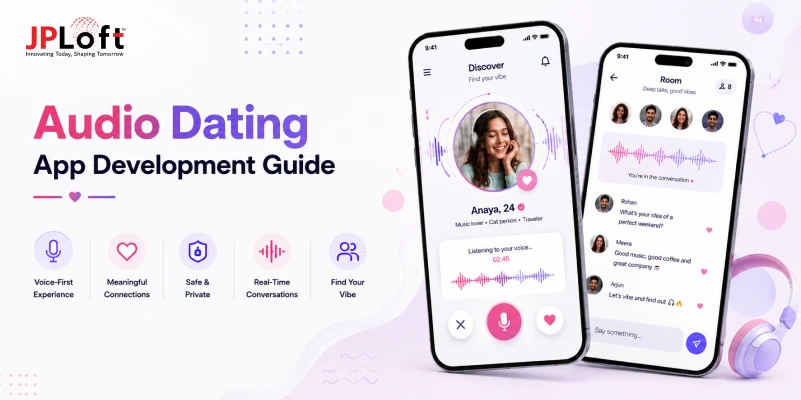
Voice and video have become essential voice and video dating features for those who want a safer and more authentic way to connect before meeting in person.
Through these dating app features, users can experience a more genuine interaction, allowing them to gauge personality and comfort levels in real time.
These trends in dating app development reduce the reliance on text alone and help users feel more connected.
As a result, dating apps with strong video and voice functionalities are shaping the future of dating apps by giving users more control and confidence in their interactions.
3. Augmented Reality (AR) Experiences
AR and VR in Dating Apps are taking virtual dating to a new level by offering immersive and interactive date options.
Through Augmented Reality (AR) Experiences, trends in dating apps are creating virtual environments for shared experiences, such as virtual coffee dates or fun mini-games.
These AR-driven features are excellent icebreakers, helping users to bond in creative ways.
By enabling users to participate in virtual activities, AR allows for a unique twist on traditional dating, especially for those who may be hesitant about in-person meetings initially.
4. Gamification and Interactive Features
Gamification introduces a fun aspect that maintains user involvement and promotes interaction, essential in today’s competitive dating scene.
Gamification in dating apps includes quizzes, challenges, and events that users can participate in together, helping to break the ice and foster connections.
These interactive features are designed to enhance the user experience and promote bonding through shared activities.
By blending fun elements with traditional dating app features, gamification creates a vibrant atmosphere that differentiates the best apps from the rest.
5] Enhanced Privacy and Data Security
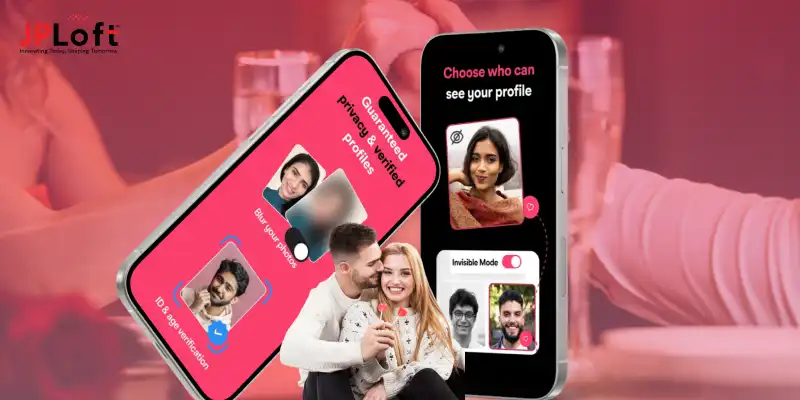
User privacy and safety have become very necessary because safe and secure dating app features are at the forefront, with improved safety protocols.
Advanced identity verification methods, anti-fraud algorithms, and secure in-app protocols are a few of the ways applications ensure user safety.
For users who prioritize a reliable atmosphere, improved privacy and security measures enable them to concentrate on significant connections without concerns about privacy violations or deceptive interactions.
As dating apps develop further, strong security protocols are essential for fostering user trust and providing a favorable experience.
6. AI-Driven Chatbots and Icebreakers
Initiating chats on dating apps can often be uncomfortable, prompting AI-powered chatbots and Icebreakers to transform the experience.
By utilizing AI, these chatbots provide tailored conversation initiators and prompts, assisting users in maintaining a smooth dialogue.
AI can suggest engaging icebreakers to help users start conversations with confidence. It can also send gentle nudges when chats go unanswered for a while.
These features encourage more interactions and help keep conversations active.
As a result, users find it easier to connect and maintain meaningful discussions.
7. Personalized User Experiences with Machine Learning
Today’s users expect customized experiences, and machine learning for dating apps makes this possible by tailoring recommendations to each user’s preferences and evolving habits. Apps are now able to analyze individual behaviors and update match suggestions based on users’ interactions and feedback.
This ability to personalize the experience helps users feel more engaged and satisfied, as they’re shown content and matches that truly align with their preferences, creating a unique and adaptive user experience.
8. Integration of Social Causes or Value-Based Matching
As people seek more meaningful connections, value-based dating apps are catering to those who prioritize shared values and causes. These apps help users find like-minded individuals by matching them based on social causes, such as environmental activism, charity involvement, or community support.
This value-based approach makes it easier for users to connect with those who share their passions and ideals, ultimately fostering deeper, more genuine relationships.
9. Geolocation and Hyperlocal Ability
Geolocation and hyperlocal features have redefined how quickly users can meet potential matches nearby. By allowing users to find connections in their immediate vicinity or at specific events, these features make it easier to transition from digital interactions to real-life meetings.
Whether users are looking for someone at a festival or a local café, hyperlocal tools facilitate fast in-person connections, offering a blend of convenience and immediacy that appeals to modern daters.
10. Voice and Emotion Recognition for Better Matching
With the addition of voice and emotion recognition, dating apps are enhancing compatibility significantly. This technology examines users' voices and emotional signals, aiding in the improvement of match recommendations based on personality characteristics and mood.
Emotion recognition can interpret how a user expresses themselves, offering insights into compatibility that go beyond traditional text and profile information. However, adding advanced technologies can be one of the most difficult dating app development challenges. This makes matches feel more authentic and attuned to individual personalities, enhancing the overall dating experience.
Top Dating Apps & What They Are Doing New
There are several dating apps present in the market, but only some of them are on every person’s list, such as apps like Tinder, Bumble, or Hinge.
The bigger question is: which dating app trends are shaping the industry, and how are top players using them to stay ahead of the competition?
Let’s talk about them:
1. “Shalant” Dating & Radical Intentionality
The era of acting “non-chalant” or aloof online is dying.
Daters are embracing “shalant’” dating, Gen-z know what it is, but if you are still wondering, then it means showing visible effort, transparency, and vulnerability right from the start.
Milestone: With this dating app trend, apps like True for Two require upfront, deep-dive quizzes about values and life goals. If a user’s behavior turns ambiguous, they are removed from the platform.
2. AI Wingmen & Conversational Assistance
Many apps are now making efforts by leveraging dating app development trends with opening lines; apps use LLMs to automate the icebreaking stage.
-
Grindr: Testing its “Wingman” AI assistant, which helps users start conversations, reply to messages, and keep chats flowing naturally.
-
Hinge: It uses AI-powered features that suggest opening messages and conversation ideas based on information shared in user profiles.
-
Tinder: Introduced an AI photo selector that reviews photos from a user’s gallery and recommends the best ones for their dating profile to improve matches. Businesses looking to create an app like Tinder are adopting similar AI-powered features.
3. The Offline Hybrid Renaissance
It’s a new dating app development trend to follow… Even many startups are transitioning from “swiping software” into high-efficiency local event planning tools to cure digital fatigue.
-
Thursday: Executed a huge strategic pivot by shutting down its daily swiping app to focus exclusively on coordinating high-volume, real-life single events and custom merchandise.
-
Timeleft: Operates a complex matching backend that groups six compatible strangers, booking them at a local restaurant for a real-life algorithmic blind dinner date.
-
Summer Dating: Leading the “anti-app” movement by engineering platforms specifically around curated offline experiences and activity-based social gatherings.
3. Multi-Sensory & WebRTC Video Verification
To prevent catfishing and foster immediate trust, audio and live video features are woven directly into the messaging cores.
-
Bumble & Hinge: Both heavily use WebRTC to support integrated in-app video calls and voice notes. This lets users safely see and hear each other live without sharing personal phone numbers. As trust and safety become priorities, Bumble & Hinge app development often serves as a benchmark for integrating video & voice communication features.
-
LOVOO: Blends dating with live entertainment by building high-capacity live streaming and live video discovery tools directly into the user interface.
4. Cross-Platform Framework Deployment
Startups use cross-platform frameworks to ship high-fidelity matching experiences instantly to iOS & Android.
-
Feeld: Completely rebuilt its app using modern technology to deliver smoother animations, support group matching features, and offer more personalized profile and identity options.
-
Snack: Built as a video-first dating app, similar to short-form video platforms, with smooth video playback, fast swiping, and real-time content updates across different devices.
How Are These Trends Shaping the Future of Dating Apps?
The swift embrace of emerging technologies is changing dating apps into far more than simple match-making tools—they are increasingly evolving into environments for secure, captivating, and highly tailored interactions.
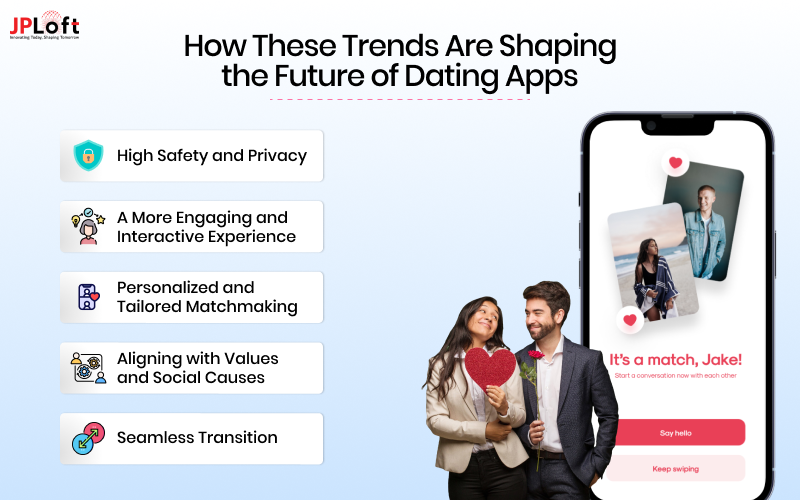
Here’s how these leading trends are influencing the Future of Dating Apps:
► High Safety and Privacy
Dating apps are emphasizing user safety by implementing advanced privacy and security features such as video verification and real-time monitoring to foster a dependable atmosphere. Elements like identity confirmation and anti-scam algorithms assist in filtering suspicious profiles, ensuring users feel assured they are engaging with genuine individuals.
This commitment to safety is essential in the current digital era, aiding dating apps in establishing trust and keeping users who might otherwise be reluctant to interact online. Though privacy and security features are necessary elements, it increases the cost to develop a dating app.
► A More Engaging and Interactive Experience
Trends such as gamification in dating apps, Augmented Reality (AR) Features, and Voice and Video Dating Options enhance dating apps significantly by introducing interactive components that surpass basic messaging.
Gamified elements like quizzes and icebreakers facilitate users in starting conversations, while AR and VR functionalities enable them to interact in creative and engaging ways.
By incorporating these fun, interactive options, dating apps create a richer user experience that increases engagement and helps users form connections in creative, enjoyable ways.
► Personalized and Tailored Matchmaking
This growing demand for intelligent recommendation systems is one reason many dating startups choose to hire AI developers who can build advanced matchmaking algorithms and personalized user experiences.
Through the examination of user data, preferences, and emotional signals, these dating app matchmaking algorithms recommend matches that are likely to better fit a user’s personality and values.
This degree of personalization allows users to discover more suitable matches while also enhancing their dating satisfaction, as they receive match recommendations that align with their true selves.
► Aligning with Values and Social Causes
For modern daters, shared values play a big role in compatibility. With value-based dating apps that align with social causes, users can now connect with others who share similar beliefs, passions, or life goals.
By matching users based on common values, dating apps are helping people build more meaningful relationships rooted in shared beliefs, making the dating experience feel less random and more purposeful.
► Seamless Transition from Digital to Real-World Interactions
Features like geolocation and hyperlocal matching bridge the gap between digital and real-life interactions, helping users connect with others nearby or at specific events.
This ability to meet people in real-time creates a seamless transition from virtual introductions to in-person connections, enhancing user satisfaction and adding an exciting immediacy to dating app interactions.
How JPLoft Is Leveraging Emerging Technologies to Shape the Future of Dating Apps?
Looking to integrate recent trends in your dating app? Get expert help from JPLoft.
We deliver custom dating app development solutions built around AI matchmaking, video and audio dating, VR experiences, and smart safety features, everything today’s users expect.
Our team includes skilled developers, QA experts, designers, and project managers with deep hands-on experience.
Together, they build strong, feature-packed dating platforms that incorporate the latest technologies.
Every project is developed with a sharp focus on current market trends and real user needs.
JPLoft creates dating apps that emphasize safety, customization, and meaningful interaction between users.
Conclusion
Dating apps have come a long way from simple swiping interfaces to full-fledged matchmaking platforms.
With features like specialized pairing and event-driven communication, they're now more personalized, secure, and interactive than ever.
But user expectations have shifted. It's no longer just about finding a match. It's about feeling safe, valued, and understood.
That's where today's most exciting dating app development trends come in.
From AI-driven matchmaking that tailors suggestions to individual preferences, to advanced privacy features ensuring a secure experience, these innovations are changing how people date online.
As the digital dating world keeps evolving, these trends are reshaping the future of connection.
FAQs
The top dating app development trends for 2026 include AI-Powered Matchmaking, Voice and Video-Based Dating Features, Augmented Reality (AR) Experiences, Gamification and Interactive Features, Enhanced Privacy and Security Features, and Value-Based Matching. These trends are focused on creating more personalized, secure, and engaging user experiences.
AI enhances dating apps by analyzing user data to make intelligent match recommendations based on preferences, interests, and behavior. It can also suggest conversation starters and monitor user activity to improve safety, resulting in a more personalized and enjoyable experience for users.
Privacy and security features are crucial in dating apps to protect users from scams, fake profiles, and data breaches. Features like identity verification, anti-scam algorithms, and in-app security protocols provide a safer environment, helping users feel confident and secure while using the app.
JPLoft uses emerging technologies like AI, AR, and machine learning to create cutting-edge dating apps that meet industry standards and exceed user expectations. Our team of developers, designers, and QA specialists works collaboratively to integrate these technologies and build apps that are robust, secure, and user-friendly.
Absolutely! JPLoft offers comprehensive iOS app development services for dating apps. Our expertise extends across platforms, including both iOS and Android, ensuring a high-quality user experience tailored to each platform.
AR and VR are used in dating apps to create immersive virtual dating experiences, such as virtual coffee dates, games, or interactive spaces where users can meet and interact. These technologies allow users to connect in new, engaging ways, making online dating feel more authentic and exciting.
The future of dating apps lies in creating highly personalized, secure, and interactive experiences. As trends like AI-driven personalization, AR/VR, and value-based matching continue to grow, dating apps are becoming platforms where users can form genuine, meaningful connections that go beyond traditional swiping.

Savannah is a passionate tech enthusiast with a sharp understanding of client needs across diverse digital domains. With expertise spanning financial platforms, on-demand solutions, and emerging technologies, she brings a unique blend of analytical insight and interpersonal skills, helping businesses decode complexities and make informed decisions in today's rapidly evolving digital world.


Share this blog