


Key Takeaways:
Growing streaming demand, creator economy expansion, and multiple revenue opportunities make Kick-like apps an attractive investment.
Kick clone app development costs range from USD 30,000 to USD 180,000+, depending on features, architecture, and complexity.
Core features include live streaming, creator dashboards, subscriptions, chat systems, analytics, moderation, and personalized content discovery.
Developing a Kick-like app involves planning, designing, backend and frontend development, testing, launching, and maintenance.
Factors affecting the cost to build an app like Kick are platform choice, architecture, features, security, design, integrations, and maintenance.
Kick-like apps generate revenue through subscriptions, virtual gifts, ads, memberships, creator partnership programs, and sponsorships.
JPLoft uses advanced technologies to deliver secure development, intuitive experiences, monetization features, and long-term technical support.
What if the next big live streaming platform could be yours?
With the rising popularity of creator-first platforms like Kick, entrepreneurs are exploring opportunities to build streaming platforms that attract gamers, influencers, and content creators. The first part of planning is about setting a budget and finding out how much it costs to develop an app like Kick.
The range depends on several factors, including app features, streaming quality, platform compatibility, security, backend infrastructure, and the location of the development team. From real-time chat and subscription systems to payment integration and moderation tools, every component influences the final investment.
In this blog, we will break down the cost to develop an app like Kick, key cost factors, development stages, core features, development steps, and monetization models to optimize your investment.
What is the Kick App?
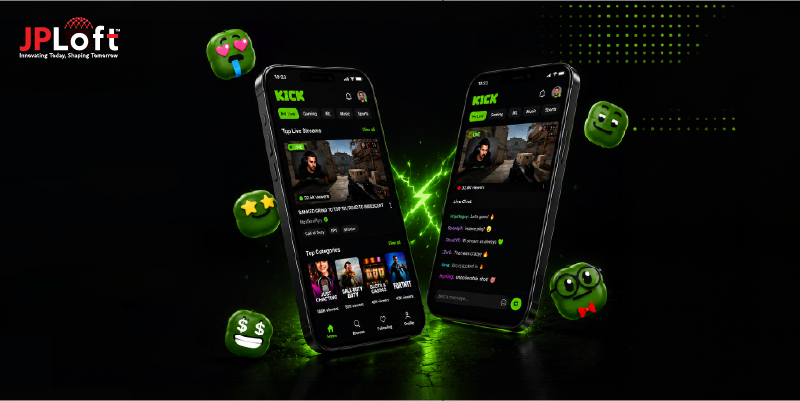
Kick is a live streaming platform that allows creators to broadcast real-time video while interacting with viewers through live chat. Launched in 2022, it quickly gained attention for its creator-friendly revenue model, flexible content policies, and competitive subscription payouts.
The platform works by enabling creators to start live broadcasts using streaming software such as OBS Studio or Streamlabs. Viewers can discover streams through search or recommendations, watch live, participate in chat, follow creators, subscribe, and support streams through donations.
Real-time messaging and low-latency streaming create an interactive experience that keeps audiences engaged throughout the broadcast. Its cloud-based infrastructure supports thousands of concurrent viewers while maintaining stable video delivery.
This combination of live interaction, creator earnings, and scalable streaming technology has made Kick a strong competitor in the live streaming industry.
Why Invest in Building an App Like Kick?
The live streaming industry continues to grow as audiences spend more time consuming real-time content across gaming, entertainment, education, sports, and business. Knowing how to build a video streaming app similar to Kick lets you enter a market with multiple revenue opportunities while serving the creators for engagement and monetization.
Here are the key reasons to invest in building a live streaming app like Kick:
1. Rising Demand for Live Streaming
Live streaming has become a preferred way to consume content because it offers real-time interaction. Businesses can attract creators and viewers looking for engaging experiences beyond traditional video platforms. Kick streaming app has over 50 million downloads on the Play Store and a 4.7 rating on the App Store.
2. Scalable Business Model
A live streaming platform can expand beyond gaming into fitness, education, music, shopping, podcasts, conferences, and live events. This flexibility helps businesses enter multiple industries without rebuilding the core platform infrastructure.
3. Growing Creator Economy
Millions of creators are searching for the best video streaming apps that offer better revenue sharing and audience growth opportunities. A creator-focused platform attracts quality content while building loyal communities that support long-term platform growth.
4. High User Engagement
Unlike on-demand video platforms, live streaming encourages instant conversations through chat, reactions, polls, and interactive features. These engagement tools increase watch time, improve user retention, and strengthen creator-audience relationships. Kick has almost 220.9 million monthly visits.
5. Multiple Revenue Streams
A streaming app can generate income through subscriptions, advertisements, virtual gifts, donations, premium memberships, sponsorships, and brand partnerships.
This diversified Kick app monetization model creates sustainable revenue and reduces dependence on a single income source.
6. Valuable User Insights
Whether you build a video streaming website or a mobile app, you can collect analytics on viewing behavior, audience engagement, subscriptions, and content performance. These insights help improve recommendations, optimize monetization strategies, and support data-driven business decisions.
How Much Does it Cost to Develop an App Like Kick?
The cost to make a live streaming app like Kick ranges from USD 30,000 to USD 180,000+. The final video streaming app development cost depends on the app complexity, features, platform selection, tech stack, and architecture.
A basic live streaming app consists of essential features like user registration, profile management, video streaming, live chat, and notifications. It is suitable for startups testing their app ideas.
A mid-level streaming platform includes advanced features such as creator dashboards, subscriptions, payment integration, content moderation, analytics, and improved streaming quality.
A fully customized platform similar to Kick comes with features like AI-powered recommendations, multi-quality streaming, real-time engagement tools, advanced security, cloud scalability, and extensive admin controls.
|
App Complexity Level |
Estimated Development Cost |
Development Timeline |
|
Basic Live Streaming App |
USD 30,000 - USD 60,000 |
4 - 6 months |
|
Medium-Level Streaming Platform |
USD 60,000 - USD 120,000 |
6 - 9 months |
|
Advanced App Like Kick |
USD 120,000 - USD 180,000+ |
9 - 12+ months |
Key Factors Affecting the Cost of Developing an App Like Kick
The cost to develop a streaming app like Kick depends on several technical and business factors. A live streaming platform requires advanced infrastructure, real-time communication capabilities, and scalable features to support creators and viewers.
Keeping an account of these factors impacting the cost to build an app like Kick helps you plan your budget effectively:
-
Feature Complexity: Advanced features like creator monetization, analytics, and suggestions generated through AI in a video streaming app require additional development resources.
-
Platform Selection: Developing for iOS, Android, and web increases development efforts compared to building a single-platform app.
-
Live Streaming Technology: Video encoding, real-time delivery, cloud servers, and bandwidth requirements significantly impact the cost to make an app like Kick.
-
UI/UX Design: A customized and engaging interface increases design and testing efforts.
-
Security Implementation: User privacy, content protection, payment security, and integrating video streaming app compliance add to the overall investment.
-
Maintenance and Updates: Regular improvements, server management, bug fixes, and new feature releases require ongoing expenses.
To reduce Kick app development cost, you can start with an MVP, integrate reliable third-party streaming APIs, and gradually add advanced features based on user feedback and the latest video streaming app trends.
Core Features to Include in a Kick-like App
Building a successful app like Kick requires a combination of live streaming capabilities, creator-focused tools, audience engagement features, and strong platform management systems. These video streaming app features help deliver a smooth streaming experience while allowing creators to grow their community and monetize.
|
Core Feature |
Description |
|
Live Video Broadcasting |
Allows creators to start real-time video streams with support for high-quality video delivery, multiple resolutions, and low-latency streaming for smooth viewer experiences. |
|
Creator Dashboard |
Provides streamers with a centralized panel to manage broadcasts, track channel performance, monitor earnings, analyze audience behavior, and access growth insights. |
|
Live Chat System |
Enables real-time conversations between creators and viewers through instant messages, emojis, reactions, and chat interactions during live streams. |
|
Creator Subscription System |
Enables viewers to subscribe to their favorite creators through paid memberships, helping streamers generate recurring revenue from their audience. |
|
Virtual Gifts and Donations |
Allows viewers to support creators through digital gifts, tips, or donations during live streams. Gamification in video streaming apps can create additional income opportunities for streamers. |
|
Stream Discovery and Categories |
Helps users find content through gaming categories, trending streams, recommended channels, and personalized content suggestions based on viewing activity. |
|
Content Moderation Tools |
Includes automated filters, user reporting, chat moderation, and creator controls to maintain a safe streaming environment. |
|
Stream Analytics Dashboard |
Provides creators with insights about viewer count, watch duration, engagement rate, subscriber growth, and stream performance. |
|
AI-Based Content Recommendations |
Uses user behavior, watch history, and engagement patterns to suggest relevant streams and improve content discovery. |
|
Admin Control Panel |
Enables platform owners to manage users, creators, payments, content reports, platform analytics, and policy enforcement from a single dashboard. |
|
Cross-Platform Support |
Allows users and creators to access the platform through mobile apps, web browsers, and other connected devices for wider reach. |
Step-by-Step Process to Develop an App Like Kick
Making a Kick-like app requires scalable architecture, reliable streaming infrastructure, secure monetization, and an engaging user experience.
Following a structured development process helps reduce risks, optimize Kick-like app development cost, and create a platform that supports long-term growth:
Step 1: Conduct Market Research and Define Your Business Strategy
Begin by identifying your target audience and choosing between a VOD vs live streaming platform to build. Decide whether your app will focus on gaming, entertainment, sports, music, education, or a combination of categories.
Study competitors like Kick, Twitch, and YouTube Live to understand user expectations, monetization models, and feature gaps. At this stage, define your revenue strategy, content moderation policies, compliance requirements, and long-term business goals to create a clear development roadmap.
Step 2: Plan Features and Design the User Experience
After defining the business strategy, prepare a detailed feature list of the video streaming app idea for viewers, creators, and administrators. Prioritize core streaming features such as live broadcasting, creator subscriptions, live chat, donations, content discovery, and analytics.
Design app wireframes and interactive app prototypes to visualize user journeys before development begins. A clean and intuitive interface makes it easier for users to navigate channels, discover content, and interact with creators, improving engagement and retention.
Step 3: Develop the Backend and Streaming Infrastructure
The backend is the foundation of a Kick-like platform. Build a scalable server architecture capable of handling thousands of concurrent users, live broadcasts, chat messages, notifications, and payment transactions.
Integrate cloud hosting, adaptive bitrate streaming, video encoding, database management systems, and CDNs in video streaming. A robust backend ensures low-latency streaming, faster content delivery, and reliable platform performance even during peak traffic.
Step 4: Build Cross-Platform Applications
Develop responsive applications for iOS, Android, and the web to maximize audience reach. Implement creator tools to start broadcasts, manage channels, and track performance.
For viewers, build features like stream discovery, personalized recommendations, real-time chat, channel subscriptions, and watch history. Ensure the interface remains consistent across all devices while optimizing performance for different screen sizes and operating systems.
Step 5: Integrate Monetization, Security, and Moderation Features
Core video streaming app security includes securing payment routes and strong user data protection. Integrate payment gateways for subscriptions, donations, and virtual gifts, and implement automated payout systems for creators.
Add multi-factor authentication, encrypted data storage, secure APIs, and fraud prevention measures. Include AI-powered moderation, user reporting, spam detection, and content filtering to maintain a safe environment for creators and viewers while complying with platform policies.
Step 6: Test Performance and Optimize the Platform
Comprehensive testing is essential before launching a live streaming app. Test video quality, streaming latency, server scalability, payment workflows, and security vulnerabilities. Ensure the app has compatibility across multiple devices and various network conditions.
Conduct video streaming app testing of loading to evaluate platform performance during high-traffic events. Resolve bugs, improve response times, optimize database queries, and fine-tune the streaming engine to deliver a seamless user experience under real-world conditions.
Step 7: Launch, Monitor, and Continuously Scale
Deploy the application to app stores and web servers after completing all quality assurance checks. Monitor server health, streaming quality, user engagement, subscription growth, and content performance using analytics dashboards.
Collect user feedback to identify video streaming app maintenance and release regular updates with new features, enhanced security, and performance optimizations. Scale cloud infrastructure, expand monetization options, and introduce advanced capabilities such as AI-powered recommendations to stay competitive.
Monetization Strategies for a Kick-Like Streaming App
A successful app should generate enough revenue to cover the investment in cost to develop an app like Kick and keep the business running smoothly. Combining subscriptions, advertising, and creator-focused video streaming app monetization helps build a sustainable business while supporting long-term app growth.
1. Creator Subscription Model
This model allows viewers to purchase monthly subscriptions to support their favorite streamers. Creators receive recurring income while platforms earn a percentage from subscription transactions.
Revenue Source:
Platform revenue comes from subscription fee sharing, where the app keeps a commission from each paid membership purchased by viewers.
2. Virtual Gifts and Creator Donations
Viewers can send digital gifts, tips, or direct donations during live streams to support creators. This encourages audience interaction and creates additional earning opportunities.
Revenue Source:
The platform generates income by charging transaction fees or retaining a percentage from virtual gift purchases and donation payments.
3. Advertising Revenue
Live streaming platforms display advertisements during broadcasts, between content sessions, or across creator channels. Ads help generate income while allowing users to access free streaming.
Revenue Source:
Revenue is generated through video ads, display advertisements, sponsored placements, and brand partnerships integrated within live streaming content.
4. Premium Viewer Memberships
Premium memberships provide viewers with exclusive benefits such as ad-free streaming, special badges, enhanced chat features, and access to premium creator content.
Revenue Source:
The platform earns through recurring premium membership fees paid by viewers seeking enhanced streaming experiences and exclusive community features.
5. Creator Partnership Programs
A creator partnership program rewards high-performing streamers with additional benefits, promotional opportunities, and revenue incentives to attract and retain popular content creators.
Revenue Source:
Revenue comes from platform growth through increased subscriptions, advertisements, sponsored streams, and exclusive creator agreements.
6. Sponsored Live Streams
Brands collaborate with creators to promote products, services, or campaigns through sponsored live streams. This creates valuable advertising opportunities within engaged creator communities.
Revenue Source:
The platform earns through sponsorship commissions, promotional fees, and branded content partnerships between businesses and streamers.
7. Affiliate Marketing
Creators promote products or services during live streams using affiliate links or promotional codes. Viewers purchase recommended products while creators and platforms earn commissions.
Revenue Source:
Income is generated through affiliate commissions from product sales, referral partnerships, and creator-driven purchases completed through the platform.
Why Choose JPLoft to Develop an App Like Kick?
Building a live streaming platform requires expertise in real-time communication, cloud infrastructure, and scalable app architecture.
JPLoft offers video streaming app development services to help you create secure, high-performance apps similar to Kick for long-term growth.
Our team develops feature-rich streaming solutions with low-latency broadcasting, live chat, creator dashboards, subscription management, payment integration, AI-powered recommendations, and advanced moderation tools.
We focus on creating intuitive user experiences while ensuring your platform performs reliably during high-traffic events. From product strategy and UI/UX design to development, testing, deployment, and ongoing maintenance, we support every stage of your project.
Using modern technologies and agile development practices, JPLoft helps you launch a competitive platform that drives user engagement and sustainable revenue.
Conclusion
Building an app like Kick requires a strong combination of advanced streaming technology, creator-centric features, and a scalable business strategy.
The actual Kick app development cost depends on the complexity, streaming infrastructure, features, and development approach. A successful live streaming platform must focus on smooth video delivery, real-time engagement, creator monetization, and user security.
Businesses can start with an MVP to validate their idea and gradually introduce advanced features like AI recommendations, analytics, and premium subscriptions. With the growing demand for creator-driven communities, investing in a Kick-like platform can open new opportunities in the digital entertainment market.
Partnering with an experienced development team helps transform your vision into a reliable and scalable streaming solution.
FAQs
Developing a streaming app like Kick typically costs between USD 30,000 and USD 180,000+ depending on complexity, features, and platform. Advanced streaming infrastructure, AI recommendations, monetization tools, scalability, and security significantly increase the overall development investment.
Businesses should invest because live streaming platforms generate recurring revenue through subscriptions, advertising, donations, and creator partnerships while attracting engaged audiences. The growing creator economy and rising demand for interactive content create strong long-term business opportunities and platform growth.
Development costs depend on platform selection, streaming infrastructure, feature complexity, UI/UX design, backend architecture, security, third-party integrations, and testing. Developer expertise, cloud hosting, maintenance, scalability, and content moderation also affect the overall project budget.
Start with an MVP that includes essential streaming, chat, and subscription features instead of building every advanced functionality initially. Use cross-platform development, reliable third-party APIs, and scalable cloud services to reduce costs without compromising performance.
The most effective monetization methods include creator subscriptions, virtual gifts, donations, premium memberships, advertisements, sponsored streams, and affiliate partnerships. Combining multiple revenue streams helps maximize earnings while offering creators and viewers valuable platform experiences.

Kris Jacobs brings 20+ years of experience solving complex digital product challenges through strategic thinking and user-centric design. With deep exposure to on-demand services, entertainment, travel, and interactive platforms, she collaborates across teams to shape scalable, engaging solutions that align business goals with intuitive user experiences across evolving digital landscapes.


Share this blog