


Key Takeaway:
Investing to build custom classified app offers scalable growth, multiple revenue streams, and strong user retention.
Different classified app types include general, job, real estate, vehicle, service, and niche platforms, each targeting specific users and goals.
The cost to build a classified platform varies from USD 8,000 to USD 100,000+, depending on features, complexity, platforms, and scalability.
Key challenges include user trust issues, competition, retention, moderation, scalability, and security, which require strategic solutions.
Steps of how to build a classified app are planning, research, feature selection, design, development, testing, and launch.
Partnering with JPLoft ensures expert development with advanced features and long-term support for a future-ready classified app.
Classified apps have changed how people buy, sell, and connect in the digital age. From finding a used car to listing a rental property, these platforms make everyday transactions faster and more convenient.
As user demand grows, businesses are seeing strong potential in knowing how to create a classified app to tap into this expanding market. However, creating a successful app doesn't end at posting listings. It requires the right features, a smooth user experience, and a scalable backend to handle growing traffic.
Every decision, from design to monetization, plays a role in long-term success. In this classified app development guide, we will walk you through the complete process. You will explore essential features, development steps, cost factors, and strategies to build a platform that stands out.
Whether you are a startup or an established business, this guide will help you plan with clarity and confidence.
What is a Classified App and How Does it Work?
A classified app is a digital platform that allows users to post, browse, and respond to ads for buying or selling products and services. It works as an online marketplace where individuals or businesses can connect directly without needing a middleman.
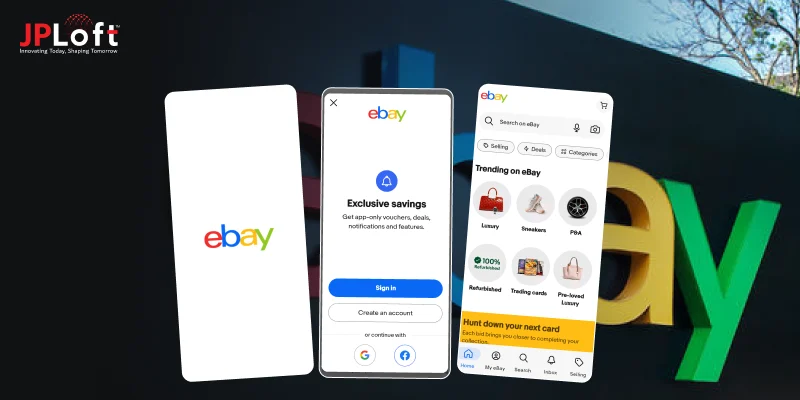
Some of the popular platforms are Gumtree and Craigslist, which have set the foundation for how to build a classified app and its functioning.
The functioning of the app starts as:
-
Users create an account to access the app and start posting or browsing listings.
-
Sellers post ads by adding details like title, description, price, and images.
-
The app organizes listings into categories for better structure and easy navigation.
-
Buyers use search and filters to find relevant products or services quickly.
-
Interested users view listings and check details before making a decision.
-
Buyers can contact sellers through in-app chat or call options for direct communication.
Modern classified apps also include features like location-based search, secure payments, and recommendation systems to improve user experience. For businesses, these apps generate revenue through various monetization strategies, making them both user-friendly and profitable.
Recent Market Statistics of the Classified App Industry
Let's look at the recent market statistics to get a brief idea of the market before you look into how to develop a classified app:
-
According to FutureMarketInsight, the global classified platform market reached USD 12.2 billion in 2025 and is expected to grow to USD 38.7 billion by 2035, with a CAGR of around 12.4%.
-
Statista estimated that global digital classifieds ad spending reached USD 22.11 billion in 2025, showing steady growth in monetization through ads.
-
Around 51% of total classified ad revenue will come from mobile devices by 2029, highlighting a strong mobile-first shift, according to IntelMarketResearch.
Why Invest in Classified Apps in 2026?
Investing in the process of how to make a classified app in 2026 is not just a trend.
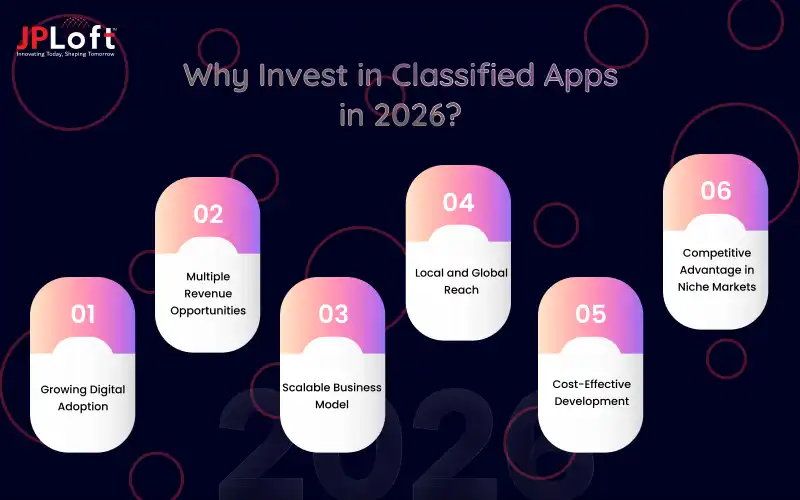
It is a strategic move backed by strong market growth, changing user behavior, and new monetization opportunities.
1. Growing Digital Adoption
More people are using smartphones and mobile apps for everyday needs. A classified app helps businesses connect with users where they already spend time. This shift toward digital platforms creates strong opportunities to attract, engage, and convert a larger audience.
2. Multiple Revenue Opportunities
Businesses can generate income through featured ads, premium listings, subscriptions, and third-party advertisements. This flexibility allows companies to test different monetization strategies. Over time, they can optimize revenue streams based on user behavior and platform performance.
3. Scalable Business Model
A classified app can begin with a single category, such as vehicles or jobs, and expand gradually. As user demand grows, businesses can add new categories and features. This scalability ensures long-term growth without requiring a complete platform rebuild.
4. Local and Global Reach
Classified apps allow businesses to target users in specific locations while also expanding to wider markets. Location-based features help users find relevant listings nearby. At the same time, the platform can scale to serve national or international audiences easily.
5. Cost-Effective Development
Compared with complex platforms, classified apps initially require fewer advanced features. This makes them more affordable to develop and launch. Businesses can start with a basic version and upgrade features later, reducing upfront investment while still entering the market quickly.
6. Competitive Advantage in Niche Markets
Instead of targeting a broad audience, businesses can focus on specific niches like real estate, pets, or services. This targeted approach reduces competition and attracts a dedicated user base, helping the platform stand out and grow faster within a defined market segment.
Types of Classified Apps You Can Build
There are various types in the classified app. Each type serves a different purpose, so the right choice depends on your target audience, business model, and long-term vision.
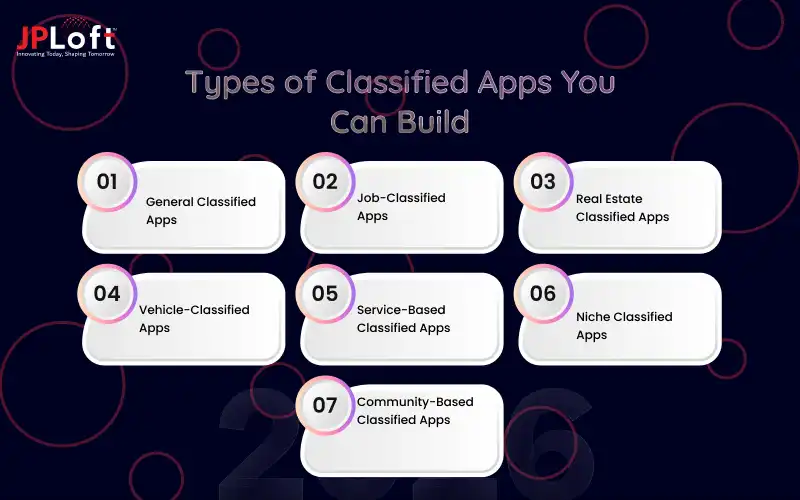
Here are the main types of classified apps you can build, based on different business goals and user needs:
Type 1: General Classified Apps
These platforms cover multiple categories, such as electronics, jobs, real estate, and services. Apps like Craigslist and Facebook Marketplace fall into this category. They attract a broad audience and generate high traffic.
Type 2: Job-Classified Apps
Focused on job listings, these apps connect employers with job seekers. Platforms like Indeed and ZipRecruiter are strong examples. They often include filters, resume uploads, and alerts.
Type 3: Real Estate Classified Apps
These apps list properties for rent, sale, or lease. Apps such as Zillow and Realtor.com help users find homes with detailed listings and location filters.
Type 4: Vehicle-Classified Apps
Dedicated to buying and selling cars, bikes, or commercial vehicles. Autotrader and Cars.com are popular examples. These apps often include price comparisons and vehicle history details.
Type 5: Service-Based Classified Apps
These platforms connect users with service providers like electricians, cleaners, or tutors. TaskRabbit and Thumbtack are well-known examples in this space.
Type 6: Niche Classified Apps
Built for specific industries or audiences, such as pet adoption, fashion resale, or freelance gigs. These apps face less competition and often achieve better user engagement. While StockX specializes in sneakers and collectibles.
Type 7: Community-Based Classified Apps
Focus on local neighborhoods or communities for buying, selling, or exchanging items. They rely heavily on location-based features to build trust among users. Nextdoor is a strong example, helping users connect and trade within their area.

Must-Have Features of a Classified App
When you build a classified platform, it depends on offering features that make buying and selling simple, fast, and secure. These mobile app features create a smooth user experience while helping businesses build a reliable and scalable app.
Here are the must-have features to create a classified app:
-
User Registration and Profiles: Allow users to sign up using email, phone number, or social accounts. Profiles should store listings, activity, and preferences.
-
Easy Ad Posting: Users should be able to create listings quickly with images, descriptions, pricing, and location details.
-
Advanced Search and Filters: Help users find relevant listings using filters like category, price range, location, and keywords.
-
Real-Time Chat and Messaging: Built-in chat enables direct communication between buyers and sellers, improving engagement and faster deal closure.
-
Location-Based Listings: Integrate GPS to show nearby listings, making transactions more convenient and relevant.
-
Push Notifications: Notify users about new listings, price drops, messages, and updates to keep them engaged.
-
Secure Payment Integration: Offer safe and smooth payment options for transactions within the app, increasing user trust.
-
Ratings and Reviews: Let users rate sellers and buyers to build credibility and improve transparency on the platform.
-
Admin Dashboard: Provide complete control to manage users, listings, payments, and reports from a single panel.
-
Ad Management: Users should be able to edit, delete, or renew their listings easily.
-
Favorites and Wishlist: Allow users to save listings they are interested in for quick access later.
-
Social Media Sharing: Enable users to share listings on platforms like Facebook to increase visibility.
-
Analytics and Insights: Track user behavior, listing performance, and engagement to make better business decisions.
-
In-App Moderation and Reporting: Allow users to report spam or inappropriate listings, while admins can review and take action quickly.
How to Develop a Classified App: Step-by-Step Process
Building a classified app may seem complex, but a clear process makes it manageable. From planning to launch, each step shapes the success of your app.
Here is how to develop a classified app step by step for a scalable and user-friendly experience:
Step 1. Define Your Business Model and Niche
Start by identifying your target audience and the type of classified app you want to build. Decide whether you will focus on a general marketplace or a niche category like real estate, jobs, or vehicles.
A clear business model helps you define your revenue streams, such as featured listings, subscriptions, or ads. This step also includes competitor analysis to understand what works and what gaps you can fill.
Step 2. Conduct Market Research
Study user behavior, market trends, and competitor platforms to validate your idea. Analyze existing top-classified apps to identify essential features and user expectations.
This research helps you build a product that aligns with market demand and avoids common pitfalls. It also guides better decision-making for feature prioritization and long-term product strategy.
Step 3. Define Core Features and Functionality
List all the features your app will include. Start with must-have features like user registration, ad posting, search filters, chat, and notifications.
Then plan advanced features such as AI-based recommendations or secure payments. Prioritizing features ensures you stay within budget while delivering value to users.
Step 4. Choose the Right Tech Stack
Select an app tech stack that supports high performance and scalability. Decide whether to build native apps for iOS and Android or use cross-platform frameworks.
Choose backend technologies, databases, and cloud services that can handle growing user traffic without performance issues. Ensure the tech stack allows easy integration of future features and third-party services without major redevelopment.
Step 5. Design UI/UX for Better Engagement
Create a simple and intuitive app design that makes navigation easy. Focus on clean layouts, easy ad posting, and smooth browsing.
A user-friendly interface improves retention and encourages users to spend more time on your app. Consistent design elements and clear navigation also reduce user confusion and improve overall app usability.
Step 6. Develop the Frontend and Backend
Hire an experienced mobile app development company and begin the development process by building both the user interface and server-side logic.
The frontend handles user interactions, while the backend manages data, authentication, and server operations. Ensure both parts are well integrated for seamless performance.
Step 7. Integrate Essential APIs and Features
Add third-party integrations such as payment gateways, maps for location tracking, and chat systems. These integrations enhance functionality and improve user experience.
Make sure all APIs are reliable and scalable to avoid future issues. Regularly monitor API performance and costs to prevent unexpected expenses and ensure consistent app functionality as user activity grows.
Step 8. Test the App Thoroughly
Conduct multiple levels of app testing, including functional testing, performance testing, and security testing. Identify and fix bugs before launch to ensure a smooth user experience.
Testing also helps you optimize speed and reliability. It ensures your classified app can handle real user traffic without crashes or performance issues.
Step 9. Launch and Market Your App
Once the app is ready, publish it on the Google Play Store and Apple App Store. Use marketing strategies such as social media campaigns, SEO, and paid ads to attract users.
A strong launch strategy is essential for initial traction. Monitor early user feedback and analytics closely to refine features and improve user experience quickly.
Step 10. Maintain and Scale the App
Post-launch, continuously monitor app performance and user feedback. Release regular updates, fix bugs, and add new features to keep users engaged.
As your user base grows, scale your infrastructure and hire an app maintenance service provider to handle increased traffic and ensure consistent performance.
Following this process helps you build a classified app that is scalable, user-friendly, and ready to compete in the market.
How Much Does it Cost to Develop a Classified App?
The cost to develop a classified app in 2026 ranged between USD 8,000 and USD 100,000+. The final app development cost depends on many factors, from features to scalability.
Whether you are starting small or planning a full-scale platform, knowing the budget range helps you make smarter decisions and avoid unexpected development expenses.
|
App Complexity |
Description |
Estimate Cost |
|
Basic or MVP |
Includes essential features like user registration, ad posting, basic search, and simple UI. Ideal for startups testing the market with limited functionality. |
USD 8,000 – 25,000 |
|
Mid-Level Classified App |
Comes with advanced filters, chat, push notifications, ratings, and basic monetization features. Suitable for regional platforms targeting steady user growth. |
USD 25,000 – USD 60,000 |
|
Advanced Classified App |
Includes real-time chat, secure payments, an analytics dashboard, and scalable backend infrastructure. Best for businesses aiming for high user engagement and revenue generation. |
USD 60,000 – USD 100,000+ |
Factors Affecting Cost to Develop a Classified App
The factors affecting the cost to build a classified app are:
-
App Features and Complexity: More features like chat, payments, and filters increase development time, require advanced coding, and directly raise overall app development cost significantly.
-
UI/UX Design Quality: Custom, user-friendly designs need more time and expertise, increasing costs but improving user engagement, retention, and overall app experience.
-
Platform Choice: Developing for Android, iOS, or both affects cost, as each platform requires separate development efforts, testing, and maintenance resources.
-
Technology Stack: The choice of programming languages, frameworks, and databases impacts scalability, performance, and overall development cost based on the complexity and expertise required.
-
Third-Party Integrations: Integrating APIs like payment gateways, maps, and chat services involves additional costs, especially when they include usage-based pricing models.
-
Development Team Location: Hiring developers from different regions affects cost due to varying hourly rates, expertise levels, and availability of skilled professionals.
-
Backend Infrastructure: Building scalable servers, databases, and cloud systems increases initial cost but ensures smooth performance under growing user traffic.
Challenges While Building A Classified App & Its Solutions
When you build a classified app, it comes with a set of challenges. Addressing them early helps ensure smooth performance, user trust, and long-term growth.
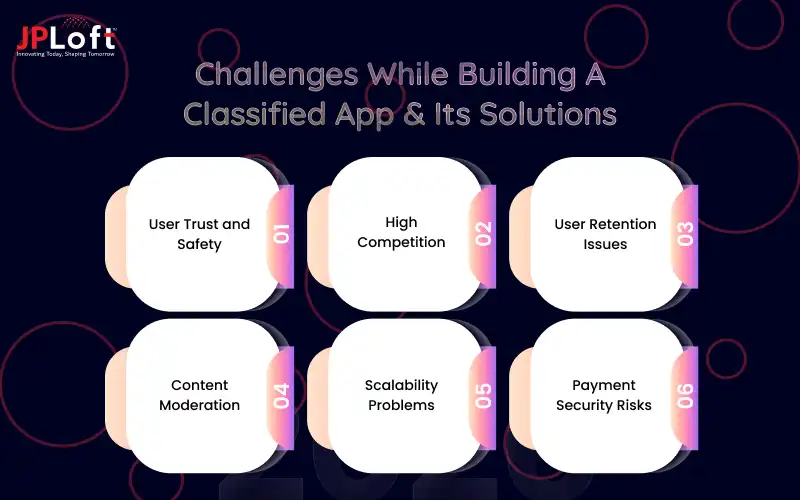
Here are the key app development challenges you might face while developing a classified app and how to solve them:
Challenge 1: User Trust and Safety
Users may hesitate to transact due to fake listings, scams, and a lack of trust between buyers and sellers on the platform.
Solution: Implement verification, ratings, reviews, and AI-based fraud detection systems to build user trust.
Challenge 2: High Competition
Established platforms dominate the market, making it difficult to attract users and gain visibility quickly after you develop a classified app.
Solution: Focus on niche markets, unique features, and strong local targeting strategies for differentiation.
Challenge 3: User Retention Issues
Users may not return frequently if listings are outdated or the platform lacks engagement features and personalized recommendations.
Solution: Use push notifications, personalized feeds, and regular updates to keep users engaged.
Challenge 4: Content Moderation
Managing a large volume of user-generated content can lead to spam, inappropriate listings, and poor platform quality over time.
Solution: Use automated moderation tools and manual review systems to ensure content quality.
Challenge 5: Scalability Problems
Rapid user growth can overload servers and slow performance, affecting user experience and leading to potential drop-offs from the platform.
Solution: Build a scalable architecture with cloud support to handle increasing traffic efficiently.
Challenge 6: Payment Security Risks
Integrating payment systems can expose users to fraud risks, data breaches, and failed transactions if not managed securely.
Solution: Use secure payment gateways with encryption and compliance standards to protect transactions.

How JPLoft Can Help You Develop a Classified App?
Building a successful classified app requires more than just development. It demands the right strategy, scalable technology, and a deep understanding of user behavior. This is where JPLoft stands out as your trusted development partner.
JPLoft, as a highly experienced classified app development company, focuses on creating classified apps that are fast, secure, and built for long-term growth. Our team works closely with you to understand your business goals and transform your idea into a high-performing digital platform.
From intuitive UI design to powerful backend development, every element is crafted to deliver a seamless user experience. We build apps with advanced features like real-time chat, AI-based recommendations, and secure payment integrations to help you stay ahead in a competitive market.
Our scalable solutions ensure your app performs smoothly as your user base grows. Whether you are launching a niche platform or a large-scale marketplace, JPLoft provides end-to-end support from planning to post-launch maintenance.
Partner with us to build a future-proof classified app that drives engagement, boosts revenue, and supports your long-term business vision.
Conclusion
Referring to this guide to classified app development is a smart move for businesses aiming to tap into the growing digital marketplace. With increasing user demand for quick and convenient buying and selling, these platforms offer strong opportunities for growth and revenue.
However, success depends on more than just launching an app. It requires careful planning, the right feature set, and a clear understanding of your target audience. From choosing the right type of classified app to managing development costs and overcoming challenges, every step plays a key role in shaping your platform’s success.
Focusing on user experience, security, and scalability will help you build a reliable and engaging product. By following a structured development approach and partnering with the right experts, you can create a classified app that stands out in a competitive market.
With the right strategy in place, your platform can achieve long-term success and consistent user growth.
FAQs
Start by defining your niche, target audience, and business model. Conduct market research, finalize features, design UI, choose a tech stack, develop frontend and backend, integrate APIs, test thoroughly, launch strategically, and maintain the app with updates, scaling, and continuous improvements.
The cost typically ranges from USD 8,000 to USD 100,000+, depending on complexity, features, and platform. Basic apps cost less, while advanced apps with AI, chat, payments, and scalable infrastructure require higher investment for development, testing, deployment, and long-term maintenance needs.
You can build general classified apps, job portals, real estate apps, vehicle marketplaces, service-based platforms, and niche apps targeting specific industries. Each type serves different user needs, allowing businesses to focus on broader audiences or specialized markets with tailored features and offerings.
Common challenges include building user trust, managing fake listings, handling high competition, ensuring data security, moderating content, and scaling infrastructure. Maintaining user engagement and delivering smooth performance across devices also requires consistent updates, monitoring, and strong backend architecture support.
Investing in 2026 is beneficial due to growing digital adoption, increased mobile usage, and demand for quick transactions. Classified apps offer scalable models, multiple revenue streams, and strong user retention, making them a profitable solution for businesses targeting local and global marketplaces.

Priyanka Sukhwal is the Managing Director and Business Head of JPLoft, a results-driven leader with 10+ years of experience steering technology ventures and business growth. Her strategic acumen and deep understanding of digital markets and on-demand solutions have consistently translated into innovations that help businesses scale, evolve, and lead in competitive landscapes.


Share this blog