


Key Takeaways:
AI-powered recommendations are improving content discovery and helping users find relevant entertainment faster.
Hyper-personalization is becoming essential for increasing engagement, retention, and overall user satisfaction.
Interactive content, live streaming, and creator-focused features are reshaping audience engagement strategies.
AR, VR, and immersive experiences are creating new opportunities for digital entertainment platforms.
Businesses should prioritize scalable monetization, data-driven decisions, and future-ready technology investments.
Partnering with JPLoft helps businesses build innovative entertainment apps aligned with evolving market demands and user expectations.
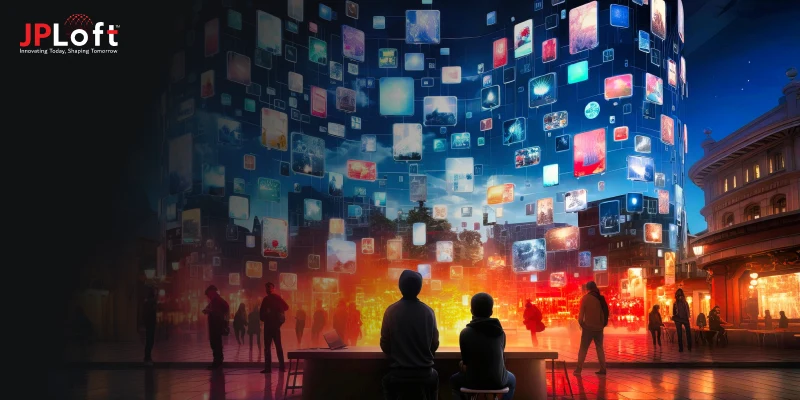
Entertainment is no longer limited to watching content on a screen. Today, users expect personalized recommendations, interactive experiences, and content that fits their interests. As a result, media and entertainment app trends are changing how businesses attract and retain audiences.
The shift is happening at a massive scale. According to PwC, the global entertainment and media industry is expected to generate revenue of around $3.5 trillion by 2029. This growth is being driven by digital platforms, AI-powered experiences, streaming services, and evolving consumer habits.
For businesses, keeping pace with these changes is no longer optional. Understanding the latest media and entertainment industry trends can help companies build engaging platforms, increase revenue, and stay competitive in a fast-moving market. In this blog, we explore the key trends shaping the industry in 2026.
Market Overview of Media and Entertainment Apps
Media and entertainment apps have become a major part of everyday digital life. Users now spend more time streaming videos, listening to music, watching live content, and engaging with creators through mobile platforms. This shift continues to create new opportunities for businesses exploring innovative entertainment app ideas and digital content models.
Several trends in media and entertainment are driving this growth. AI-powered recommendations, creator-led content, and subscription-based platforms are changing how audiences discover and consume entertainment.
Key Market Insights:
Deloitte's 2026 Media & Entertainment Outlook highlights growing audience preference for creator-led and social video content, especially among younger consumers.
Deloitte predicts global podcast and vodcast advertising revenue will reach $5 billion in 2026, growing nearly 20% year over year.
The 2026 outlook also identifies AI-powered personalization and content discovery as key investment areas for entertainment platforms seeking higher engagement and retention.
These numbers clearly reflect the current trends in media and entertainment sector, where personalization and digital engagement drive growth. As user expectations continue to rise, even the top entertainment apps are investing heavily in new technologies to deliver more engaging and interactive experiences.
Why Media and Entertainment App Trends Matter for Businesses?
Media and entertainment apps continue to evolve with changing user expectations and technologies. Businesses that track these shifts can deliver better experiences, strengthen engagement, and unlock new revenue opportunities.
Below are the key reasons why staying updated with industry trends matters for long-term business growth.
A. Meet Changing User Expectations
Consumer preferences change quickly across digital entertainment platforms. Following entertainment app trends helps businesses understand what users want today.
Features such as personalized recommendations, creator content, and interactive experiences improve satisfaction. Companies that adapt faster can retain audiences longer and reduce the risk of user churn.
B. Build More Competitive Products
The market is crowded with apps competing for user attention. Understanding how to create an entertainment app that reflects current user behavior can create a strong advantage.
Businesses that adopt emerging technologies and fresh content formats can differentiate their platforms while delivering experiences that feel modern and relevant.
C. Make Smarter Product Investments
Technology investments should align with actual market demand. Tracking media app development trends helps businesses focus resources on features users actively value.
This reduces unnecessary spending and improves product planning. It also enables companies to identify opportunities before competitors enter the same space.
D. Improve Engagement and Monetization
Modern users expect seamless experiences across devices and content formats. Investing in the right entertainment app features can increase watch time, content consumption, and user loyalty.
Better engagement often leads to stronger monetization through subscriptions, advertising, premium content, and in-app purchases.
E. Prepare for Future Industry Growth
The future of entertainment apps will be shaped by AI, immersive experiences, and deeper personalization. Businesses that prepare early can respond to market changes with confidence.
Staying aligned with emerging trends helps organizations remain competitive while building platforms designed for long-term growth and scalability.
Top Media and Entertainment App Trends in 2026
Media and entertainment apps are evolving beyond traditional content consumption. AI, immersive technologies, creator-driven platforms, and personalized experiences are reshaping audience expectations across digital platforms.
Below are the top media and entertainment trends expected to influence user engagement, platform growth, and business strategies throughout 2026.
1. AI-Powered Content Recommendations
Finding relevant content quickly remains a challenge for many users. AI-powered recommendation engines analyze viewing habits, interests, and engagement patterns to deliver more accurate suggestions.
Among the leading media and entertainment app trends, this approach improves content discovery and reduces browsing time. Businesses also benefit from increased content consumption and stronger retention rates.
Many organizations collaborate with an AI app development company to build smarter recommendation systems that continuously improve user experiences.
2. Generative AI for Content Creation
Generative AI is transforming how entertainment content is produced and distributed. Among the latest trends in entertainment apps, it helps create subtitles, trailers, voiceovers, summaries, and promotional assets more efficiently.
This reduces production effort while accelerating content delivery. AI also supports localization, helping platforms reach wider audiences across different regions.
As content demand continues to grow, generative AI is becoming an important tool for improving scalability and operational efficiency.
3. Hyper-Personalized Entertainment Experiences
Personalization now extends beyond content recommendations. Entertainment apps are tailoring home screens, notifications, offers, and user journeys based on individual preferences.
Many businesses view this as one of the most impactful entertainment app trends because it creates stronger user connections. Personalized experiences improve satisfaction and encourage repeat visits.
As audience expectations continue evolving, companies are investing in advanced personalization strategies that make digital entertainment more relevant and engaging.
4. Rise of Interactive and Shoppable Content
Users increasingly want to participate while consuming content. Interactive videos, live polls, in-content purchases, and audience voting features are becoming more common.
Reflecting broader trends in media and entertainment, these experiences transform passive viewers into active participants. Interactive content creates additional revenue opportunities while improving engagement.
Businesses also gain valuable audience insights that help optimize future content strategies and deliver more relevant entertainment experiences.
5. Expansion of Live Streaming Ecosystems
Live streaming continues to evolve beyond basic broadcasting. Modern platforms now offer audience chats, virtual gifting, creator interactions, and real-time participation features.
Demand for these experiences has increased investments in video streaming app development solutions. Businesses use live content for events, launches, sports coverage, and creator engagement.
Real-time interaction helps build stronger audience relationships while creating a sense of exclusivity that keeps users returning to platforms.
6. Immersive AR and VR Experiences
Immersive technologies are changing how users experience digital entertainment. Virtual events, interactive storytelling, and digital worlds offer deeper engagement opportunities.
As part of the future of entertainment apps, AR and VR continue gaining momentum across multiple entertainment segments. Businesses increasingly work with an AR VR app development company to create immersive experiences that attract modern audiences.
These technologies help platforms stand out while delivering more memorable and engaging entertainment journeys.
7. Creator Economy and Monetization Tools
Creators have become major drivers of digital entertainment growth. Platforms are introducing subscriptions, memberships, tipping systems, and revenue-sharing models to support creator success.
This shift continues influencing several media and entertainment industry trends across digital platforms. Strong creator ecosystems help attract loyal audiences while encouraging consistent content production.
Businesses that empower creators often benefit from stronger communities, higher engagement levels, and sustainable long-term platform growth.
8. Growth of Short-Form Video Platforms
Short-form videos continue dominating digital entertainment consumption. Users prefer quick, engaging content that delivers value within seconds.
This behavior has made short-form content one of the most important entertainment app development trends in 2026. Businesses are investing in mobile-first experiences, creator tools, and smarter discovery algorithms.
These efforts help increase content reach, improve engagement rates, and encourage users to spend more time interacting with entertainment platforms.
9. Social Entertainment Communities
Entertainment is becoming increasingly community-driven. Users want to discuss content, join fan groups, participate in watch parties, and interact with creators.
This trend aligns closely with evolving media app development trends that focus on strengthening user relationships. Social features encourage conversations and shared experiences that extend beyond content consumption.
Strong communities improve engagement, increase platform loyalty, and give users more reasons to return regularly.
10. Ad-Free and Flexible Viewing Experiences
Modern audiences expect greater control over how they consume content. Many users are willing to pay for ad-free experiences, while others prefer lower-cost ad-supported plans.
Entertainment platforms are responding with flexible viewing options that cater to different preferences. Offering choice helps businesses attract wider audiences while improving customer satisfaction.
Flexible consumption models also support stronger retention and create new monetization opportunities across entertainment ecosystems.
11. Omnichannel Entertainment Experiences
Users frequently switch between smartphones, tablets, smart TVs, laptops, and connected devices. Entertainment platforms must deliver seamless experiences across every touchpoint.
Omnichannel strategies ensure content, preferences, and progress remain synchronized across devices. This approach reflects broader mobile app development trends in USA focused on cross-platform accessibility and user convenience.
Businesses that support seamless transitions can strengthen engagement and improve long-term customer loyalty.
12. 4K and Premium Content Streaming
Audience expectations for content quality continue to rise. Consumers increasingly expect 4K streaming, improved audio quality, and premium viewing experiences.
Businesses are investing in advanced delivery technologies to support these demands while maintaining performance. High-quality content experiences enhance user satisfaction and help platforms remain competitive.
As streaming services compete for audience attention, superior viewing quality is becoming a key factor influencing platform selection and retention.
13. Evolution of OTT Platforms
OTT platforms continue expanding beyond traditional subscription models. Many services now offer ad-supported tiers, bundled packages, and premium memberships.
Businesses are investing in OTT app development to support these changing consumption patterns. This shift continues shaping several media and entertainment app trends as companies focus on retention, affordability, and customer value.
Successful OTT platforms balance monetization strategies with high-quality content experiences that meet evolving audience expectations.
14. Privacy-First Entertainment Platforms
Data privacy is becoming increasingly important for digital entertainment users. Consumers want greater transparency regarding how their information is collected and used.
Platforms are responding by strengthening privacy controls, improving security practices, and offering more user control over personal data. Trust has become a major competitive advantage in digital entertainment.
Businesses that prioritize privacy can build stronger customer relationships while supporting long-term engagement and platform credibility.
How These Trends Improve User Engagement and Revenue?
Modern entertainment platforms must do more than attract users. They must keep audiences engaged while creating sustainable revenue opportunities. The trends discussed above help businesses improve content consumption, user participation, platform performance, and monetization.
Below are the key ways these trends contribute to stronger engagement and business growth.
► Increase Content Consumption
Modern entertainment platforms help users find relevant content more quickly. AI recommendations, short-form videos, and interactive experiences reduce browsing time.
Users spend less time searching and more time watching. Many media and entertainment app trends focus on improving content discovery. Higher consumption often leads to stronger engagement metrics and better platform performance.
► Create New Revenue Opportunities
Entertainment businesses are no longer limited to subscriptions alone. They can generate revenue through advertising, premium content, live events, and creator partnerships.
Understanding the relationship between innovation and entertainment app development cost helps companies invest wisely. This approach supports long-term profitability while reducing unnecessary spending on low-impact features.
► Encourage Active User Participation
Interactive experiences make entertainment more engaging and memorable. Features such as audience voting, virtual gifting, live polls, and creator interactions encourage participation.
Instead of passively consuming content, users become involved in the experience. Higher participation levels often result in stronger engagement, better retention, and increased opportunities for audience growth.
► Improve Platform Performance and User Experience
A reliable platform plays a major role in user satisfaction. Slow loading times, technical issues, and outdated features can quickly reduce engagement.
Investing in professional app maintenance services helps businesses improve stability and performance. Regular updates also ensure platforms continue meeting changing user expectations and industry standards.
► Convert Engagement Into Revenue
Users who engage more frequently often generate greater business value. They are more likely to subscribe, purchase premium content, or interact with advertisements.
Many successful entertainment app trends are designed to increase engagement levels first. Strong engagement naturally creates more monetization opportunities while supporting sustainable revenue growth over time.
Which Trends Businesses Should Prioritize?
Not every trend delivers the same business value. Companies should focus on trends that align with their audience's needs, growth goals, and long-term product strategy.
Below are the media and entertainment trends businesses should prioritize first to maximize impact and investment returns.
[1] AI-Powered Decision Making
Businesses collecting large amounts of user data should prioritize AI-driven insights. These tools help identify viewing patterns, content preferences, and audience behavior trends.
Companies asking what are the current trends in media and entertainment sectors often discover that data-driven decision making plays a major role in the industry. It helps improve content strategies and supports more effective business planning.
[2] Scalable Monetization Models
Revenue strategies should evolve alongside changing user expectations. Flexible subscriptions, ad-supported plans, and creator monetization tools offer sustainable growth opportunities.
Businesses that hire app developers with experience in modern entertainment platforms can build scalable monetization systems. These systems support future expansion without disrupting the user experience.
[3] Immersive and Interactive Experiences
Interactive content and immersive technologies continue to attract user attention across entertainment platforms. Features that encourage participation often create stronger audience connections.
Businesses wondering what are the latest entertainment app trends often find that interactive experiences remain a practical investment. They improve engagement while helping brands stand out in competitive markets.
[4] Future-Ready Technology Infrastructure
Long-term success depends on building platforms that can adapt to market changes. Businesses often partner with a mobile app development company in Texas to create scalable foundations for their platforms.
These foundations support future feature additions, performance improvements, evolving entertainment experiences, and changing consumer demands.
How JPLoft Helps Businesses Build Future-Ready Entertainment Apps?
Building a successful entertainment app requires more than following industry trends. Businesses need the right strategy, technology, and development expertise to create experiences users genuinely enjoy.
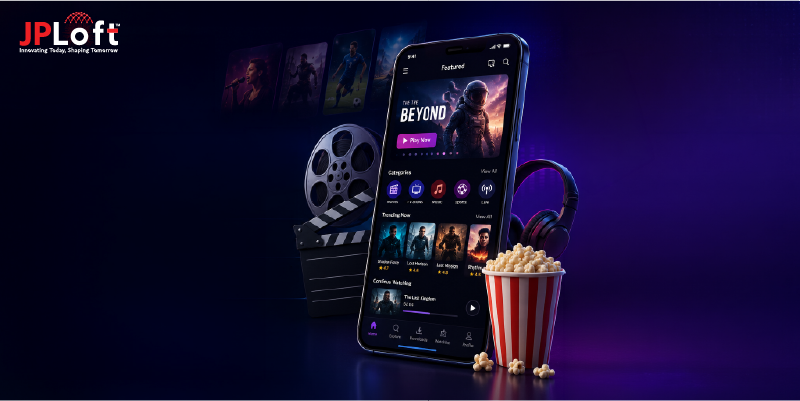
JPLoft offers end-to-end media entertainment app development services tailored to modern business requirements. Our team helps companies build scalable platforms powered by AI, personalization, streaming capabilities, and immersive technologies.
From concept validation and UI/UX design to development and ongoing support, we focus on creating solutions that align with evolving market demands.
Whether you are launching a new platform or upgrading an existing product, JPLoft helps transform ideas into future-ready entertainment apps. These solutions are designed for growth, engagement, and long-term success.
Conclusion
The entertainment industry continues to evolve as technology reshapes how audiences discover and consume content. Businesses that adapt quickly can create stronger user experiences and unlock new growth opportunities.
From AI-powered personalization to immersive experiences, the latest entertainment app trends are influencing how modern platforms attract and retain users.
Success in 2026 will depend on understanding changing consumer expectations and investing in the right innovations.
Companies that focus on engagement, scalability, and long-term value will be better positioned to compete in a rapidly changing market.
By staying aligned with emerging media and entertainment app trends, businesses can build future-ready platforms. This approach helps drive sustainable growth, strengthen user loyalty, and create lasting competitive advantages.
FAQs
Artificial intelligence, augmented reality, virtual reality, and advanced personalization technologies are shaping entertainment apps in 2026. These innovations help businesses deliver more engaging experiences, improve content discovery, and create stronger connections with users across different digital platforms.
Personalization helps users find relevant content faster and improves their overall experience. When platforms understand user preferences, they can deliver tailored recommendations and interactions. This often increases engagement, boosts retention, and encourages users to spend more time within the app.
Creators are changing how audiences consume and engage with content. Many users now follow individual creators rather than traditional media brands. This shift encourages platforms to offer creator-focused tools, monetization options, and community features that support audience growth and engagement.
AI-powered personalization remains one of the strongest opportunities for businesses. It helps improve content discovery, user satisfaction, and engagement. Combined with creator-driven content and interactive experiences, personalization can support sustainable growth and stronger revenue generation over time.
Businesses should monitor user behavior, invest in scalable technologies, and focus on delivering engaging experiences. Building flexible platforms makes it easier to adopt new innovations as they emerge. A proactive approach helps companies remain competitive in a rapidly evolving entertainment market.

Kris Jacobs brings 20+ years of experience solving complex digital product challenges through strategic thinking and user-centric design. With deep exposure to on-demand services, entertainment, travel, and interactive platforms, she collaborates across teams to shape scalable, engaging solutions that align business goals with intuitive user experiences across evolving digital landscapes.


Share this blog