


Key Takeaways
OTT businesses require strong planning, scalable infrastructure, and a clear strategy to succeed in competitive streaming markets.
Content quality, user experience, and personalization play a crucial role in increasing engagement and long-term user retention.
Monetization models like subscriptions, ads, and hybrid approaches help create flexible and sustainable revenue streams effectively.
Challenges like content licensing, security, and competition must be addressed early to avoid costly mistakes later.
Emerging technologies like AI, cloud, and 5G are shaping the future of OTT platforms and user experiences.
Partnering with JPLoft helps businesses build scalable streaming platforms with strong performance, user-focused design, and reliable development support.
Streaming has changed how people watch content today. More users now prefer online platforms over traditional TV. In fact, the global OTT market is expected to reach $626.69 billion by 2031. This trend showcases a strong demand for digital streaming platforms.
Furthermore, this growth creates a huge opportunity for new businesses. Many entrepreneurs now want to know how to start an OTT business and enter this fast-growing market.
They can start by choosing a niche, defining their audience, and planning their content strategy. Then, select a monetization model and build a scalable platform with essential features.
However, starting without the right plan can lead to costly mistakes. From content strategy to platform setup, every step matters. You need a clear approach to succeed in this competitive space.
The good part is that building a streaming business is now more accessible than before. With the right guidance, you can move forward with OTT platform development and turn your idea into reality. This guide will help you take the first step with confidence.
What is an OTT Business?
An OTT business delivers video content directly to users through the internet. It removes the need for cable or satellite services. Users can watch content anytime on their preferred device. This makes it a flexible and user-friendly model.
An OTT platform can offer movies, shows, live streaming, or niche content. It provides easy access across devices like mobile, web, and smart TVs. This improves convenience and expands reach for both users and businesses.
The foundation of this system is the OTT business model, which focuses on content delivery, user experience, and revenue generation. Businesses earn through subscriptions, ads, or pay-per-view models based on their strategy.
In simple terms, an OTT business connects content with users through the internet while generating revenue through structured monetization methods.
Why Start an OTT Business: Key Benefits for Startups and Entrepreneurs
The demand for online streaming continues to grow across global markets. Businesses now see OTT as a strong opportunity for long-term growth and user engagement.
Here are the key benefits of starting an OTT business:
1. Growing Market Demand
The OTT industry continues to expand due to changing user habits. Millions of users are actively shifting from cable to streaming platforms for greater flexibility and personalized content access. This shift makes it a strong reason for entrepreneurs exploring, why start an OTT business today globally.
2. Multiple Revenue Opportunities
An OTT platform allows businesses to earn through subscriptions, ads, and pay-per-view models. Platforms like Netflix and YouTube use mixed strategies successfully. This flexibility makes the OTT business model suitable for startups targeting different audience segments globally today.
3. Global Audience Reach
OTT platforms are not limited by geography like traditional media. A platform can reach users across countries without physical presence. This helps businesses scale faster and expand globally when they decide to start an OTT business in competitive markets.
4. Content Control and Flexibility
Businesses have full control over the type of content they publish. They can create niche platforms for fitness, education, or entertainment. This flexibility allows brands to serve their target audience with relevant and engaging content effectively.
5. Data-Driven Decision Making
OTT platforms collect user data such as watch time and preferences. This helps businesses improve content strategy and user experience. Companies use this data to increase engagement, retention, and long-term user value in a competitive streaming market.
6. Lower Entry Barriers Than Traditional Media
Starting a streaming platform requires less investment compared to launching a TV network. Cloud services and modern tools reduce infrastructure costs. This makes an OTT business plan for startups suitable, whether by building software or an app for video streaming and entering the market efficiently today.
If you are planning to create an OTT business, these benefits will help you fortify your decision to enter this market. Now, move ahead to understand the step-by-step process of starting your OTT business.
How to Start an OTT Business Step by Step?
If you are exploring how to start an OTT platform, you need clear planning, the right strategy, and consistent execution. Leading industry players show that success depends on strong content, a defined audience, and a scalable platform.
Here are the key steps to create an OTT platform:
Step 1: Define Your Niche and Target Audience
Start by identifying a clear niche and audience segment. Avoid targeting everyone, as it weakens your positioning. Focus on categories like fitness, education, or regional entertainment.
Study competitors and analyze what they offer. Look for gaps in content or user experience. This helps you build a platform that stands out. For example, platforms like MasterClass focus on premium learning content.
A well-defined niche improves user engagement and reduces marketing costs. It also makes your platform more relevant for a specific audience.
Step 2: Create a Clear OTT Business Plan
A strong plan gives direction and reduces risks during execution. Therefore, define your goals, target users, content types, and revenue streams. Don’t forget to include budget planning and growth strategy as well.
A clear OTT business plan for startups aligns their business vision with market demand and many successful startups begin with this. This step helps you stay focused and avoid unnecessary expenses.
It also prepares you for future scaling and investment opportunities. Without a proper plan, businesses often struggle to sustain long-term growth.
Step 3: Choose the Right Monetization Model
Selecting the right revenue model is critical for success. Common options include subscription, advertisement, and pay-per-view.
Subscription works well for premium content platforms like Netflix. Ads are effective for platforms targeting a large audience, like YouTube. Choose a model based on your audience and content type.
When learning how to start OTT business, this decision directly impacts revenue and growth. You can also combine multiple models to diversify income streams. The right strategy ensures consistent, scalable earnings over time.
Step 4: Plan Content Strategy and Licensing
Content is the backbone of any OTT platform. Therefore, decide whether you will create original content or license existing content.
Licensing helps attract users quickly, especially in the early stages. On the other hand, original content builds brand identity and long-term value. Many platforms use a mix of both strategies.
You should also plan content updates regularly to keep users engaged. Without strong content, even the best platform will struggle. A clear content roadmap ensures steady growth and better user retention over time.
Step 5: Choose the Right Technology and Development Approach
Selecting the right technology is important for performance and scalability. Decide whether to build your platform from scratch or use ready-made solutions.
A reliable software development company can guide you in choosing the right tech stack. Your platform should support web, mobile, and smart TVs. It should also handle high traffic without performance issues.
Hence, choosing the right approach early helps avoid costly changes later. It also ensures your platform can grow smoothly as your user base increases.
Step 6: Focus on User Experience and Platform Design
User experience plays a major role in retaining viewers. Therefore, your platform should be simple, fast, and easy to navigate.
Features like search, recommendations, and smooth playback improve engagement. On the other hand, a cluttered interface often leads to higher drop rates.
Platforms like Netflix succeed because of their clean design and personalized suggestions. If you are exploring how to design a video streaming app, focusing on simplicity and usability is essential for better engagement.
Good design keeps users engaged and increases watch time. It also improves customer satisfaction and retention. Therefore, investing in user experience directly impacts long-term business success.
Step 7: Develop, Test, and Optimize Your Platform
Start to build an OTT app or software with essential features first. Avoid adding too many features in the beginning.
Focus on performance, security, and streaming quality. If you are exploring OTT platform development, testing becomes even more important.
So, test your platform across devices and network conditions. Following a proper video streaming app testing approach helps identify performance issues early and improves overall platform stability. Fix bugs and improve performance before launch.
Regular testing ensures a smooth user experience. It also helps you identify issues early. A stable platform builds trust and encourages users to return.
Step 8: Launch, Market, and Scale Your OTT Platform
Once your platform is ready, plan a strong launch strategy. Use social media, influencer marketing, and partnerships to attract users.
You can also offer free trials or discounts to gain initial traction. Marketing plays a key role in user acquisition.
After launch, focus on user feedback and continuous improvement. This helps you launch and scale your OTT business effectively.
In addition, scaling requires regular content updates and performance improvements. A strong marketing and growth strategy ensures long-term success in competitive OTT markets.
All in all, these are the key steps to create an OTT platform, and following them ensures a successful launch. Now, it’s time to explore the essential mobile app features needed for your OTT platform.
Essential OTT Platform Features Every Business Must Include
A successful OTT platform depends on features that improve user experience and retention. The right set of features helps businesses deliver content smoothly and keep users engaged.
Below is a practical OTT platform features list every business should consider. These features also align with modern video streaming app features used by leading platforms.
1. User Registration and Profiles
Easy sign-up and personalized profiles help users save preferences and continue watching content, improving engagement and retention.
2. Advanced Search and Discovery
Smart search, filters, and recommendations help users find content quickly, reducing drop-offs and increasing watch time across categories.
3. High-Quality Video Streaming
Support for HD and adaptive streaming ensures smooth playback and reduces buffering issues, even with unstable internet connections.
4. Multi-Device Compatibility
Users should access content across mobile, web, and smart TVs, improving accessibility and expanding audience reach effectively.
5. Secure Payment Integration
Multiple payment options and secure gateways ensure safe transactions and support flexible monetization strategies.
6. Content Management System (CMS)
A CMS helps manage, update, and schedule content easily, ensuring consistency and scalability across the platform.
7. Analytics and User Insights
Analytics track user behavior and preferences, helping businesses improve content strategy and increase engagement.
8. Push Notifications and User Engagement Tools
Notifications inform users about new content and updates, encouraging them to return and stay active on the platform.
9. Scalability and Cloud Support
Cloud infrastructure handles traffic spikes and ensures smooth streaming as your user base grows.
10. Security and Content Protection
DRM and encryption protect content from piracy, ensuring secure access and safeguarding business revenue.
Out of these, choosing the right features sets the foundation for long-term success. And you can hire dedicated developers to implement them efficiently and scale your platform smoothly.
Cost to Start an OTT Business in 2026
Starting an OTT business involves more than just platform development. It includes content, licensing, infrastructure, and marketing costs. The total investment usually ranges between $25,000 and $500,000+, depending on scale and business goals.
Business Cost Breakdown
|
Component |
Estimated Cost (USD) |
|
Platform Development (Software + App) |
$15,000 – $200,000+ |
|
Content Licensing / Production |
$10,000 – $200,000+ |
|
Domain, Hosting & Cloud Infrastructure |
$2,000 – $25,000 |
|
Video Streaming & CDN |
$5,000 – $50,000 |
|
Legal & Compliance |
$2,000 – $20,000 |
|
Marketing & User Acquisition |
$5,000 – $100,000+ |
|
Maintenance & Updates |
$3,000 – $30,000/year |
Content and platform development usually take the largest share of the budget due to quality and scalability requirements.
Cost Based on Business Scale
|
Type |
Focus |
Cost Range |
|
Basic OTT Startup |
Niche audience |
$25,000 – $50,000 |
|
Growing Platform |
Content + marketing |
$50,000 – $150,000 |
|
Advanced OTT Business |
Multi-device + premium content |
$150,000 – $300,000 |
|
Enterprise OTT |
Global expansion |
$300,000 – $500,000+ |
Marketing and content investment increase as you scale your audience and expand globally.
The cost to start an OTT platform rises with advanced features, premium content, and global delivery needs.
However, working with a reliable mobile app development company helps optimize costs and avoid unnecessary expenses.
Top Challenges in Starting an OTT Business (and How to Overcome Them)
Starting an OTT business comes with practical challenges that can impact growth and user experience. Understanding these issues early helps businesses plan better and avoid costly mistakes.
Here are the key challenges in starting an OTT business along with their solutions:
Challenge 1: Content Acquisition and Licensing
Acquiring quality content is expensive and competitive. Popular content demands high licensing fees. New platforms struggle to secure rights, making it difficult to attract users and compete with established OTT players.
Solution: Focus on niche or regional content and partner with independent creators to reduce costs. Also, ensure proper video streaming app compliance to avoid legal risks.
Challenge 2: High Development and Infrastructure Costs
Building a scalable platform requires investment in development and infrastructure. Costs increase with features, security, and performance needs. This becomes challenging for startups planning to start an OTT business with limited budgets.
Solution: Start with an MVP approach and focus only on essential features. Use cloud services to reduce costs and scale your platform gradually.
Challenge 3: User Retention and Engagement
Attracting users is easier than retaining them. Users often switch platforms if content is limited or experience is poor. High churn rates directly impact growth and revenue in competitive OTT markets today.
Solution: Offer personalized recommendations and update content regularly. Use analytics to understand user behavior and improve engagement, retention, and overall viewing experience consistently.
Challenge 4: Content Piracy and Security Risks
Piracy is a major concern for OTT platforms. Unauthorized access and content leaks reduce revenue. Weak security systems make platforms vulnerable, affecting trust and long-term sustainability in competitive digital streaming environments.
Solution: Implement DRM, encryption, and strong video streaming app security practices. These measures protect content, prevent unauthorized access, and help maintain user trust effectively.
Challenge 5: Market Competition and Differentiation
The OTT market is highly competitive with players like Netflix and Amazon Prime. New platforms struggle to stand out. Without a clear strategy, businesses fail to attract and retain a loyal user base.
Solution: Target niche audiences and offer unique content experiences. Build a strong brand identity and focus on value to attract and retain loyal users.
How OTT Platforms Make Money: Business Models Explained
OTT platforms generate revenue through different monetization strategies based on their content and audience. Choosing the right business model helps businesses build sustainable income and long-term growth.
Here are the most common ways to explain how OTT platforms make money effectively:
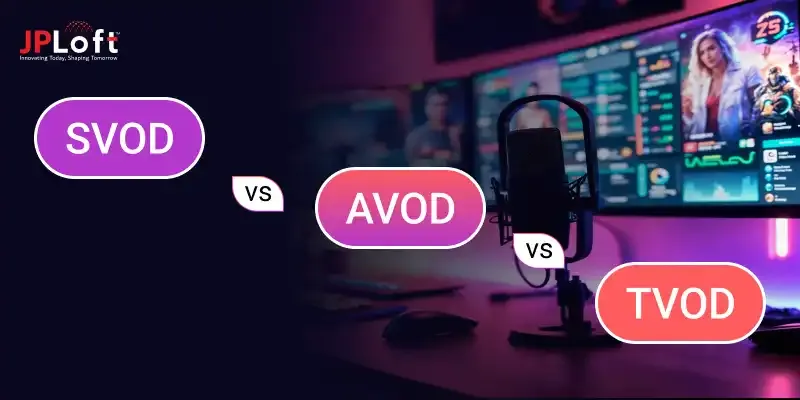
► Subscription Video-on-Demand (SVOD)
SVOD allows users to pay a recurring fee to access unlimited content. This model provides predictable revenue and works best for platforms offering exclusive shows, movies, and original content consistently.
► Advertising Video-on-Demand (AVOD)
AVOD offers free content while generating revenue through advertisements. Ads are shown before or during videos. This model helps attract large audiences and generates income through ad impressions and engagement.
► Transactional Video-on-Demand (TVOD)
TVOD enables users to pay for individual content such as movies or live events. It works well for platforms offering premium or newly released content, where users prefer pay-per-view access.
► Premium Video-on-Demand (PVOD)
PVOD allows users to access newly released or premium content at a higher price. It is commonly used for early movie releases. This model helps platforms generate higher revenue per user from exclusive content.
► Hybrid Monetization Model
Hybrid models combine SVOD, AVOD, TVOD, and PVOD to maximize revenue. This approach allows platforms to serve both free and paid users, increasing flexibility and overall earning potential effectively.
Future Trends in the OTT Industry You Should Know
The OTT industry continues to evolve with new technologies shaping user experience and content delivery. Businesses that adapt to these trends can stay competitive and improve long-term growth.
Here are the key technologies shaping the future of OTT platforms:
1. Artificial Intelligence (AI) and Personalization
AI helps OTT platforms deliver personalized content recommendations based on user behavior. For example, Netflix uses AI to suggest shows, increasing engagement. This shows how AI in video streaming apps improves retention and helps platforms understand audience preferences through data-driven insights effectively.
2. AR and VR-Based Streaming Experiences
AR and VR technologies are creating immersive viewing experiences. Platforms are experimenting with virtual concerts and 360-degree content. This shift highlights the growing role of AR/VR in video streaming apps, making content more interactive and engaging for users globally.
3. Cloud-Based Streaming Infrastructure
Cloud technology helps OTT platforms scale efficiently without heavy infrastructure costs. It supports faster content delivery and better performance. Platforms using cloud services can handle traffic spikes easily, ensuring smooth streaming even during high-demand events or releases.
4. Blockchain for Content Security and Payments
Blockchain improves transparency and security in OTT platforms. It helps manage digital rights and prevents content piracy. Partnering with a reliable blockchain development company can also help implement secure payment systems and ensure fair revenue distribution for content creators.
5. 5G Technology and Faster Streaming
5G networks improve streaming quality with faster internet speeds and lower latency. This allows users to watch high-quality videos without buffering. It also supports advanced features like live streaming and real-time interactions across OTT platforms globally.
6. Smart Content Delivery with Edge Computing
Edge computing brings content closer to users, reducing latency and buffering. This improves streaming performance, especially in remote areas. OTT platforms using this technology can deliver faster and more reliable content experiences across different regions.

How JPLoft Can Help You Launch and Scale Your OTT Business?
Building a successful OTT platform requires the right strategy, technology, and execution. JPLoft helps businesses turn their ideas into scalable streaming platforms with practical and result-driven solutions.
As a trusted video streaming app development company, JPLoft focuses on creating platforms that perform well under real user demand. The team works on user-friendly design, smooth streaming, and strong backend systems. This ensures better engagement and long-term platform stability.
JPLoft also helps you choose the right monetization strategy based on your audience and content type. This approach supports businesses planning to start an OTT business with clear revenue goals. From planning to deployment, we handle every stage with a focus on performance and growth.
With experience in OTT platform development, JPLoft ensures your platform is ready to scale as your audience grows.
Final Thoughts
Starting an OTT business requires clear planning, the right strategy, and consistent execution. From choosing your niche to selecting features and monetization models, every step plays an important role in long-term success.
Therefore, if you are wondering how to start an OTT business, focus on delivering real value to your audience. Strong content, smooth streaming, and a clear user experience help build trust and engagement over time.
Also, venturing into the OTT business means preparing for challenges like competition and user retention. Businesses that adapt quickly perform better in this fast-changing market. With the right approach, you can build a scalable and sustainable OTT business that grows steadily over time.
FAQs
Starting an OTT business usually takes 3-9 months. The timeline depends on features, platform complexity, and content readiness. A simple platform launches faster, while advanced multi-device platforms require more development, testing, and content preparation time.
Start by selecting a niche and understanding your target audience. Create a clear business plan and choose a monetization model. Then, develop your platform, add content, and focus on marketing to attract and retain users effectively.
Subscription and ad-based models work well for most startups. The choice depends on your audience and content type. Many platforms start with one model and later combine multiple strategies to increase revenue and improve flexibility.
The cost depends on platform features, content strategy, and scalability needs. A basic setup may start around $25,000, while advanced platforms can exceed $500,000. Starting small helps control costs and supports gradual business growth over time.
Success depends on content quality, user experience, and consistent updates. Platforms that understand user preferences perform better. Strong marketing and a clear growth strategy also help attract and retain users in a competitive OTT market.

Conor has more than 10 years of experience in software development, app creation, solution engineering, and UX/UI design. With an impressive track record of high retention and growth working with Fortune 500 companies, he brings the technical depth and strategic perspective needed to help businesses build impactful, user-focused digital solutions.


Share this blog